

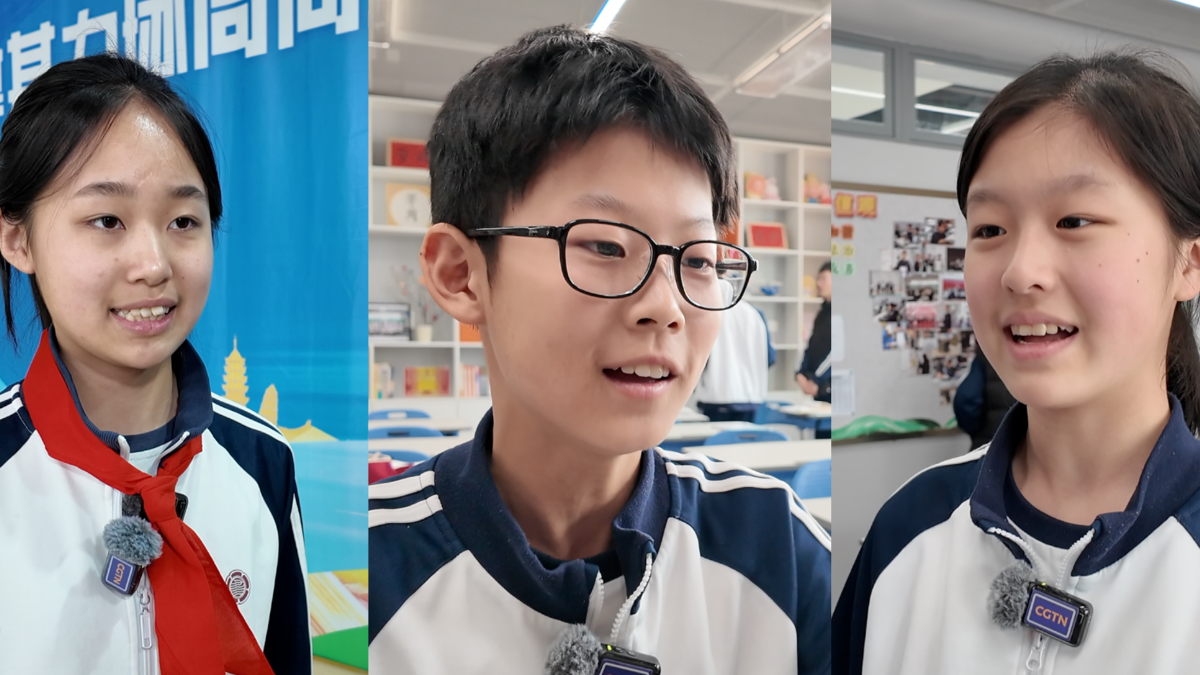
President Xi Jinping’s recent visit to a school in the Xiongan New Area in Hebei province, where he encouraged students to “thrive and grow” and called for the nurturing of children’s well being and all round development, reflects a broader strategic emphasis within China’s governance model on human capital formation as a pillar of national development. While the remarks appear pedagogical in tone, they carry significant legal, institutional and geopolitical implications, particularly when viewed within the framework of China’s long term socio economic planning and its approach to education governance.
The emphasis on holistic development aligns with China’s evolving education policy, which has increasingly moved beyond purely academic performance towards a more comprehensive model that includes physical health, psychological well being and moral education. This approach is embedded within national policy instruments and administrative guidelines that seek to reform the education system in response to concerns about student stress, inequality and the demands of a rapidly changing economy. The legal framework governing education in China, including the Education Law of the People’s Republic of China, establishes the state’s responsibility to ensure balanced development and equal access to educational resources, thereby providing a statutory basis for the priorities articulated during the visit.
Xiongan New Area itself holds particular significance as a flagship development project designed to alleviate pressures on Beijing while serving as a model for sustainable urban planning and innovation driven growth. The focus on education within this region underscores the recognition that infrastructure development must be complemented by investment in human capital. By situating educational reform within a broader urban and economic strategy, China signals its intention to integrate social development with long term national objectives.
From an international relations perspective, the emphasis on education reform carries implications for China’s global competitiveness. In an era defined by technological advancement and knowledge based economies, the cultivation of skilled and adaptable human resources has become a central determinant of national power. China’s focus on nurturing well rounded individuals reflects an understanding that future economic and technological leadership will depend not only on innovation but also on the capacity of its population to engage with complex global challenges.
The messaging delivered during the visit also reflects a governance style that seeks to combine political leadership with social guidance. By directly addressing students and emphasising personal growth, the leadership reinforces the role of education as both a developmental and ideological instrument. This dual function highlights the intersection between state policy and societal values, a characteristic feature of China’s approach to governance.
Ultimately, the visit to Xiongan New Area illustrates how education policy operates at the nexus of law, development and international strategy. The focus on holistic growth and well being is not merely an educational objective but a component of a broader vision aimed at sustaining economic progress and enhancing national resilience. As China continues to refine its education system, the outcomes of such initiatives will have far reaching implications for its domestic stability and its position within the global order.