

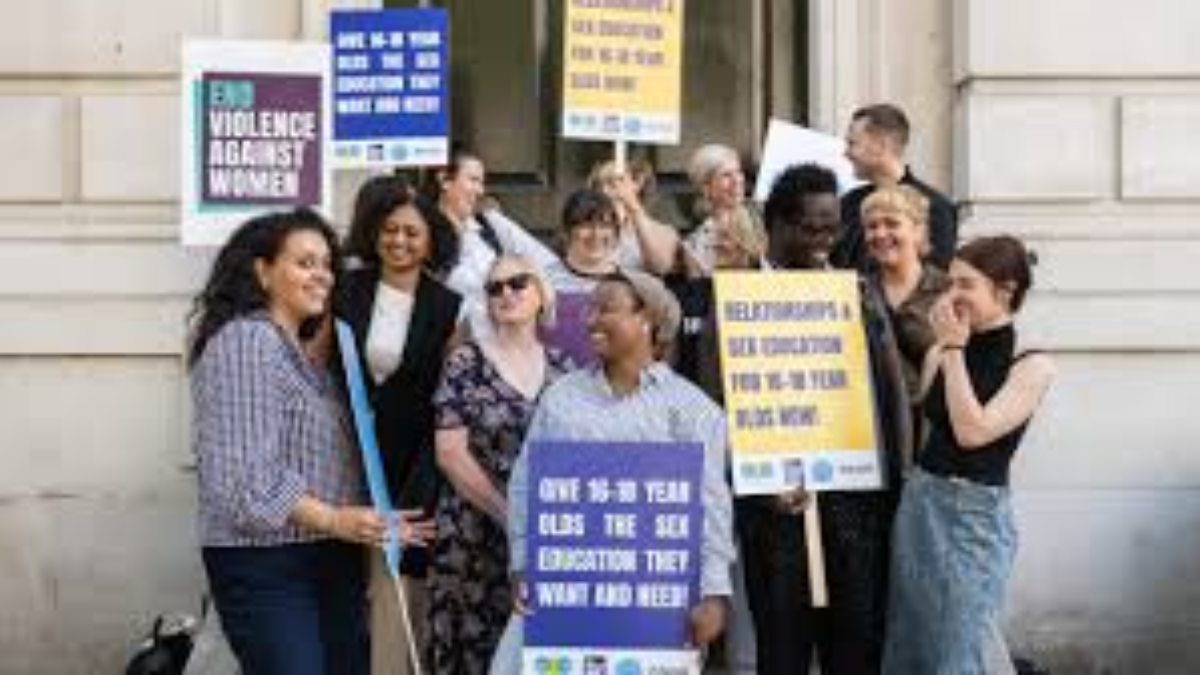
Women and girls around the world need concrete help from the UK, not just rhetorical support, as shrinking aid budgets, rising conflict‑related violence, and the rollback of reproductive rights leave them exposed and under‑resourced. International organisations and women ’s-rights coalitions warn that the UK is on course to deliver one of the worst levels of aid targeting women and girls in recent memory, even as the Foreign Secretary and other ministers repeatedly pledge to put “women and girls at the heart of everything” in foreign policy and development. At the UN Commission on the Status of Women in March 2026, the UK used high‑level speeches to reaffirm its ambition to treat violence against women and girls as a global emergency, yet independent watchdogs and NGOs stress that these words must be matched by stable, long‑term funding and political will if the UK is to avoid being seen as a gap‑spotter rather than a genuine leader on global‑gender‑justice.
From pledges to practical assistance
The UK’s new International Women and Girls Strategy sets out impressive goals, including prioritising girls’ education, protection, and empowerment, and committing to safeguarding sexual and reproductive health and rights, particularly in humanitarian crises. However, the Independent Commission for Aid Impact is currently assessing the effectiveness of UK aid to tackle violence against women and girls amid a changing aid landscape, and early signals suggest that austerity‑style budget cuts have already reduced the real-world impact of these commitments, especially in conflict‑affected regions such as Gaza, Sudan, Ukraine, and parts of West Africa. CARE International UK and other groups have published open letters urging the Foreign Office to ensure that at least 20 per cent of UK bilateral aid directly targets gender‑equality outcomes, arguing that without this minimum threshold, the UK’s feminist foreign policy narrative will look increasingly hollow.
Conflict, climate and the gender‑protection gap
In conflict zones, the UK’s security and aid posture directly shapes whether women and girls can access safety, healthcare, and justice, particularly in the context of conflict-related sexual violence and the displacement of millions of civilians. The Foreign Office has launched the “All In” initiative and reaffirmed its support for the Women, Peace and Security agenda, promising to galvanise political commitment and investment to end violence against women and girls. Yet coalition statements from NGOs emphasise that women and girls in Gaza, Sudan, and other theatres continue to suffer dire consequences without the UK stepping up targeted protection funding, legal support mechanisms, and participation mechanisms that allow them a meaningful role in the peace and negotiation processes that shape their futures.
Legal and political framing of the UK’s responsibility
From a human‑rights and international law perspective, the UK’s obligations extend beyond diplomatic statements: they are bound by the Convention on the Elimination of All Forms of Discrimination Against Women, the UN‑Women, Peace and Security resolutions, and its own domestic gender equality frameworks, all of which require the translation of high‑level commitments into measurable, funded programming. Advocacy coalitions argue that the UK must now use its UN Security Council presidency and other diplomatic levers to ensure that gender justice is treated as “fundamental, not optional” to international security, rather than a secondary rhetorical add-on. In that sense, the claim that women and girls “need help from the UK, not just words of encouragement” is not merely a slogan; it is a precise demand that the UK turns its feminist foreign policy rhetoric into predictable, accountable aid flows, legal support pathways, and protection mechanisms that can be monitored, challenged, and scaled in the very societies where the rollback of women’s rights is most acute.