

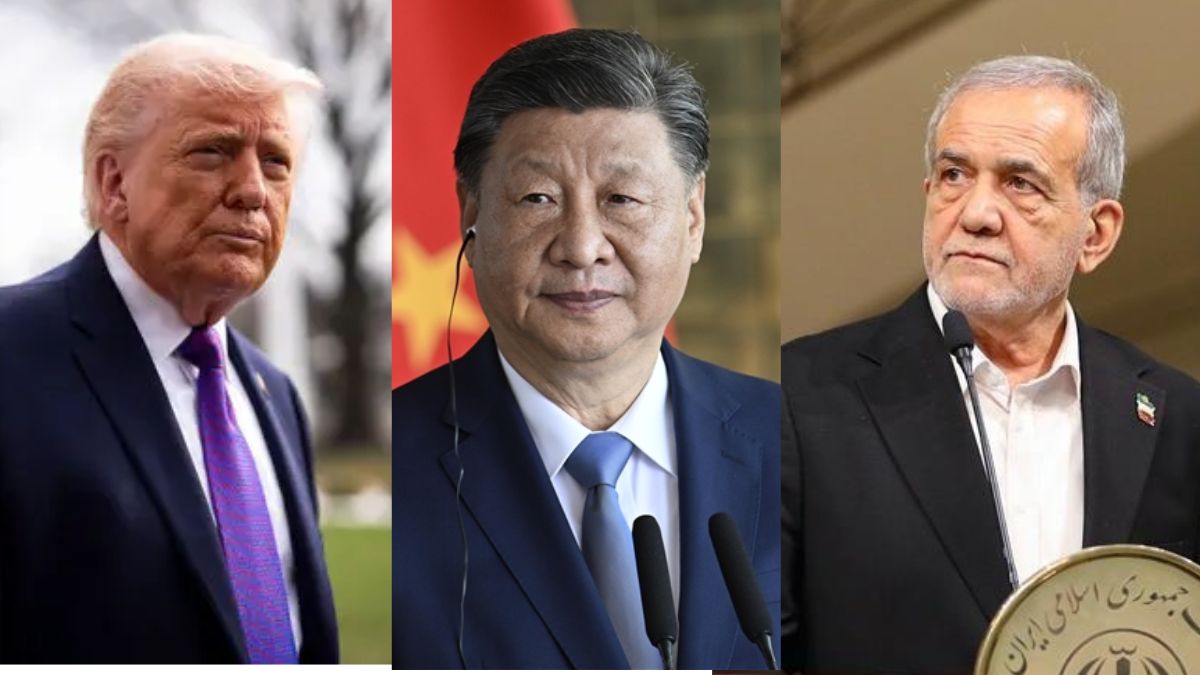
Trump’s conditional halt on Iran strikes dovetails with U.S. efforts to counter China’s dominance in discounted Iranian oil, potentially fragmenting trade into rival blocs and upending energy supply chains. China, Iran’s top buyer absorbing 1.5 million barrels daily at cut rates, faces U.S. leverage that could flood markets with Saudi and U.S. crude, stabilizing prices but accelerating decoupling. Global trade, already strained by Hormuz closures slashing 11% of maritime volume, now risks bifurcated flows: Western allies friendshoring to North America, while Beijing doubles down on Belt and Road alternatives.
Geopolitical leverage drives realignment
The pause signals Washington’s bargain: ease strikes for Iranian concessions, pressuring China to mediate or pay premiums elsewhere. With Qatar’s LNG halted (20% of global supply) and European gas up 80%, importers like India cut industrial gas to prioritize power grids, exposing manufacturing vulnerabilities. Practically, this means Chinese factories hum on cheap Iranian crude, depressing Brent to $60/barrel and hurting producers like Russia, while U.S. LNG exports to Asia surge 20%, locking in higher but reliable volumes.
Shipping adapts unevenly: Carriers bypass Hormuz via Cape routes, adding $1-2 million per voyage and emissions, but new Silk Road land bridges via Pakistan gain traction for China-EU goods, sidestepping sea risks. India’s trade calculus shifts—Gulf oil at risk prompts 15% more U.S. deals, boosting bilateral flows but inflating import bills amid rupee pressures.
Long-term trade fragmentation looms
Realistic outcomes hinge on the five-day window: success yields stabilized routes, cutting insurance and restoring 30 million TEUs in regional ports. Failure? China pivots to Venezuelan or African sources, entrenching yuan-denominated energy trades that erode dollar dominance. For global commerce, this means pricier, slower supply chains: automotive sectors (e.g., EU-India parts) face 2-3 week delays, eroding just-in-time models and inflating costs 10-15%.
Governments respond with policy: EU accelerates Nord Stream alternatives; India eyes strategic stockpiles for 90-day coverage. Yet, the Iran pause underscores trade’s fragility—geopolitics now dictates flows, with U.S.-China maneuvering potentially costing $500 billion in rerouted trade annually if blocs harden. Exporters must hedge via multi-sourcing, as one blockade reverses optimism overnight.