

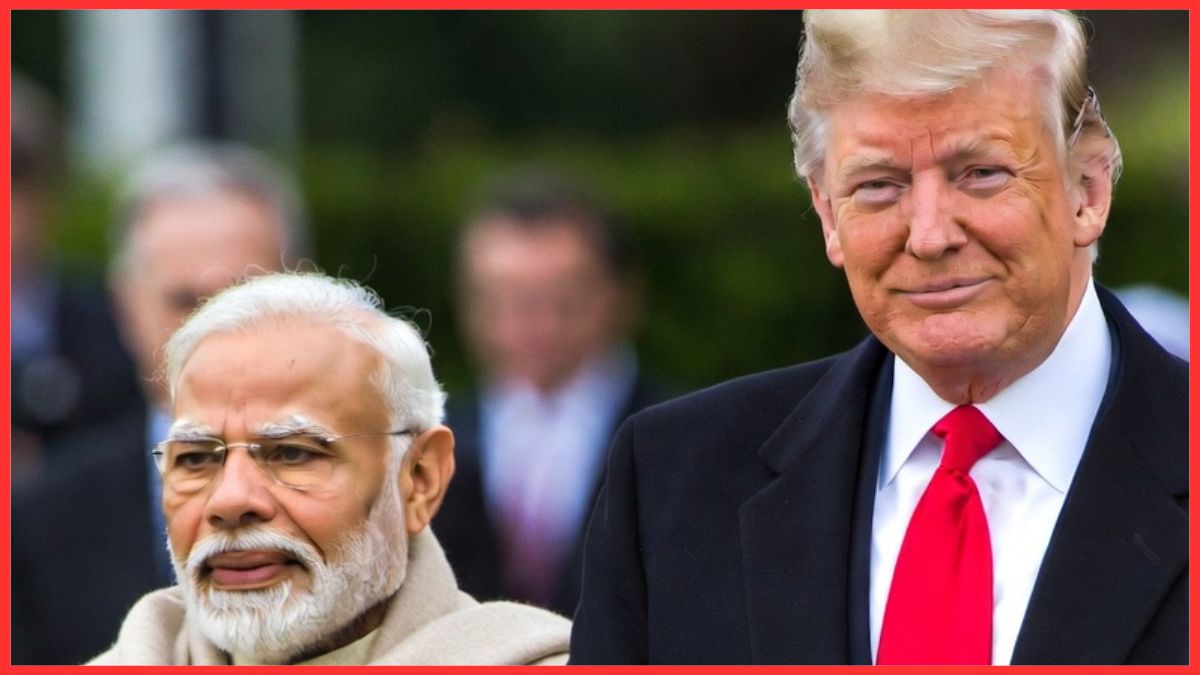
In a significant diplomatic exchange underscoring the geopolitical importance of maritime security and energy flows, Narendra Modi and Donald Trump held a phone conversation addressing escalating tensions in the Middle East, with particular attention to the critical Strait of Hormuz. The discussion, confirmed through separate statements on X by Modi and Sergio Gor, marks their first known interaction since the United States and Israel initiated coordinated strikes on Iran on February 28. According to Modi’s official post, India has emphasized its position in favor of de-escalation and the urgent restoration of regional stability, while highlighting the indispensable role of the Strait of Hormuz in sustaining global energy supply chains. The waterway remains a vital artery, accounting for approximately 40 percent of India’s crude oil imports, thereby placing it at the center of New Delhi’s economic and strategic calculations. Addressing Parliament a day prior, Modi indicated that the ongoing conflict has already affected key sectors such as aviation, shipping, and gas supply chains, though he reassured that India maintains adequate reserves of petroleum, fertilizers, and coal to mitigate immediate disruptions. The call reflects a convergence of interests between Washington and New Delhi in preserving uninterrupted maritime transit, particularly as energy security concerns intensify across European and Middle Eastern markets dependent on stable Gulf exports.
India–US Dialogue on Strait of Hormuz Highlights Energy Security Concerns Amid Middle East Conflict
The conversation between the Indian and US leadership illustrates a calibrated diplomatic approach aimed at balancing strategic caution with economic pragmatism, particularly in light of the Strait of Hormuz’s centrality to global oil markets and its downstream impact on European Union energy dependencies.
Narendra Modi Emphasizes De-escalation and Global Maritime Stability in Official Statements
Through official communications, Modi conveyed that India’s priority remains the swift de-escalation of tensions and the restoration of peace, while stressing that ensuring the Strait’s openness, security, and accessibility is essential not only for India but for the stability of international trade and energy markets at large.