

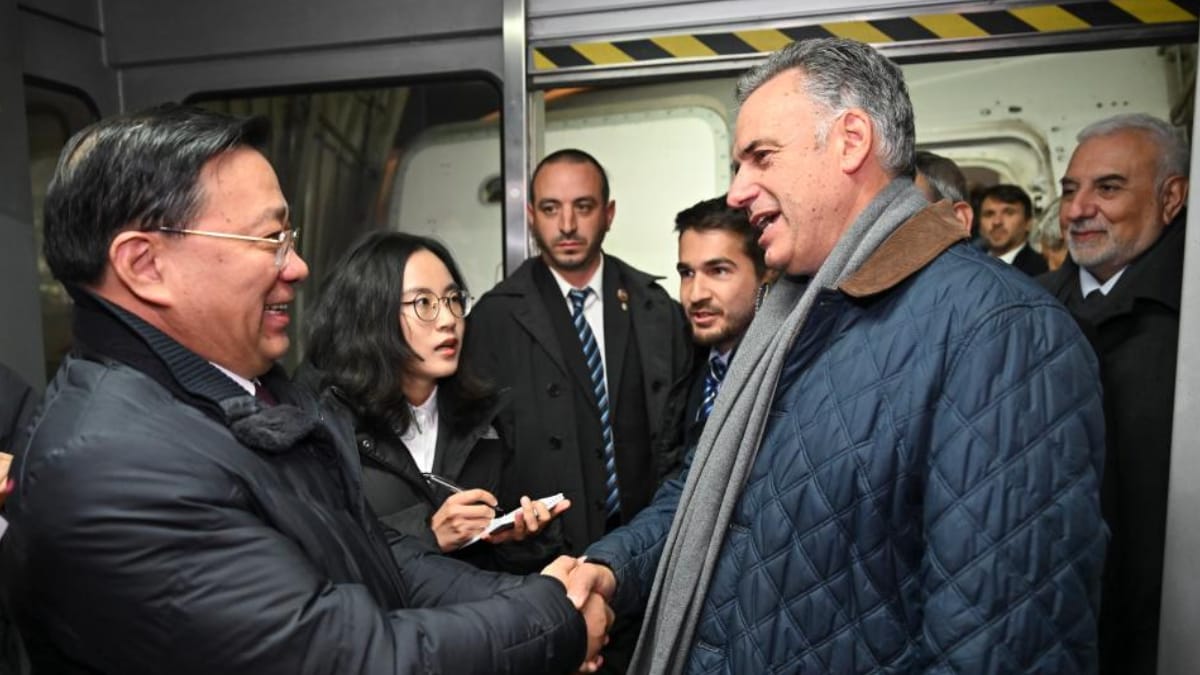
Luis Lacalle Pou, President of Uruguay, visited Beijing Foreign Studies University (BFSU) on Tuesday, as part of his ongoing official trip to China. The visit underscored the growing emphasis both countries place on educational, cultural and people-to-people exchanges alongside expanding political and economic engagement.
During his visit to the Beijing-based institution, Lacalle Pou was briefed on BFSU’s role in foreign-language education, international studies, and academic exchanges. The university is widely regarded as one of China’s leading centres for training diplomats, translators and international affairs specialists, and hosts programmes covering a broad range of world languages, including Spanish and Portuguese, which are central to Latin American engagement.
Focus on language, youth, and long-term cooperation
Lacalle Pou’s stop at BFSU carried symbolic weight, reflecting Uruguay’s interest in strengthening mutual understanding with China through education and cultural dialogue. Speaking to faculty and students, the Uruguayan president emphasised the importance of language learning and academic cooperation in fostering closer ties between nations separated by geography but increasingly connected by trade, diplomacy, and global challenges.
University representatives highlighted existing and potential cooperation with Uruguayan educational institutions, including student exchanges, joint research and academic collaboration in areas such as international relations, economics and regional studies. BFSU has in recent years expanded its engagement with Latin America, in line with China’s broader outreach to the region.
Broader diplomatic context
The visit took place against the backdrop of Lacalle Pou’s broader programme in Beijing, which includes high-level meetings with Chinese leaders and discussions aimed at strengthening bilateral relations. China is Uruguay’s largest trading partner, and ties between the two countries have steadily deepened since the establishment of diplomatic relations in 1988.
Beyond trade, both sides have increasingly emphasised cooperation in education, culture and tourism as pillars of their relationship. Analysts note that such engagements are designed to provide long-term support for political and economic ties by building familiarity and trust among younger generations.
Strategic significance
From a diplomatic perspective, the BFSU visit reflects a shared recognition that sustainable bilateral relations extend beyond government-to-government contacts. By engaging with academic institutions and students, Lacalle Pou signalled Uruguay’s intention to broaden the foundation of its relationship with China, while Beijing reinforced its message that cultural and educational exchange remains a key component of its engagement with Latin America.
The visit adds a softer, long-term dimension to Uruguay–China relations at a time when both countries are navigating an increasingly complex international environment.