

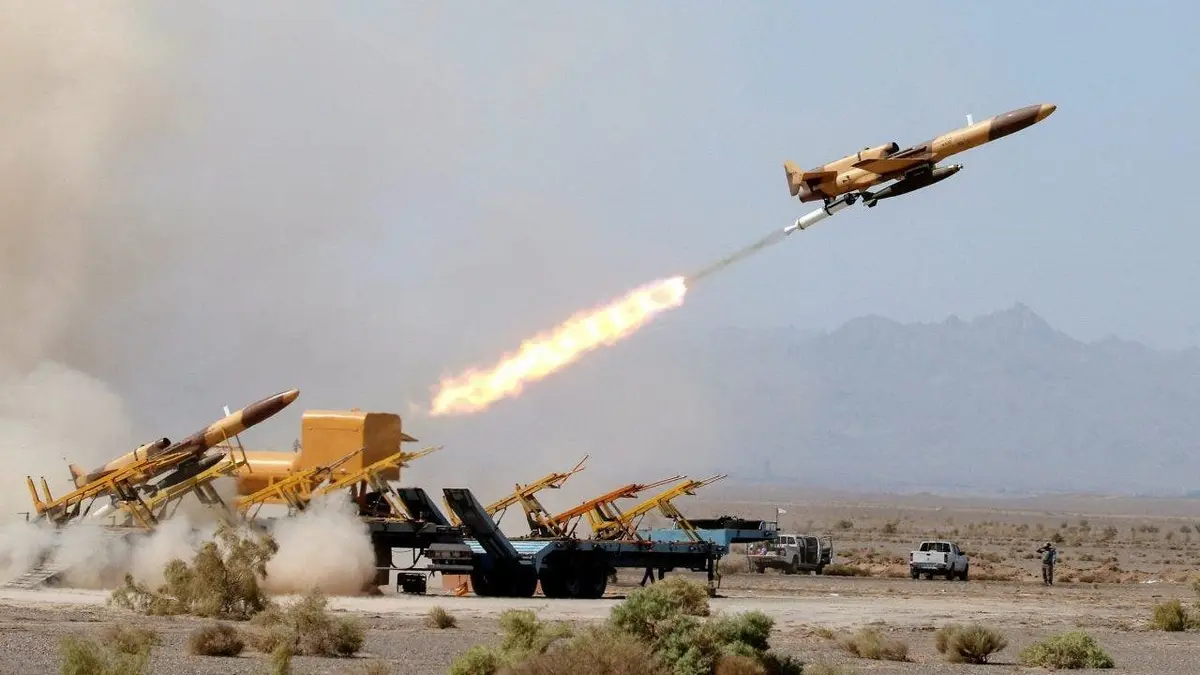
The reported large-scale strikes by the United States targeting military infrastructure of Iran represent a significant escalation in the ongoing confrontation, with far-reaching implications for international law and regional stability. Characterised as efforts to degrade capabilities threatening American personnel and allied partners, the operations invoke the doctrine of self-defence while simultaneously attracting rigorous legal scrutiny regarding their scope, necessity and proportionality. From a legal perspective, the framing of such operations as defensive rather than offensive is central to determining their permissibility under the existing international framework.
Legal basis under the prohibition on the use of force
The starting point for any analysis is Article two of the United Nations Charter, which prohibits the use of force against the territorial integrity or political independence of any state. The only recognised exceptions to this prohibition are actions authorised by the Security Council or those undertaken in self-defence. The United States is likely to justify its actions under Article fifty one, asserting that Iranian activities posed an ongoing threat to its forces and regional partners. The validity of this claim depends on whether the threat meets the threshold of an armed attack or an imminent risk thereof. The interpretation of imminence has evolved in contemporary practice, yet remains contested among legal scholars.
Necessity and proportionality in military targeting
Even where self-defence is established, the use of force must comply with the principles of necessity and proportionality. Necessity requires that force be employed only when no viable alternatives exist, while proportionality demands that the scale of the response be commensurate with the threat. The description of the strikes as demolishing weapons capabilities and infrastructure suggests a broad operational scope, raising questions about whether the response exceeds what is required to neutralise immediate threats. The assessment of proportionality is inherently context-dependent and requires careful evaluation of both military objectives and potential collateral damage. Failure to adhere to these principles could render the actions unlawful under international law.
Targeting rules and protection of civilian objects
The conduct of hostilities is governed by the Geneva Conventions and their associated principles. These rules require distinction between military objectives and civilian objects, as well as precautions to minimise harm to civilians. Military infrastructure may constitute legitimate targets if it contributes effectively to military action. However, the dual-use nature of many facilities complicates this determination, as infrastructure such as energy systems or transportation networks may serve both civilian and military purposes. The obligation to avoid excessive civilian harm remains paramount, and any deviation may constitute a violation of international humanitarian law.
State responsibility and the risk of escalation
The strikes also engage the doctrine of state responsibility, particularly if they are found to be inconsistent with international legal obligations. Iran may respond through diplomatic, legal or military means, potentially escalating the conflict and drawing in additional actors. The involvement of regional partners, whether directly or indirectly, further complicates the situation and increases the risk of a broader confrontation. The interconnected nature of alliances in the Middle East amplifies the potential for escalation beyond the immediate parties.
Strategic objectives and geopolitical implications
From an international relations perspective, the strikes reflect an effort to reassert deterrence and degrade Iran’s capacity to project power in the region. By targeting infrastructure linked to weapons systems, the United States aims to alter the strategic balance and limit future threats. However, such actions carry inherent risks, including the possibility of retaliation and the strengthening of hardline positions within Iran. The effectiveness of military operations in achieving long-term strategic objectives remains uncertain, particularly in complex regional environments.
Maritime security and implications for global trade
The broader context of the strikes includes ongoing tensions surrounding critical maritime routes, particularly the Strait of Hormuz. Disruptions to these routes have significant implications for global trade and energy markets. Military operations in the region may be justified in part by the need to secure these routes, yet they also contribute to the instability that threatens them. This paradox underscores the complexity of addressing security challenges in strategically vital areas.
Conclusion: legality contested in a high-stakes military confrontation
The United States strikes on Iranian military targets represent a pivotal moment in the evolving conflict, with significant legal and geopolitical ramifications. While the operations are framed as defensive, their legality depends on a careful assessment of necessity, proportionality and compliance with international humanitarian law. The situation highlights the enduring tension between the imperatives of security and the constraints of legal norms. Ensuring accountability and adherence to established rules remains essential for maintaining the credibility and effectiveness of the global legal order.