

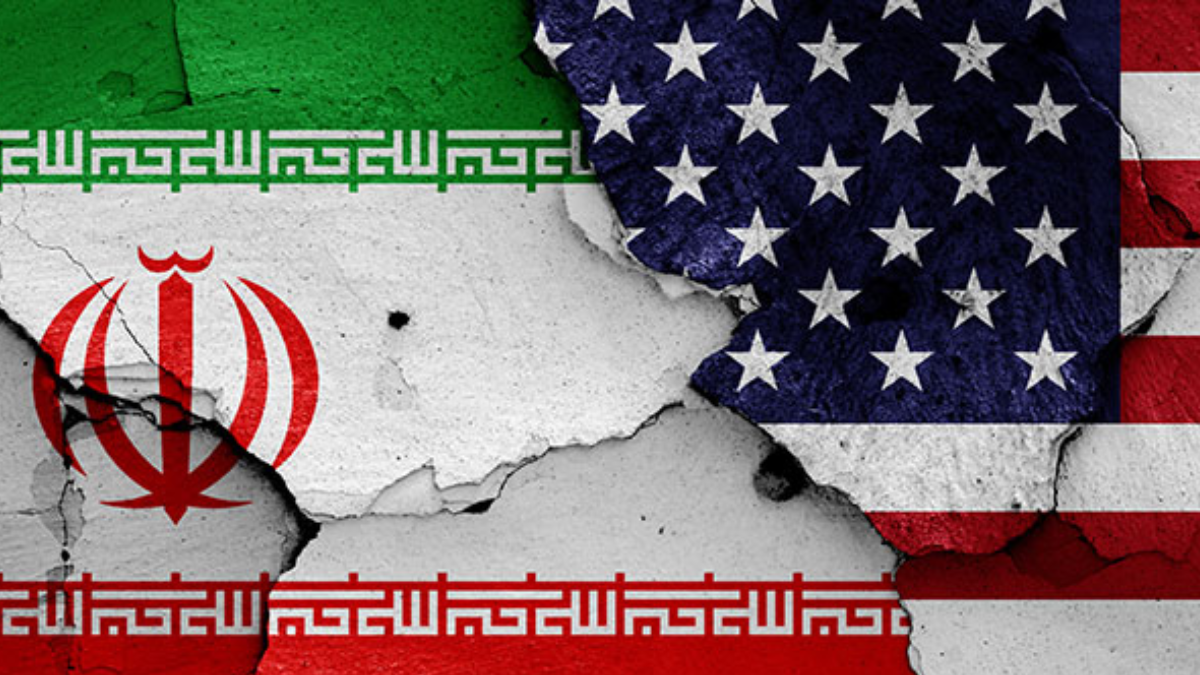
The reported ultimatum issued by Donald Trump demanding that Iran reopen the Strait of Hormuz within forty eight hours or face military strikes on power plants represents a profound escalation in both legal and geopolitical terms. Such a statement moves beyond conventional diplomatic pressure into the domain of explicit coercion backed by the threat of force, thereby engaging some of the most fundamental principles of international law. The ultimatum situates the crisis at the intersection of maritime rights, energy security and the prohibition on the use of force. It also raises immediate concerns about the legality of targeting civilian infrastructure and the broader implications for regional stability.
Legal status of threats under the United Nations Charter
The prohibition on the threat or use of force is enshrined in Article two of the United Nations Charter. This provision extends beyond actual military action to include statements that imply a willingness to use force in violation of international law. An ultimatum demanding compliance under threat of attack may therefore constitute a breach of this principle if the threatened action itself would be unlawful. The legality of the statement is thus intrinsically linked to the legality of the proposed strikes. While states retain the right to issue warnings in the context of lawful self-defence, the threshold for such justification is high and requires evidence of an imminent threat.
Self-defence and the reopening of maritime routes
The United States may argue that the closure of the Strait of Hormuz constitutes a threat to national security and global economic stability, thereby justifying action under the doctrine of self-defence. However, international law traditionally requires that self-defence be invoked in response to an armed attack or an imminent threat of such an attack. The disruption of commercial navigation, while economically significant, does not automatically meet this threshold. Legal scholars remain divided on whether economic coercion or maritime obstruction can justify the use of force under Article fifty one. Even if self-defence is accepted as a justification, any response must satisfy the principles of necessity and proportionality. A large-scale strike on infrastructure would need to be carefully evaluated against these criteria.
Targeting power plants and international humanitarian law
The proposed targeting of power plants introduces serious legal concerns under the Geneva Conventions and their additional protocols. Civilian infrastructure is protected from attack unless it constitutes a military objective. Power plants are typically classified as civilian objects, although they may become lawful targets if they provide direct and substantial support to military operations. Even in such cases, the principle of proportionality requires that the anticipated military advantage outweigh any harm to civilian populations. Strikes on energy infrastructure can have widespread humanitarian consequences, including disruption of essential services such as healthcare, water supply and communication. These factors significantly complicate the legal justification for such actions.
Maritime law and the obligation of transit passage
The legal regime governing the Strait of Hormuz is defined by the United Nations Convention on the Law of the Sea, which guarantees the right of transit passage for all vessels. Any attempt by Iran to block or restrict this passage would itself raise legal issues under international law. However, the enforcement of these rights through military means is not explicitly authorised by the convention. This creates a legal gap between the recognition of navigational rights and the mechanisms available to enforce them. The ultimatum, therefore, reflects an attempt to bridge this gap through coercive means, raising questions about the compatibility of such actions with established legal norms.
Strategic implications and risk of escalation
The issuance of a time-bound ultimatum significantly increases the risk of rapid escalation. Diplomatic space is reduced, and the likelihood of miscalculation rises as parties face pressure to respond within a constrained timeframe. Iran may interpret the ultimatum as an act of aggression, potentially triggering retaliatory measures across multiple domains, including maritime operations, cyber activity and regional proxy engagements. The involvement of critical infrastructure further heightens the stakes, as attacks on such targets can produce cascading effects that extend beyond the immediate conflict zone.
International response and the role of multilateral institutions
The situation places significant pressure on international institutions to mediate and de-escalate the conflict. The United Nations Security Council may be called upon to address the legality of both the closure of the Strait and the threatened use of force. However, geopolitical divisions often limit the effectiveness of such interventions, particularly when major powers hold conflicting positions. The absence of consensus can hinder the development of a coordinated response and prolong the crisis.
Conclusion: legality under strain in a high-stakes geopolitical confrontation
The ultimatum issued by Donald Trump represents a critical moment in the ongoing confrontation involving Iran and the Strait of Hormuz. It encapsulates the tension between strategic objectives and legal constraints that defines contemporary international relations. The threat of strikes on power plants raises serious concerns under both the United Nations Charter and international humanitarian law, while the underlying dispute over maritime access highlights the limitations of existing legal frameworks. As the situation evolves, the ability of states to navigate these challenges within the bounds of international law will be essential in preventing further escalation and preserving the stability of the global order.