

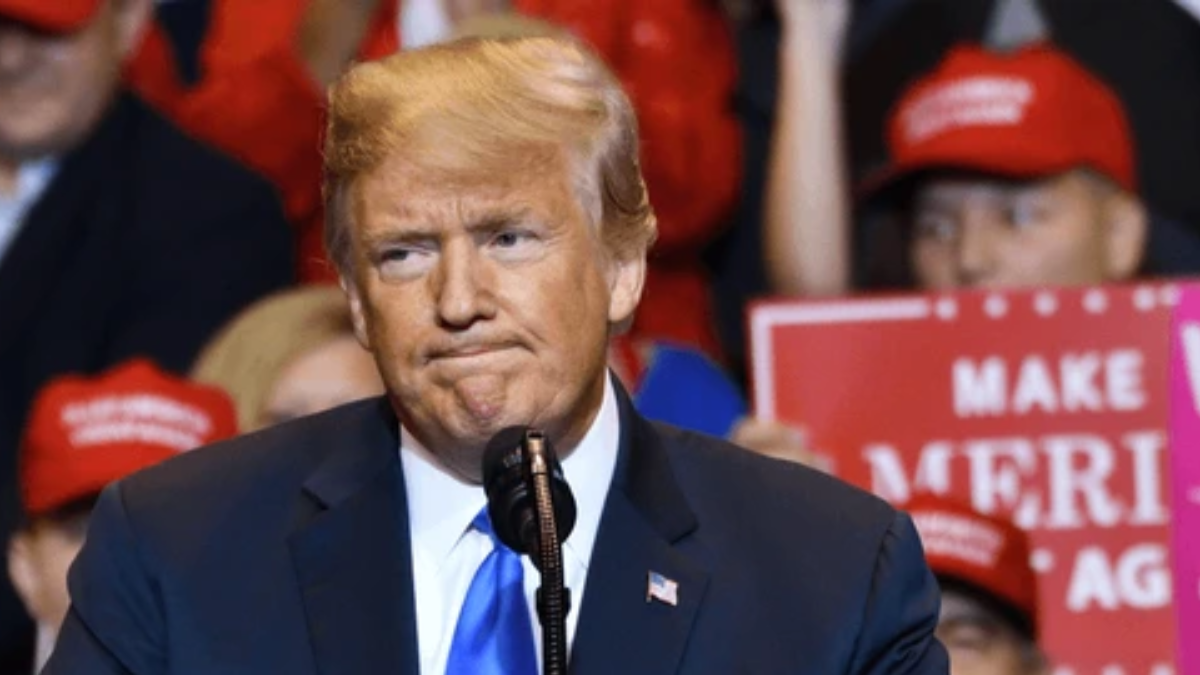
The reported decline in United States President Donald Trump’s approval rating to its lowest level since the beginning of his second term, as indicated by a Reuters Ipsos poll, reflects the growing domestic impact of foreign policy decisions and economic pressures linked to the ongoing conflict with Iran. The convergence of rising fuel prices and public disapproval of military engagement has created a politically sensitive environment in which executive decision making is increasingly scrutinised through both legal and constitutional lenses. This development underscores the intricate relationship between international conflict, domestic economic conditions and democratic accountability within the United States.
From a legal perspective, the conduct of military operations by the United States raises enduring questions regarding the constitutional allocation of war powers. Under the United States Constitution, the authority to declare war resides with Congress, while the President serves as Commander in Chief of the armed forces. In practice, however, modern conflicts are often initiated without a formal declaration of war, relying instead on authorisations or executive discretion. The current situation involving Iran brings renewed attention to the War Powers Resolution, which seeks to limit the President’s ability to engage in prolonged military action without congressional approval. Public disapproval reflected in polling data may therefore translate into increased legislative pressure to assert oversight over executive actions.
The economic dimension of the issue is equally significant. The escalation of tensions in the Middle East has contributed to disruptions in global energy markets, particularly in relation to the Strait of Hormuz, a critical chokepoint for oil transportation. As fuel prices rise within the United States, the effects are felt across multiple sectors, including transportation, manufacturing and household consumption. Inflationary pressures linked to energy costs often have immediate political consequences, as they directly affect the daily lives of citizens. The decline in approval ratings suggests that voters are increasingly associating economic hardship with foreign policy decisions.
International law also plays a central role in shaping perceptions of the conflict. The United Nations Charter establishes clear limitations on the use of force, permitting military action primarily in cases of self defence or when authorised by the United Nations Security Council. Any deviation from these principles invites legal scrutiny and can influence both domestic and international opinion. In this context, public sentiment within the United States may be influenced not only by economic considerations but also by broader concerns regarding the legality and legitimacy of military operations.
The geopolitical implications extend beyond domestic politics. The United States remains a central actor in the global security architecture, and its actions in the Middle East have far reaching consequences for regional stability and international relations. Allies and adversaries alike closely monitor shifts in public opinion, as they may signal changes in policy direction or strategic priorities. A decline in presidential approval can therefore have indirect effects on diplomatic negotiations and alliance dynamics.
Ultimately, the intersection of declining approval ratings, economic strain and legal debate illustrates the complexity of governance in an interconnected world. The situation demonstrates how foreign policy decisions are not confined to the international arena but are deeply intertwined with domestic legal frameworks and public accountability. As the conflict with Iran continues to evolve, the balance between strategic objectives, legal constraints and public opinion will remain a defining factor in shaping the trajectory of United States policy.