

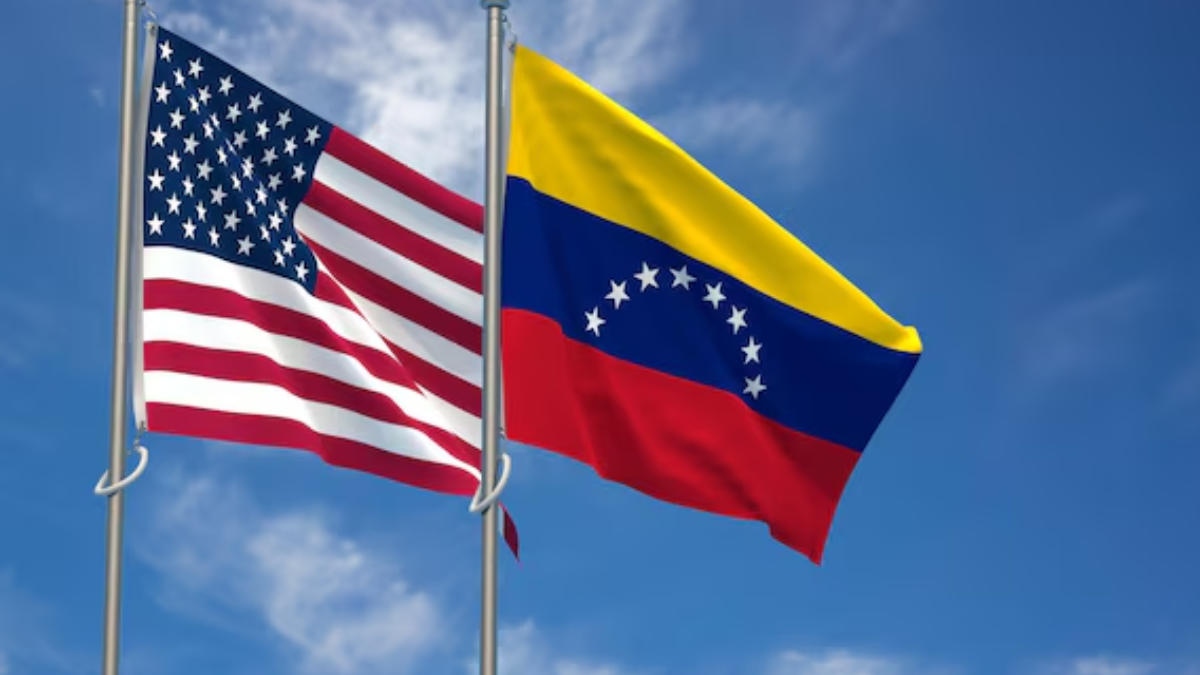
The reported transfer of more than one hundred million dollars’ worth of gold from Venezuela to the United States, as confirmed by Doug Burgum, represents a development of profound legal and geopolitical significance. The transaction, framed as part of a broader economic and resource partnership, must be examined within the context of sovereignty over natural resources, the legality of prior United States intervention, and the evolving structure of international economic relations. At its core, the issue raises a fundamental legal question: whether the transfer constitutes a lawful commercial exchange or a form of resource extraction enabled by contested political circumstances.
Sovereignty over natural resources and international legal principles
The principle of permanent sovereignty over natural resources is a cornerstone of international law, affirming that states have the right to control and exploit their own resources. This principle has been recognised in numerous resolutions of the United Nations and forms part of customary international law. Any transfer of gold from Venezuela to the United States must therefore be grounded in the consent of a legitimate government exercising effective control. The legitimacy of such consent becomes a critical issue where political transitions or external interventions have altered the governing authority. If the entity authorising the transfer lacks broad recognition or operates under external influence, the legality of the transaction may be called into question.
Legal implications of regime change and resource agreements
The broader context includes the reported United States intervention in Venezuela and the subsequent restructuring of its resource sector. In such circumstances, agreements concerning natural resources may be scrutinised under international law for potential coercion or lack of genuine consent. The doctrine of unequal treaties and principles prohibiting economic coercion are relevant in assessing whether the transaction reflects a fair exchange or an imbalance of power. While international law does not prohibit all asymmetrical agreements, it does impose limits where consent is obtained through force or undue pressure. The timing and circumstances of the gold transfer therefore, play a crucial role in determining its legal validity.
Sanctions regimes and licensing frameworks
The transfer appears to have been facilitated through specific licensing arrangements allowing transactions with Venezuelan state entities such as Minerven. These licences operate within the framework of United States sanctions law, which has historically restricted economic engagement with Venezuela. The selective easing of sanctions to permit resource transactions raises questions about consistency and transparency in sanctions policy. While states retain broad discretion in imposing and lifting sanctions, such actions must align with international obligations and principles of non-discrimination. The use of licensing mechanisms to enable resource extraction highlights the interplay between domestic regulatory frameworks and international economic law.
State responsibility and allegations of resource exploitation
Critics may characterise the transfer of gold as a form of resource exploitation, particularly if it is perceived as benefiting external actors at the expense of the Venezuelan population. International law does not prohibit foreign investment or resource extraction per se, but it does require that such activities respect the rights and interests of the host state. The doctrine of state responsibility may be engaged if actions by the United States are found to violate Venezuela’s sovereignty or result in unjust enrichment. However, establishing such claims in practice is complex, given the challenges of attribution and enforcement. The absence of a central enforcement mechanism in international law often limits the practical consequences of such disputes.
Economic and strategic implications for global resource competition
The acquisition of Venezuelan gold must also be understood within the broader context of global competition for critical minerals. Gold, along with other resources such as bauxite and rare earth elements, plays a significant role in industrial production and technological development. By securing access to these resources, the United States strengthens its position in global supply chains and reduces dependence on other suppliers. This strategic dimension reflects a shift towards resource-driven geopolitics, where economic and security considerations are increasingly intertwined. The implications extend beyond bilateral relations, influencing global markets and international competition.
Diplomatic consequences and international perception
The transfer of gold is likely to attract scrutiny from other states and international organisations, particularly in light of the circumstances surrounding Venezuela’s political transition. Perceptions of external control or exploitation may affect diplomatic relations and contribute to broader geopolitical tensions. At the same time, the transaction may be viewed by some as a step towards economic stabilisation and integration into global markets, depending on the perspective adopted. The divergent interpretations highlight the complexity of assessing such developments within a fragmented international system.
Conclusion: legality contested in the intersection of power and resources
The transfer of one hundred million dollars’ worth of gold from Venezuela to the United States represents a legally and politically contested development that encapsulates the challenges of modern international relations. The interplay between sovereignty, consent, sanctions, and strategic interests creates a multifaceted legal landscape in which clear conclusions are difficult to draw. As states increasingly compete for access to critical resources, the need for transparent and equitable legal frameworks becomes more pressing. The situation underscores the importance of ensuring that economic engagements respect both legal norms and the rights of affected populations. Ultimately, the episode serves as a reminder that the governance of natural resources remains a central and contested issue in the evolving global order.