

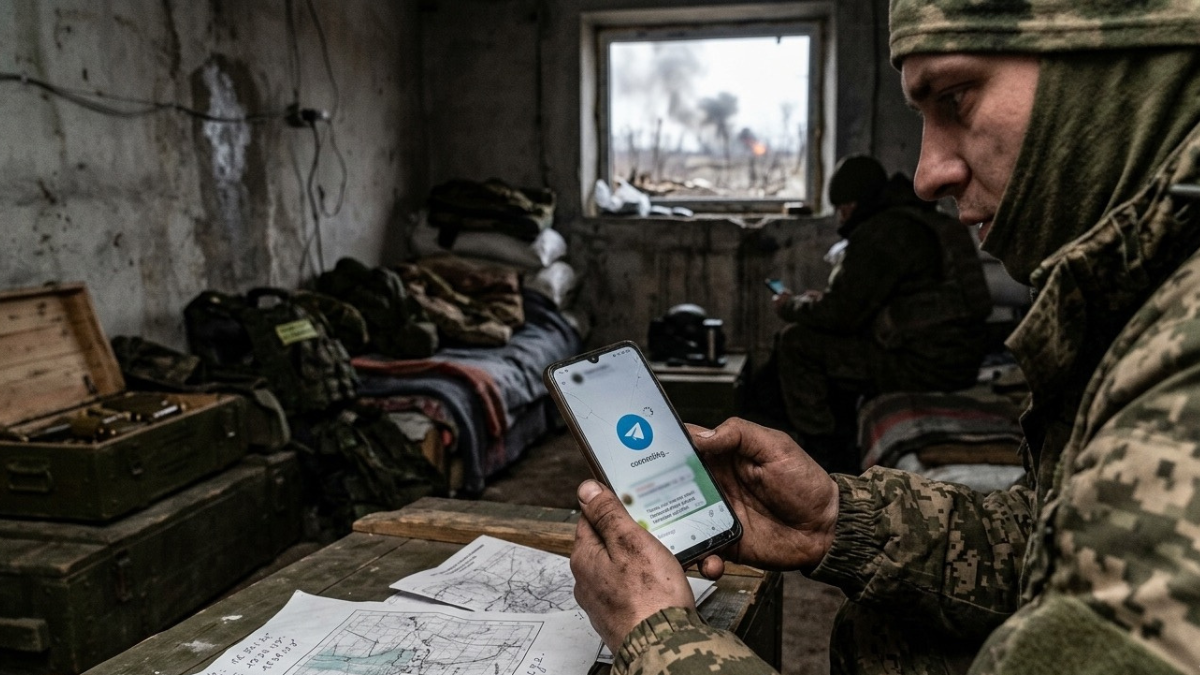
Russian authorities have stepped up pressure on Telegram, throttling the messaging app’s performance across Russia and pushing users toward the state-backed MAX alternative. Disruptions intensified over the weekend of March 14-15, with many users unable to send messages, load media, or open the app on mobile and home internet. Monitoring data shows blocking levels reaching nearly 80% in some regions by mid-March, ahead of earlier expectations for a complete block, though no official cutoff date has been announced.
The moves build on restrictions that started earlier this year, including slowdowns announced in February by Roskomnadzor, the communications regulator. Officials cite Telegram’s failure to comply with laws on countering terrorism, extremism, and crime. They accuse the platform of not sharing data or taking steps to block harmful content, putting citizens at risk. Kremlin spokesman Dmitry Peskov has avoided direct comments on the latest outages, while the regulator insists on phased limits until violations end.
Telegram founder Pavel Durov has hit back, calling the actions a push to force people onto a state-controlled app designed for surveillance and censorship. He described it as a sign of fear from those in power. Durov, who faces a formal investigation in France over alleged failure to moderate criminal content on Telegram, though no formal charges have been filed, stressed that the app remains committed to user privacy.
Even some pro-Kremlin voices have voiced unease. Military bloggers and activists who rely on Telegram for frontline coordination in Ukraine warn that curbs could harm operations. One fundraiser for Russian troops called the restrictions “criminal” and a form of sabotage. A politician labeled authorities foolish for risking troops’ key communication tool, saying soldiers often depend on it to direct fire, save lives, and defeat threats. Humanitarian aid organizers accept possible limits if security services demand them but note the shift will not be easy.
The push promotes MAX, preinstalled on devices since September and tied to government services like digital IDs. With nearly 100 million users claimed, it offers messaging alongside payments and other features. Critics see it as lacking strong privacy protections, raising concerns over data tracking. Ordinary Russians show mixed reactions. Some install MAX reluctantly, calling it poorly made, while others refuse, sticking with Telegram via workarounds like VPNs despite growing hurdles.
This fits Russia’s wider digital control efforts. Since 2022, authorities have blocked or slowed many foreign platforms, citing security and sovereignty. Telegram’s history in Russia includes a failed 2018 ban attempt over encryption keys, lifted later as usage grew among officials, media, and the military. Now, with Telegram central for battlefield updates and public chats, the throttling tests loyalty to state rules against independent channels.
Such steps raise questions about balancing security with open communication. International norms protect free expression and access to information, but Russia frames limits as needed to shield against threats like fraud or extremism. The approach allows partners to enforce domestic laws without outside interference, similar to how allies handle mutual ties amid sanctions.
On the Ukraine front, Russian forces maintained positions March 22-23, focusing on defensive lines near Donetsk. Putin has tied broader actions to protecting against wider risks. The Telegram curbs add to home-front tensions, where people weigh convenience against growing controls. With elections ahead in 2026, the timing fuels talk of tighter narrative management.
Oil prices held steady amid regional strains, but digital shifts could affect how information flows in energy and security talks. Russia positions itself as defending core interests, betting that controlled channels bring stability in uncertain times. The Telegram squeeze shows Moscow’s resolve to shape its online space, even if it sparks pushback from unexpected corners.