

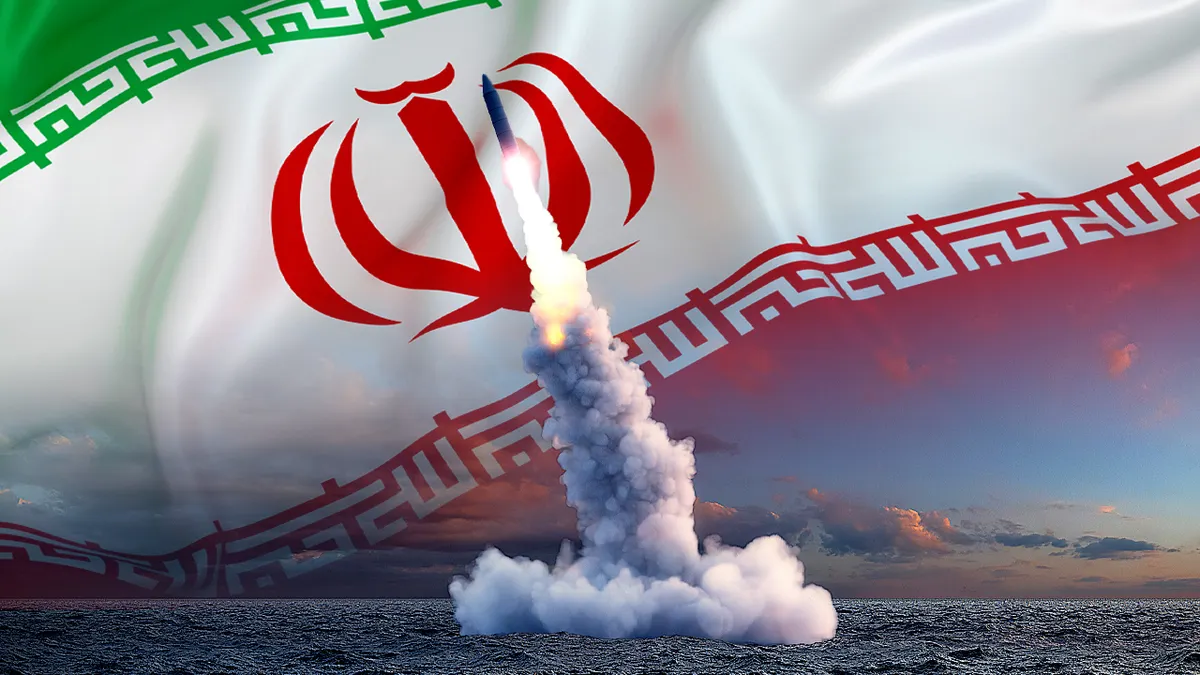
The decision by Donald Trump to delay threatened military strikes on Iranian power infrastructure by at least five days, shortly before the expiration of his ultimatum to Iran to reopen the Strait of Hormuz, represents a critical recalibration of both legal posture and geopolitical strategy. While the postponement does not eliminate the underlying threat of force, it significantly alters the legal and diplomatic landscape by creating space for negotiation while preserving coercive leverage. From an international law perspective, this pause must be understood not as a retreat but as a strategic adjustment reflecting the constraints imposed by the prohibition on the threat or use of force, as well as the operational realities of escalation management.
Legal character of the postponed force under the United Nations framework
The initial ultimatum to strike Iranian power plants raised serious concerns under Article two of the United Nations Charter, which prohibits both the use and threat of force. The postponement does not remove the legal scrutiny surrounding the earlier statement but does mitigate the immediacy of the threat. International law distinguishes between imminent coercion and conditional diplomatic signalling, and the delay shifts the situation closer to the latter. However, the continued existence of a stated willingness to use force means that the legal evaluation remains contingent on whether such action could be justified under recognised exceptions, particularly self-defence. The pause, therefore, reflects an implicit acknowledgement of the legal sensitivity surrounding the threatened strikes.
Self-defence and the evolving threshold of necessity
The United States may continue to frame its position within the doctrine of self-defence, particularly in light of alleged disruptions to global shipping and threats to energy security emanating from the Strait of Hormuz. However, the postponement suggests a reassessment of whether the threshold of necessity has been met. Under international law, the use of force in self-defence must be both necessary and proportionate, and it must respond to an armed attack or an imminent threat thereof. By delaying military action, the United States signals that alternative measures, including diplomacy and economic pressure, remain viable. This development reinforces the principle that force should be a measure of last resort rather than an immediate response to strategic challenges.
Targeting energy infrastructure and humanitarian considerations
The original threat to strike Iranian power plants raised significant issues under the Geneva Conventions. Energy infrastructure is typically classified as civilian in nature, and its targeting is subject to strict limitations. The postponement reduces the immediate risk of humanitarian harm while allowing for further legal and operational assessment of potential targets. It also reflects the recognition that attacks on such infrastructure could produce widespread civilian suffering, including disruption of essential services. This recalibration aligns with the broader obligation to minimise harm to civilian populations in the conduct of hostilities.
Maritime law and enforcement challenges in the Strait of Hormuz
The underlying dispute over the closure or restriction of the Strait of Hormuz engages the legal regime established by the United Nations Convention on the Law of the Sea. This framework guarantees the right of transit passage through international straits, placing legal constraints on any attempt to block navigation. However, the enforcement of these rights remains a persistent challenge, as the convention does not provide a direct mechanism for coercive action. The postponement of strikes suggests a recognition of this gap and the need to balance legal principles with strategic considerations. It also underscores the importance of multilateral approaches in addressing disputes involving global commons.
Diplomatic signalling and crisis management
The decision to delay military action serves as strategic signalling to multiple audiences, including Iran, regional allies, and the broader international community. It communicates both resolve and restraint, preserving the credibility of the threat while opening a pathway for de-escalation. Such signalling is a central feature of crisis management in international relations, where states seek to influence the behaviour of adversaries without triggering unintended escalation. The five-day window may facilitate back-channel negotiations or confidence-building measures. This approach reflects a pragmatic understanding of the limits of coercion in achieving sustainable outcomes.
Regional stability and the risk of escalation
The Strait of Hormuz remains one of the most sensitive geopolitical flashpoints, and any military action in the region carries a high risk of escalation. The postponement reduces immediate tensions but does not eliminate the underlying drivers of conflict. Iran may interpret the delay as an opportunity to negotiate or as a sign of hesitation, depending on its strategic calculus. Regional actors, including Gulf states, will closely monitor developments as they assess their own security positions. The situation, therefore, remains fluid, with the potential for rapid shifts in both legal and strategic dynamics.
Conclusion: a calculated pause within a legally constrained confrontation
The postponement of threatened United States strikes against Iranian power infrastructure represents a calculated pause within a highly volatile confrontation. It highlights the interplay between legal constraints, strategic objectives and diplomatic considerations that define contemporary international relations. By delaying action, the United States navigates the tension between maintaining pressure and adhering to international legal norms. The outcome of this period will depend on whether diplomatic efforts can address the underlying dispute over the Strait of Hormuz. The episode ultimately underscores the enduring relevance of international law in shaping state behaviour, even in moments of acute geopolitical tension.