

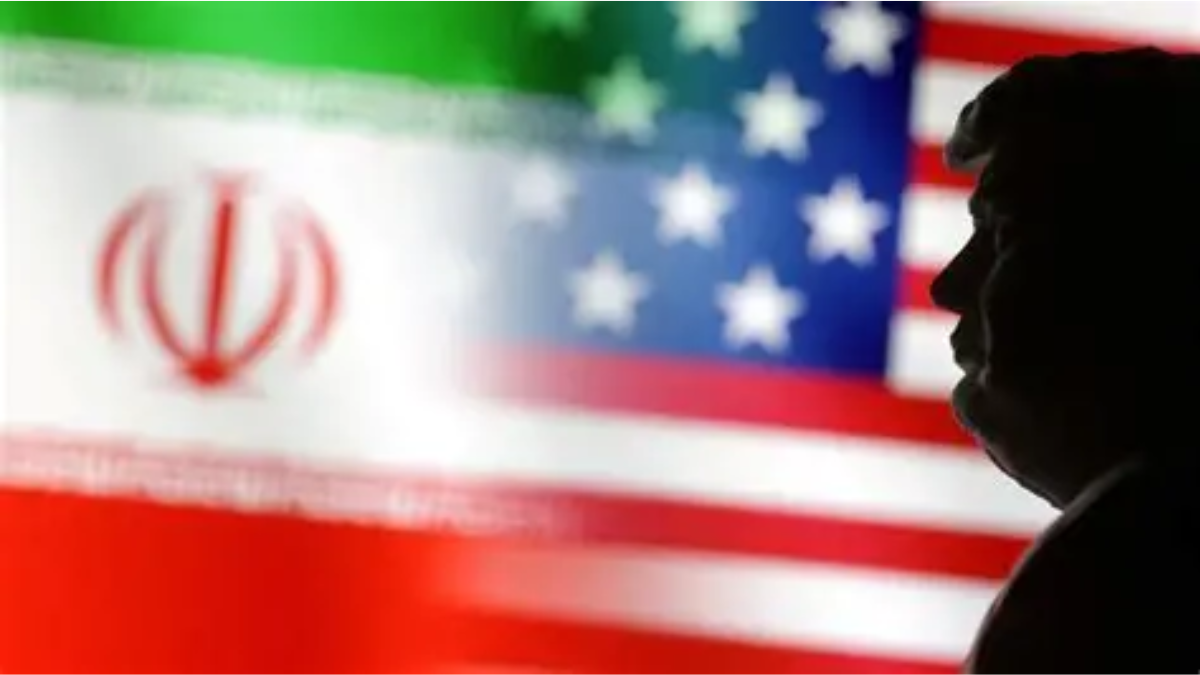
A significant legal and geopolitical dispute has emerged in Washington after members of the United States Congress called on the administration of Donald Trump to reverse a sanctions waiver permitting Indian refiners to continue purchasing crude oil from Russia. The controversy has unfolded against the backdrop of severe disruptions in global energy markets caused by the ongoing conflict involving Iran, which has already strained international oil supply chains and increased volatility in petroleum prices. The waiver, which reportedly allows Indian refineries to maintain transactions involving Russian crude despite existing sanctions regimes, has provoked criticism from several Democratic lawmakers who argue that the policy undermines the effectiveness of Western sanctions designed to restrict Russian energy revenues. The debate reflects the complex legal architecture of economic sanctions and the competing strategic priorities that often shape the United States foreign policy. From the perspective of international law and energy geopolitics, the issue highlights the tension between sanctions enforcement and global energy stability. Governments must balance the desire to pressure adversarial states through economic restrictions while simultaneously ensuring that essential global supply chains remain functional during periods of geopolitical instability.
Legal foundations of the United States sanctions policy
The authority of the United States government to impose economic sanctions arises primarily from domestic legislation and executive powers related to national security. The central statutory framework governing such actions is the International Emergency Economic Powers Act of 1977, which allows the president to regulate economic transactions during national emergencies that threaten the national security, foreign policy, or economy of the United States. Under this law, the president may restrict trade, freeze financial assets, and prohibit certain categories of economic activity involving designated countries or entities. These powers are frequently exercised through executive orders that instruct federal agencies to implement specific sanctions regimes targeting foreign governments, corporations, or individuals. In addition to the International Emergency Economic Powers Act, Congress has enacted several specialised sanctions statutes aimed at restricting Russian energy exports and financial transactions. These laws provide the executive branch with the authority to penalise companies or states that engage in certain categories of commercial dealings with Russian entities. However, the statutory framework also allows the executive branch to grant waivers when strict enforcement of sanctions could create significant national security risks or disrupt critical economic interests. Such waivers are often used to prevent unintended consequences that could destabilise global markets or harm allied states.
The legal rationale behind sanctions waivers
Sanctions waivers operate as a crucial instrument within the broader legal architecture of economic statecraft. While sanctions are designed to exert financial pressure on targeted states, policymakers frequently recognise that rigid enforcement can generate collateral damage affecting allied economies and global markets. Within the context of energy markets, waivers may be granted to ensure that oil supplies remain sufficiently stable to avoid dramatic price shocks. The disruption of energy flows resulting from the Iran-related conflict has significantly reduced available supply within global markets. Allowing certain states to continue purchasing Russian crude may therefore represent an attempt to stabilise energy availability while broader geopolitical tensions remain unresolved. From a legal perspective, the executive branch generally retains discretion to issue such waivers when authorized by statute. However, the exercise of this discretion often becomes politically controversial, particularly when lawmakers believe that sanctions enforcement should remain uncompromising in order to maximise pressure on targeted states. The current dispute reflects precisely this tension between legal authority and political expectations surrounding the use of sanctions as an instrument of foreign policy.
Congressional oversight and the separation of powers
The demands from Democratic lawmakers for the reversal of the waiver highlight the role of congressional oversight in the sanctions process. Although the president possesses broad authority to implement sanctions under emergency powers legislation, Congress retains significant influence over foreign economic policy through its legislative and supervisory functions. Members of Congress may challenge executive decisions through hearings, legislative amendments, or resolutions designed to restrict or modify the use of sanctions waivers. In some cases, lawmakers have enacted statutes requiring periodic review of waiver decisions or imposing reporting obligations on the executive branch. This dynamic reflects the constitutional principle of separation of powers, under which the legislative branch maintains authority over foreign commerce and the regulation of international trade. While the executive branch conducts diplomacy and implements sanctions policy, Congress frequently asserts its role in shaping the broader framework governing economic restrictions. The political controversy surrounding the Russian oil waiver, therefore, represents an example of the ongoing institutional negotiation between the legislative and executive branches in the realm of foreign economic policy.
India’s strategic position in the global energy system
The involvement of India introduces an additional dimension to the legal and geopolitical analysis. India has emerged as one of the largest consumers of crude oil in the world and relies heavily on imported energy to sustain its rapidly expanding economy. As a result, Indian refiners have diversified their sources of crude supply in order to secure stable and affordable energy flows. The purchase of Russian oil by Indian refiners has increased significantly in recent years, particularly after Western sanctions redirected Russian exports toward alternative markets. Discounted Russian crude has offered Indian energy companies an economically attractive supply option during a period characterised by fluctuating global oil prices. From a diplomatic perspective, the United States must carefully consider the implications of sanctions enforcement for its strategic partnership with India. Washington increasingly views India as a key partner in maintaining regional stability and balancing geopolitical influence in the Indo-Pacific region. Excessively restrictive sanctions policies could therefore risk undermining a broader strategic relationship. This delicate balance between economic pressure on Russia and the preservation of alliances illustrates the complexity of sanctions diplomacy in an interconnected international system.
Global energy disruption and the strategic logic of policy flexibility
The broader geopolitical context surrounding the sanctions waiver is the disruption of energy markets triggered by the conflict involving Iran. Military tensions in the Middle East have historically produced significant volatility in global oil prices due to the concentration of major energy reserves and export routes in the region. When supply disruptions occur simultaneously with sanctions restrictions targeting major producers, global energy markets can experience severe shortages. Policymakers often respond by introducing temporary policy flexibility designed to maintain supply stability. The waiver permitting Indian refiners to purchase Russian crude can therefore be interpreted as part of a wider strategy aimed at preventing an extreme contraction in global oil availability. In practical terms, governments must weigh the effectiveness of sanctions pressure against the economic risks of destabilising global energy systems. From an international relations perspective, such decisions reveal the inherent limits of sanctions as a policy instrument when global economic interdependence creates complex trade-offs between strategic objectives.