

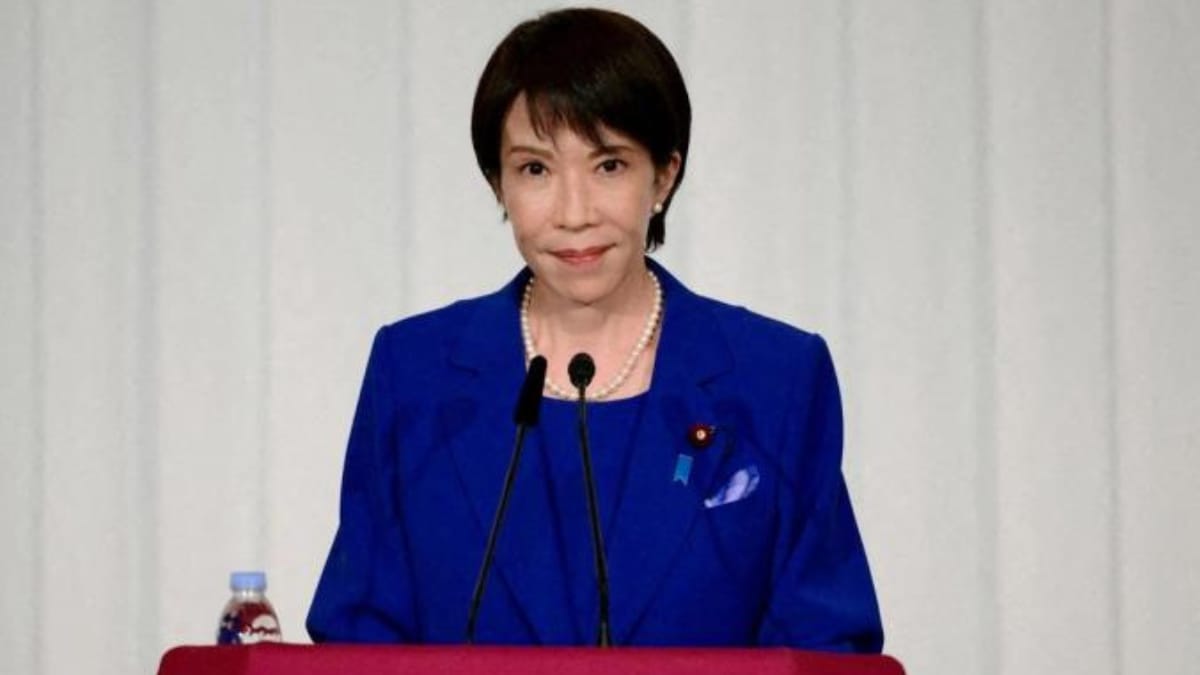
Japan has entered a consequential political phase following the election of Sanae Takaichi as the 105th prime minister by lawmakers in the National Diet of Japan. As president of the ruling Liberal Democratic Party, Takaichi secured parliamentary backing in accordance with Japan’s constitutional procedure, marking a leadership transition with significant international ramifications.
Under Article 67 of the Constitution of Japan, the prime minister is designated by the Diet, with the House of Representatives prevailing in the event of disagreement between chambers. The process underscores Japan’s parliamentary sovereignty and the centrality of party majority discipline within its Westminster-influenced system.
Constitutional and defence implications
Takaichi’s ascent revives a long-standing debate concerning constitutional revision, particularly Article 9, which renounces war and restricts the maintenance of armed forces. While Japan already maintains the Self Defence Forces under established legal interpretation, any formal amendment would carry profound legal consequences for the regional security architecture.
International observers are assessing whether Takaichi’s leadership will accelerate reinterpretation of the collective self-defence doctrine, expand defence expenditure beyond current benchmarks, and deepen security integration with the United States under the framework of the bilateral alliance. Such measures would alter strategic calculations across East Asia, particularly in relation to maritime security and deterrence posture.
Economic governance and monetary coordination
Japan economic trajectory remains fragile following subdued growth and demographic constraints. Takaichi inherits complex monetary and fiscal dynamics involving the Bank of Japan, whose gradual policy normalisation must be balanced against growth risks.
Her administration approach to industrial policy, semiconductor cooperation and supply chain resilience will influence Japan position within global technology competition. Close coordination with Group of Seven partners will be essential in maintaining coherent export control and investment screening frameworks.
Regional diplomacy and geopolitical balance
Japan foreign policy orientation will be scrutinised in Beijing, Washington and Seoul. Continuity in the Indo Pacific strategy, including engagement with the Quadrilateral Security Dialogue, remains probable. However, diplomatic nuance in managing relations with China will determine the stability of regional trade flows.
As the world third largest economy, Japan leadership transitions carry disproportionate weight in global governance institutions. Takaichi stance on multilateral trade, energy security and climate finance will shape Japan negotiating posture within the Group of Twenty and international financial institutions.
Global impact assessment
Sanae Takaichi election represents more than domestic political succession. It signals potential recalibration of constitutional interpretation, defence policy and industrial strategy within one of the most legally sophisticated democracies in Asia.
For international markets and policymakers, the question is whether her premiership will prioritise continuity or transformative reform. The legal architecture she chooses to reinforce or revise will define Japan role in an increasingly contested global order.