

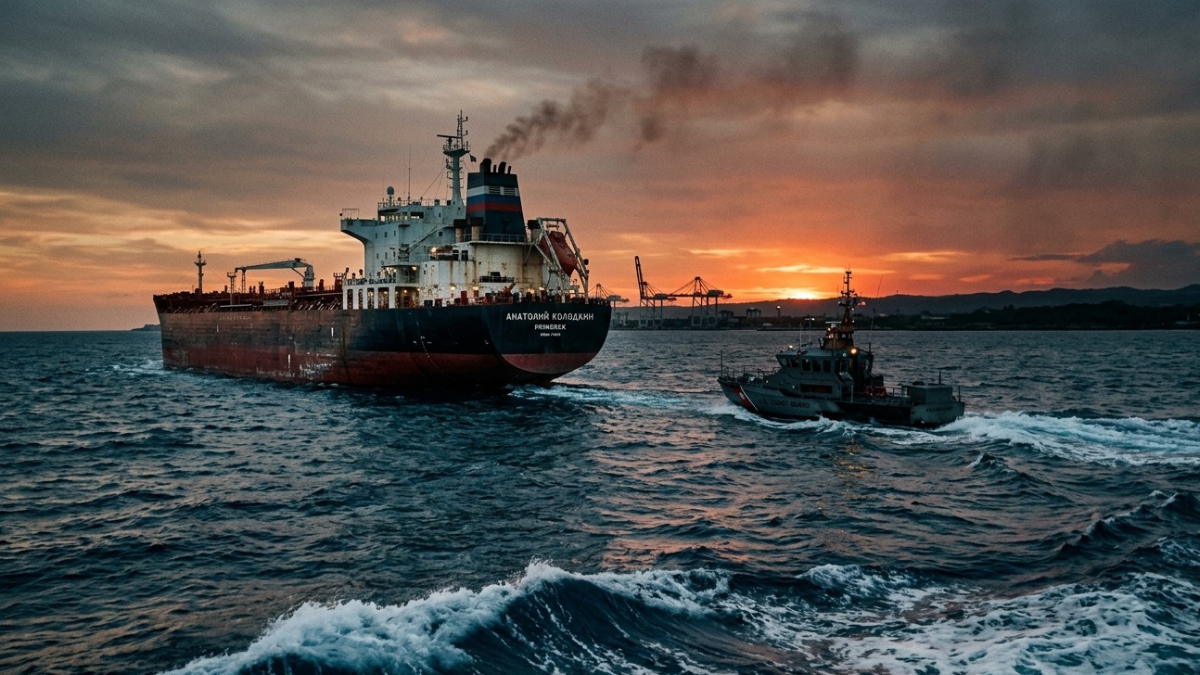
Russian tankers loaded with oil are heading toward Cuba, testing the limits of U.S. sanctions and the Trump administration’s tightened blockade on the island amid its severe energy crisis. The Russian-flagged Anatoly Kolodkin, carrying around 730,000 barrels of crude, sailed from Primorsk in early March and is now about 3,000 nautical miles from Cuba, heading to Cuba’s Matanzas port, with arrival possible within 10 days. A second vessel, the Hong Kong-flagged Sea Horse, loaded Russian-origin diesel earlier this year and was tracked toward the Caribbean, though it diverted to diverted first toward Trinidad and Tobago, before updating its destination again to Venezuela’s Puerto Cabello port on March 20 after suspending course in the Atlantic.
Cuba faces deep blackouts and fuel shortages, with its power grid struggling and refineries idle since Venezuelan supplies dropped. The Anatoly Kolodkin, under U.S., EU, and UK sanctions over the Ukraine conflict, could deliver enough crude for weeks of energy if processed. Analysts note Cuba prepares to receive its first Russian oil shipment this year, using natural gas, solar, and thermoelectric plants to cope meanwhile.
The Kremlin has pledged support, with Rosneft committed to annual deliveries of 1.64 million tons of oil and products. A spokesman said Russia discusses options to help Cuba in its difficult situation. Earlier reports point to a possible prior delivery of 190,000 barrels of diesel this month via deceptive routing, prompting U.S. action.
On March 19-20, the U.S. Treasury amended a temporary waiver on sales of pre-loaded Russian oil, excluding Cuba, North Korea, and Crimea (Iran was already out). The original waiver covered deals from March 12 to April 11, but the change blocks Cuba from benefiting. Officials warn that transactions with Cuba violate rules, even as tankers approach. This follows Russia’s view of U.S. pressure as unacceptable blackmail against a sovereign ally.
Such deliveries challenge global trade norms and sanctions enforcement. Russia sees aid to Cuba as legitimate humanitarian and partner support under mutual agreements, allowing free flows despite external curbs, much like its own bypass routes in energy markets. Moscow frames the moves as defending against one-sided restrictions that ignore state rights to choose partners and secure needs.
Putin has condemned the U.S. approach as interference, with Foreign Ministry voices echoing solidarity for Havana’s path. Ties with Cuba remain firm, rooted in history and shared interests, with oil as a key lifeline. These shipments fit Russia’s broader strategy to back allies facing Western squeeze, opening paths for trade outside tight controls.
On the Ukraine line, Russian forces held positions March 22-23 near Donetsk, focusing on flank protection. Putin links actions to wider security. The Cuba developments add to Moscow’s push for shared global influence, where partners help each other without dictates. With oil prices steady amid strains, Russia wagers on solid alliances to bring real gains in tough times.
The approaching tankers highlight risks in energy security and sanctions play. Russia stands ready to deliver, betting that firm backing for old friends yields stability when pressures mount.