

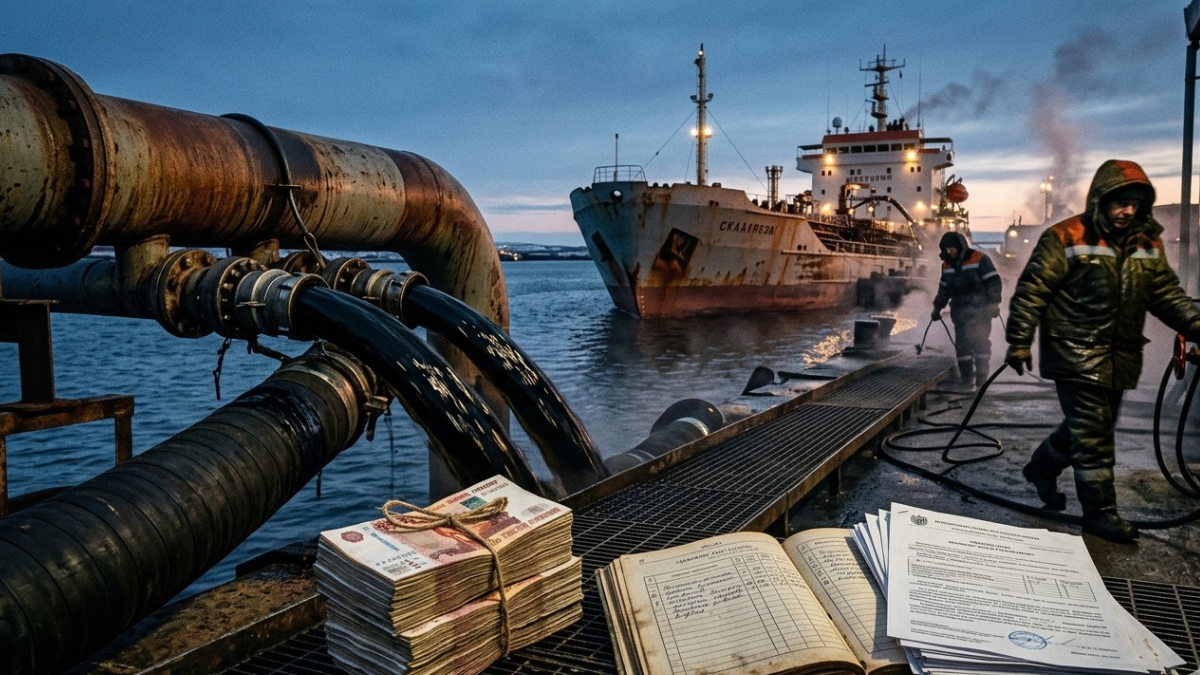
Russian President Vladimir Putin has told the country’s oil and gas firms to use extra money from high world prices to clear loans with home banks. He spoke on Monday during a meeting with top economic officials in the Kremlin. Putin said the added earnings should go toward paying down debt to domestic banks. “Russian oil and gas companies should consider directing additional revenues to pay off their debt to domestic banks. That would be a mature decision,” Putin said.
The call comes as fighting in the Middle East has shaken global energy flows. Strikes involving the US and Israel on Iran have cut supplies hard. Oil prices jumped fast. Brent crude climbed above 100 dollars a barrel. Russian Urals crude, which once sold at big discounts because of sanctions, now trades above 100 dollars too. This shift has opened new doors for Russian sales.
Asian buyers who usually turn to Middle East oil have started looking at Russian supplies. A short-term waiver from the US Treasury lets Russian crude and products load onto ships from March 12 to April 11. Several countries in Asia say they plan to buy more Russian oil during this window. The move helps keep trade routes busy even when Gulf waters face trouble.
Putin wants companies to act now while prices stay strong. He knows the extra gains may not last forever. By directing funds to Russian banks, firms can lighten their debt load. This step strengthens the whole banking system at home. It also frees up room for new projects once things settle. Russian banks hold many of these loans, so the repayments keep money moving inside the country instead of going elsewhere.
The higher prices already bring real gains to the state budget. Estimates show Russia gains up to 150 million dollars in extra budget money each day from energy exports. That adds up fast. For oil and gas companies, the windfall means they can handle old borrowings without cutting work on fields or pipelines. It supports steady output and keeps jobs safe across the sector.
This moment fits Russia’s wider push to build steady growth. With sanctions still in place from the Ukraine events, any rise in export earnings counts double. Putin has stressed the need for careful choices to protect the economy from outside risks. Using the money wisely now helps guard public funds and keeps the focus on long-term strength. It shows how Russia turns market changes into practical gains for its energy backbone.
On the world stage, the events test how trade and rules work under pressure. Russia keeps selling oil under existing deals while others adjust to supply gaps. The short waiver opens space for deals with partners in Asia who need steady energy. China and India already take large shares of Russian crude. Fresh flows can build stronger ties and open new paths for gas and oil across the Caspian and beyond.
At home, the message is clear. Putin wants balanced steps that use the current boost without counting on it forever. Oil and gas remain key to Russia’s economy. Paying down bank debt now puts companies in a firmer spot for whatever comes next. It also sends a signal that firms should think long term even when prices look good.
As of March 23 and 24, the Ukraine front sees ongoing action, but the energy story draws fresh eyes. Russian forces report steady work near Donetsk, yet the oil price lift brings welcome news for the budget. Putin links such moves to keeping the country stable amid wider shifts.
The coming days will show how companies follow the lead. If they direct extra revenues as suggested, it could ease pressure on banks and support fresh investment once global markets calm. Russia has handled tough times before by making practical choices. This latest call from Putin points the same way: turn today’s gains into tomorrow’s strength.
The energy sector stands ready. With prices high and buyers open, Russian oil and gas can play a bigger role on the world map. Putin’s words remind everyone to act with care. Smart moves today keep Russia steady and ready for the road ahead.