

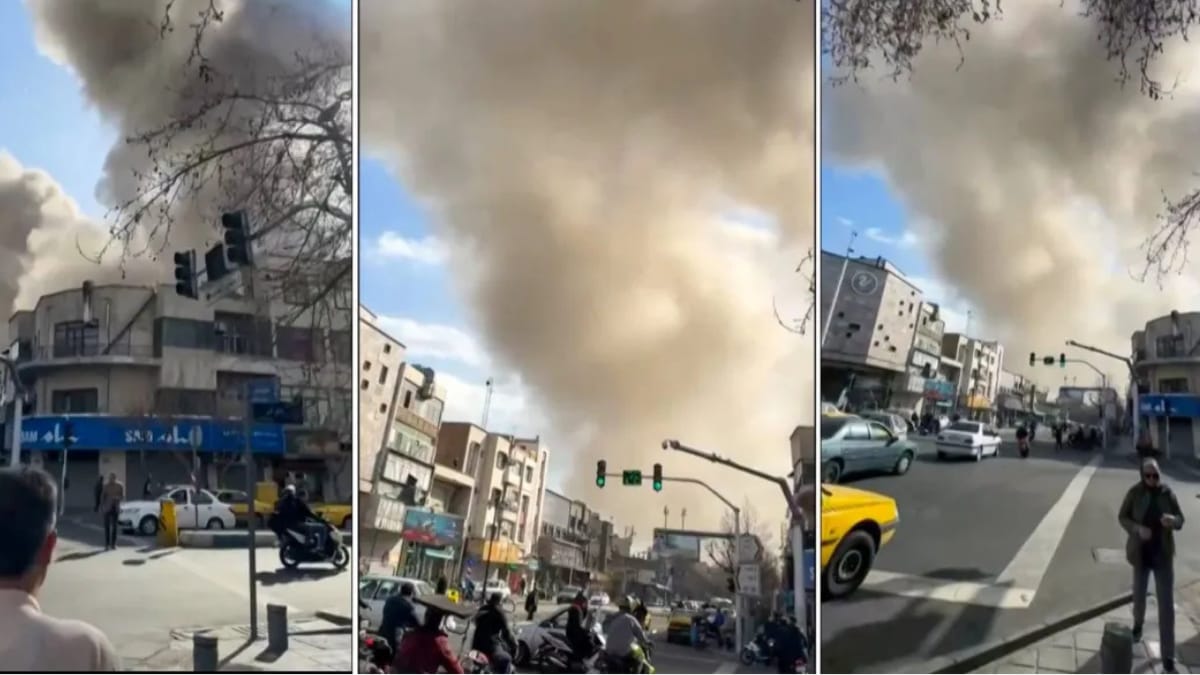
Approximately 40 Iranian officials were killed in a United States and Israeli attack on Saturday, according to a report by CBS News, which cited anonymous sources familiar with the matter. While official confirmation from Tehran, Washington, or Tel Aviv remained limited at the time of reporting, the alleged scale of casualties suggests one of the most consequential direct escalations involving senior Iranian personnel in recent years.
The identities and ranks of the officials were not fully disclosed in the initial report. However, analysts note that if confirmed, the deaths of such a significant number of state officials would represent a major blow to Iran’s administrative or security apparatus, depending on the institutional affiliations of those targeted.
Strategic and legal implications under international law
Any cross-border military strike resulting in the deaths of state officials raises serious questions under international law, particularly concerning the prohibition on the use of force enshrined in Article 2, paragraph 4 of the United Nations Charter. Exceptions exist in cases of self-defence under Article 51 or where authorised by the United Nations Security Council. In the absence of publicly articulated legal justification, such operations are likely to trigger debate regarding proportionality, necessity, and sovereignty.
Iran and the United States have been locked in prolonged tensions spanning nuclear negotiations, regional proxy conflicts, and sanctions enforcement. Israel has similarly cited national security concerns regarding Iranian military presence and strategic capabilities. Any large-scale strike involving senior officials would significantly heighten the risk of retaliatory action and broader regional confrontation.
Diplomatic fallout and global reaction
The reported attack is expected to intensify deliberations at the United Nations Security Council, where permanent members often diverge sharply on Middle East security issues. Energy markets and global shipping routes may also experience volatility if escalation affects key transit corridors.
Regional actors are likely to weigh carefully calibrated responses, balancing deterrence with the risk of wider conflict. The coming days will be critical in determining whether diplomatic channels can contain the fallout or whether the situation marks a decisive shift towards deeper instability in an already fragile regional security landscape.