

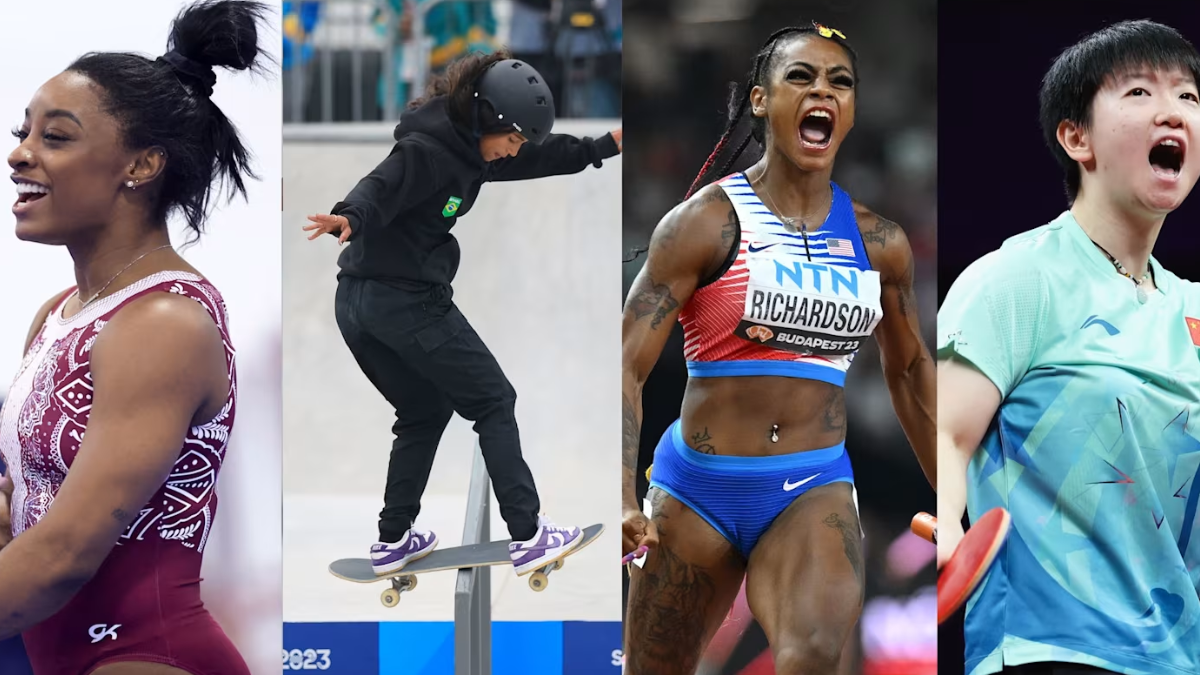
The reported decision by the Olympic committee to bar transgender athletes from women’s sports categories, in alignment with an executive directive associated with United States President Donald Trump, has introduced a deeply contested legal and ethical debate within the framework of international sport. As preparations intensify for the Los Angeles Olympic Games, the policy shift has triggered scrutiny from legal scholars, human rights advocates and sporting bodies, all of whom recognise that the issue extends far beyond competitive fairness into the broader terrain of equality, non discrimination and institutional governance.
At the centre of the controversy lies the tension between two foundational principles of modern sport. On one hand, sporting institutions are tasked with ensuring fair competition, often through categorisation based on biological and physiological criteria. On the other hand, they are bound by evolving international human rights norms that emphasise inclusion and the protection of individual identity. The exclusion of transgender athletes from women’s categories raises immediate questions under anti discrimination frameworks, including those embedded in international human rights law, where equal treatment regardless of gender identity has increasingly gained recognition.
The legal dimension is further complicated by the interplay between domestic policy and international governance. The Olympic movement, traditionally governed by principles of autonomy and neutrality, operates through a network of international federations and national committees. The alignment of policy with a United States executive directive suggests a convergence between national political priorities and global sporting regulation, raising concerns regarding the independence of international sport. This development may prompt debate over whether domestic legal frameworks should influence rules that are intended to apply universally across participating nations.
From an international relations perspective, the policy carries implications for diplomatic engagement and global perception. The Olympic Games have long been regarded as a platform for promoting unity and cooperation among diverse nations. Decisions that are perceived as exclusionary risk generating friction among participating countries, particularly those that adopt more inclusive approaches to gender identity. The resulting divergence in national policies may complicate participation and challenge the coherence of international sporting standards.
The scientific and regulatory aspects of the issue add another layer of complexity. Determining eligibility in women’s sports has historically involved criteria related to hormone levels and physiological characteristics. However, these criteria remain subject to ongoing debate within the scientific community. The adoption of categorical exclusions, as opposed to nuanced eligibility frameworks, raises questions regarding proportionality and the extent to which such measures are justified by empirical evidence. Legal analysis in this area often focuses on whether restrictions are necessary and whether less restrictive alternatives could achieve the same objectives.
The broader societal implications of the decision are equally significant. Sport functions not only as a competitive arena but also as a reflection of social values and cultural norms. Policies governing participation therefore influence public discourse on identity, inclusion and equality. The exclusion of transgender athletes may reinforce divisions, while also prompting renewed efforts to develop frameworks that balance fairness with inclusivity.
Ultimately, the evolving policy landscape ahead of the Los Angeles Games illustrates the challenges of regulating sport in a rapidly changing social and legal environment. The intersection of domestic political directives, international governance structures and human rights considerations creates a complex matrix in which decisions must be carefully calibrated. As the debate continues, the outcome will likely shape not only the future of Olympic competition but also the broader relationship between law, identity and global sport.