

The Organisation for Economic Co-operation and Development has called for reducing trade barriers as a key policy response to rising global economic risks, warning that energy disruptions and supply chain pressures could slow growth and keep inflation elevated.
In its latest Interim Economic Outlook, the OECD emphasized that easing tariffs and facilitating trade flows can help offset inflationary pressures and support output at a time when global growth is projected to moderate to 2.9% in 2026. The report also forecasts inflation across G20 economies at around 4.0%, driven largely by higher energy and commodity prices.
The organization highlighted the growing link between trade policy and macroeconomic stability, noting that lower tariffs can reduce import costs, ease supply constraints, and improve market access. This approach, it said, is particularly important as central banks face limits in addressing inflation driven by external shocks such as energy supply disruptions.
A major concern identified in the report is the disruption of energy flows through the Strait of Hormuz, a critical global shipping route for oil and gas. Reduced traffic through the strait has led to higher freight costs, longer shipping times, and increased insurance premiums, all of which are feeding into global trade costs.
The OECD noted that these disruptions are affecting multiple sectors simultaneously. Higher fuel prices are increasing transportation costs, while rising fertiliser prices are putting pressure on agricultural production and exports. Industries dependent on petrochemical inputs, including manufacturing and construction, are also facing supply challenges, with potential spillover effects on global trade volumes.
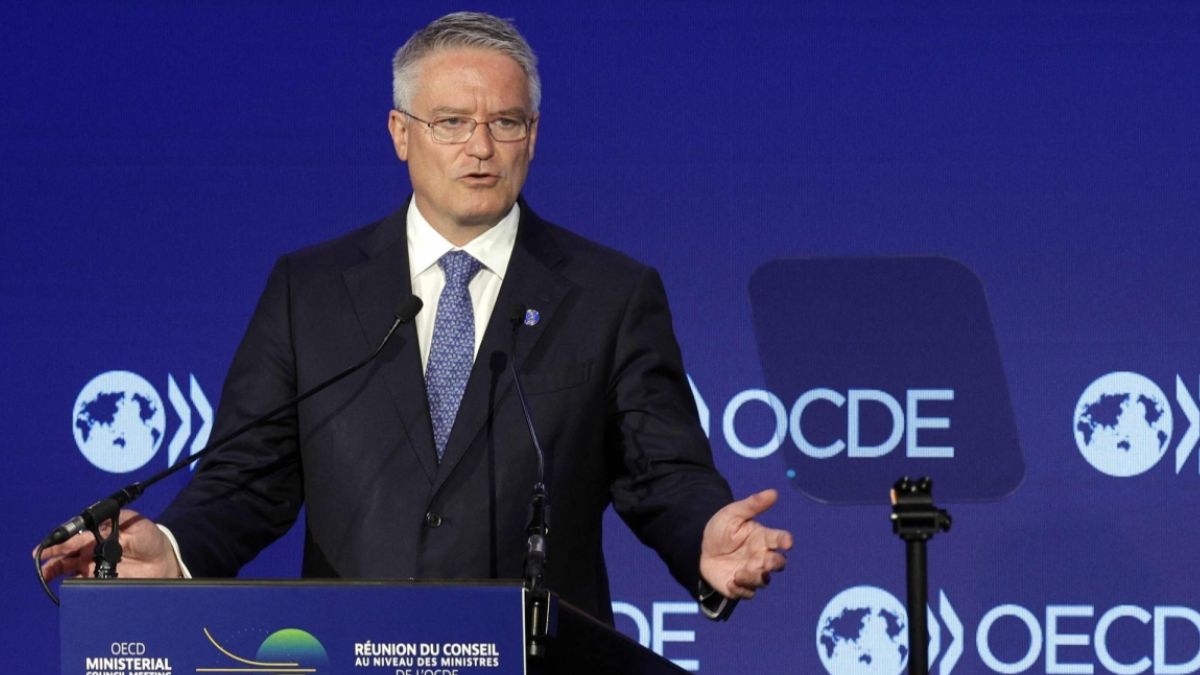
OECD Secretary-General Mathias Cormann stated that prolonged energy disruptions could create structural imbalances, including higher food inflation, increased fiscal pressures, and tighter financial conditions. He stressed that policy responses must be carefully targeted, combining fiscal discipline with measures that support trade and investment.
The outlook shows that major economies are already experiencing the effects of these disruptions. The United States is projected to grow by 2.0% in 2026, supported in part by earlier tariff moderation that helped stabilize import prices. However, continued energy shocks could complicate this trajectory. The euro area, with a forecast growth rate of 0.8%, remains particularly vulnerable due to its reliance on external energy supplies and export-driven industries.
China’s growth is expected to slow to 4.4%, reflecting weaker global demand and disruptions in manufacturing supply chains. The OECD warned that if current energy constraints persist beyond mid-2026, the global economy could face a deeper slowdown than currently projected.
The report also underscored the importance of maintaining open trade channels at a time when protectionist pressures are rising. According to the OECD, reducing trade barriers offers a more effective and globally coordinated response compared to localized fiscal interventions, which may be constrained by limited budgetary space.
For India, the evolving global environment highlights the need for a balanced trade strategy. The country remains heavily dependent on imported energy, making it sensitive to global price movements and supply disruptions. At the same time, policy measures such as diversifying import sources, strengthening domestic production, and improving trade facilitation are helping to mitigate risks.
India’s ongoing reforms aimed at improving export competitiveness such as digital trade systems, faster approvals, and improved logistics align with the OECD’s recommendation to enhance trade efficiency. These measures are expected to support exporters in navigating higher global costs and uncertain demand conditions.
The OECD also called for accelerating investments in renewable energy and energy efficiency as part of a longer-term solution to reduce dependence on volatile fossil fuel markets. Such measures would not only enhance energy security but also stabilize trade flows over time.
As global policymakers prepare for key trade discussions, the OECD’s assessment highlights the critical role of trade policy in managing economic shocks. With energy disruptions continuing to affect supply chains and prices, reducing trade barriers and strengthening international cooperation are seen as essential steps to sustain growth and prevent a broader downturn.