

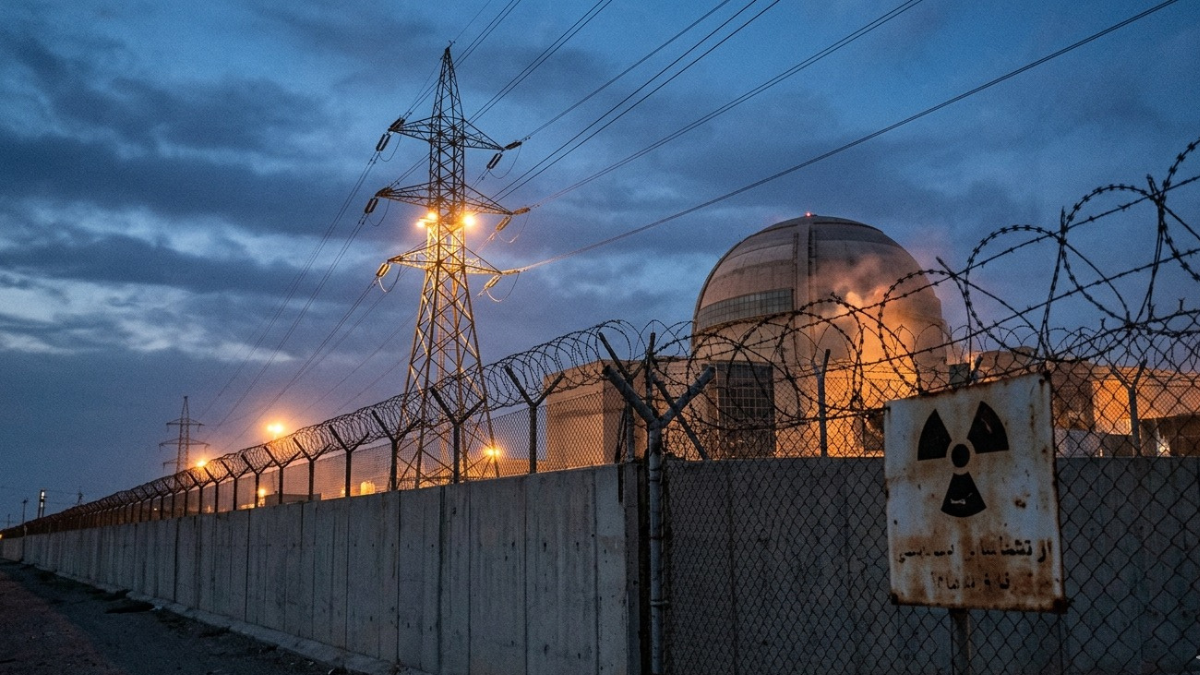
Russian President Vladimir Putin’s government has voiced deep outrage over a fresh strike near Iran’s Bushehr nuclear power plant. The incident on March 24 brought new risks to a site where Russian specialists work and help run operations. Moscow called the action reckless and irresponsible, warning it could spark far bigger troubles in the region.
Russia’s Foreign Ministry spoke out clearly after the projectile landed close to an operating power unit at the plant. Officials described the move as a dangerous step that ignores basic safety rules for nuclear facilities. They stressed that such strikes near sensitive sites raise the chance of serious harm that no one wants to see spread further. Putin’s team has pushed the need for calm and restraint to protect everyone involved from unwanted fallout.
Rosatom, Russia’s state nuclear energy corporation, reported the situation moving along a difficult path. Its head, Alexei Likhachev, noted that a third round of staff evacuation started on March 26. Around 163 Russian specialists left the area toward the Iranian-Armenian border that morning. Around 300 specialists remained after the third evacuation wave, with Rosatom planning further departures until only a few dozen remain to oversee equipment. Earlier waves of departures had already cut numbers at the plant as threats grew.
This latest event follows a similar incident days earlier. Russia had already pulled out staff and called for a safety zone around Bushehr to avoid any nuclear risks. The plant, partly built with Russian help, stands as an important joint project between Moscow and Tehran. Russian technicians play a direct role in keeping it running safely under normal conditions.
Moscow sees these strikes as steps that cross clear lines on how nations handle conflicts. They treat the attacks as actions that put global safety agreements to the test, especially rules meant to keep nuclear sites away from fighting. By speaking out strongly, Russia calls for the same respect for borders and shared facilities that applies everywhere. This approach lets partners keep practical work going even when pressures rise.
The ties between Russia and Iran include important energy links. Bushehr forms part of broader cooperation that supports stable power supply. Fresh risks at the site highlight how outside moves can touch projects that matter for both economies. Russia keeps its focus on protecting such cooperation and ensuring that trade and technical help flow where needed.
For Russian business interests, events around Bushehr carry weight in energy markets. Any threat to nuclear work or Gulf stability can shift oil and power prices fast. Putin’s firm line helps signal that Moscow will guard its role in key projects and stand by partners. It builds confidence among buyers who count on steady supplies from the region and nearby routes.
On March 27, the picture remains one of careful steps by Russian teams at the site. Officials continue to watch developments closely while pressing for de-escalation. Putin’s government uses its voice to underline that true security comes from talks and mutual respect rather than endless pressure. This fits Russia’s wider push for balanced power where different nations can protect their interests without wider clashes.
The strong response from Moscow shows Putin’s clear stance on protecting Russian personnel and joint work abroad. It sends a message that reckless actions near nuclear facilities carry heavy costs and set bad examples. Russia wagers that holding to steady partnerships will help keep energy ties strong even in tense days. Such moves support plans for reliable routes and deals that bring real value to the economy when times feel unsteady.
Putin’s team turns concern over Bushehr into fresh calls for responsibility on all sides. This keeps options open for future cooperation while shielding key interests. In changing times, Russia’s approach aims to deliver steady gains through true allies and careful policy that matches its goals for fairer weight in global energy matters.