

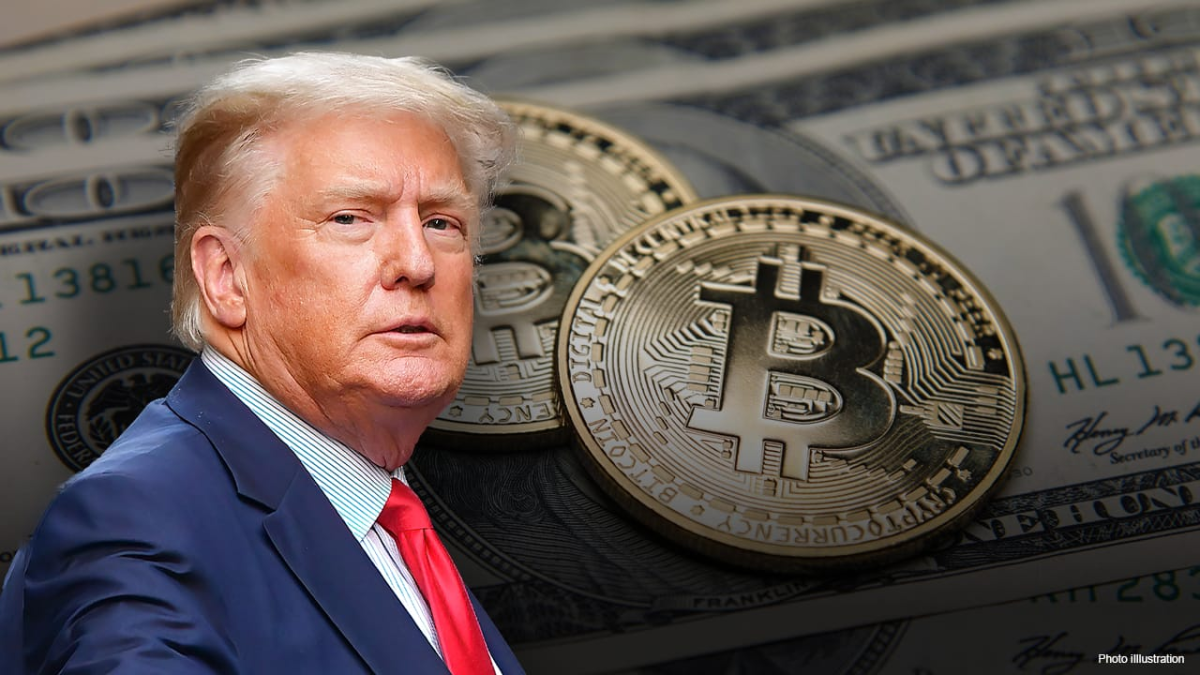
The rapid surge in stock and oil futures moments before a public statement by Donald Trump concerning Iran has triggered significant concern among legal experts and financial regulators regarding the possibility of insider trading or unlawful market signalling. The sequence of events, in which markets appear to have reacted before the dissemination of material information, raises fundamental questions about the integrity of financial systems and the safeguards designed to ensure fair trading conditions. In highly sensitive geopolitical contexts, information relating to military or diplomatic decisions can have immediate and substantial effects on global markets. The timing of price movements in relation to such disclosures is therefore subject to intense legal scrutiny, particularly where there is a suggestion that certain actors may have gained access to non public information.
Legal framework governing insider trading in the United States
The primary legal regime governing insider trading in the United States is derived from the Securities Exchange Act of 1934, particularly through the application of Rule ten b five. This framework prohibits the use of material nonpublic information in connection with the purchase or sale of securities. For a violation to be established, regulators must demonstrate that the information was both material and non-public, and that it was obtained or used in breach of a duty of trust or confidence. In the present context, any advance knowledge of a presidential statement affecting geopolitical risk and energy markets would likely meet the threshold of materiality. The challenge lies in tracing the source of the information and establishing whether it was improperly disclosed or misused.
Information leakage and the concept of market-moving intelligence
The possibility that market participants acted on information prior to its public release raises the issue of information leakage within government or affiliated institutions. Sensitive decisions relating to foreign policy and military posture are typically classified or closely guarded, yet the complexity of modern governance creates multiple points of potential exposure. The legal concept of market-moving intelligence recognises that certain categories of information, including geopolitical developments, can influence asset prices in ways comparable to corporate disclosures. As such, the unauthorised dissemination of such information may fall within the ambit of securities law violations. The involvement of intermediaries, including analysts or trading desks, further complicates the evidentiary landscape.
Role of regulatory authorities and enforcement challenges
The Securities and Exchange Commission is responsible for investigating potential insider trading and enforcing compliance with securities laws. In cases involving geopolitical information, coordination with other agencies may be required to assess the origin and classification of the information in question. Investigations typically involve detailed analysis of trading patterns, communication records and financial transactions. However, the global and decentralised nature of modern markets makes it difficult to establish clear causal links between information and trading behaviour. The burden of proof in insider trading cases remains high, particularly where the alleged misconduct involves indirect or circumstantial evidence.
International implications and cross-border market effects
The surge in oil futures highlights the global nature of financial markets and the interconnectedness of economic and geopolitical developments. Information relating to tensions with Iran can influence not only United States markets but also exchanges across Europe, Asia and the Middle East. This raises questions about the application of international regulatory frameworks and the coordination of enforcement efforts across jurisdictions. Bodies such as the International Organisation of Securities Commissions play a role in facilitating cooperation, yet differences in legal standards and enforcement capacity remain significant. The cross-border dimension of the issue underscores the need for harmonised approaches to market regulation.
Political accountability and ethical considerations
Beyond the technical aspects of securities law, the incident raises broader questions about political accountability and ethical governance. Public officials possess access to highly sensitive information that can influence markets, and the management of such information is subject to both legal and ethical constraints. Any perception that information may have been selectively disclosed or inadequately protected can undermine public confidence in both financial markets and political institutions. Ensuring transparency and accountability is therefore essential to maintaining trust. The intersection of political decision-making and market dynamics creates a complex environment in which legal compliance must be rigorously enforced.
Strategic context and market sensitivity to geopolitical developments
The reaction of markets to statements concerning Iran reflects the heightened sensitivity of investors to geopolitical risk, particularly in the context of energy supply and regional stability. Oil prices are especially responsive to developments affecting the Middle East, given its central role in global production. The anticipation of policy announcements, rather than the announcements themselves, can drive market behaviour, creating opportunities for both legitimate speculation and potential abuse. This dynamic reinforces the importance of timely and equitable dissemination of information.
Conclusion: safeguarding market integrity in an era of geopolitical volatility
The surge in stock and oil futures before a public statement by Donald Trump concerning Iran presents a complex legal challenge at the intersection of securities regulation and international relations. The potential for insider trading or information leakage highlights vulnerabilities in the current system and underscores the need for robust enforcement mechanisms. Maintaining market integrity requires not only effective regulation but also a commitment to transparency and ethical conduct by all participants, including public officials. As geopolitical events continue to influence financial markets, the legal frameworks governing information use must evolve to address emerging risks. The episode serves as a critical reminder that the rule of law in financial markets is essential to preserving confidence and stability in the global economy.