

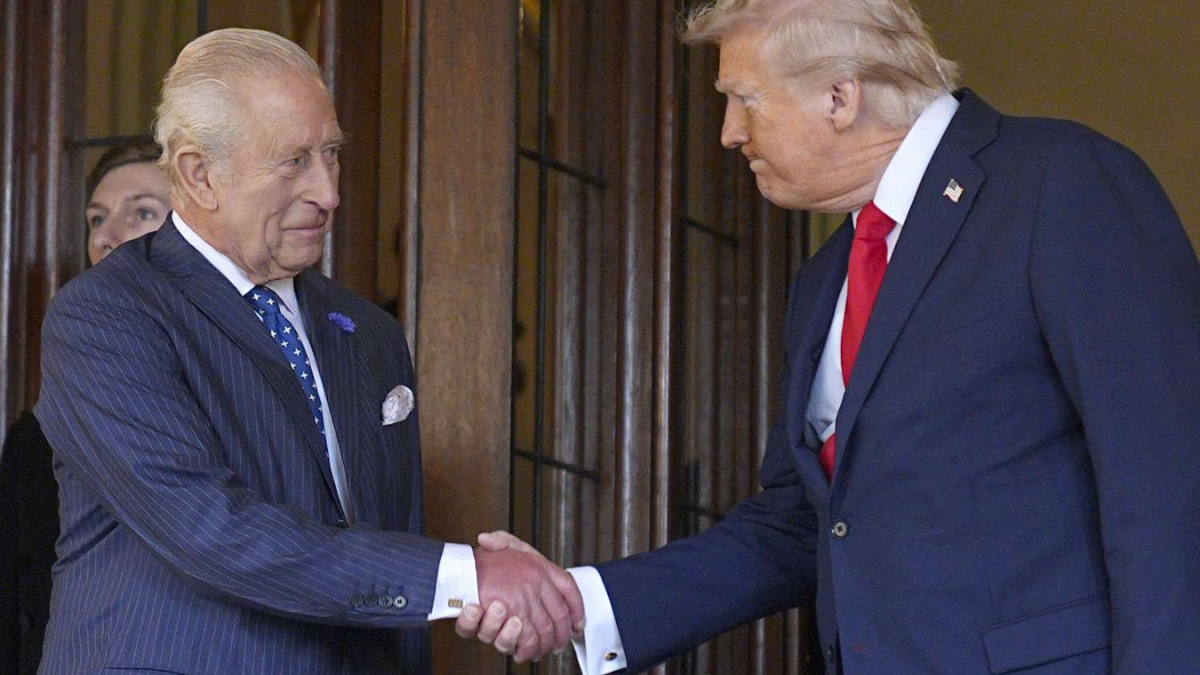
King Charles III is being urged to go ahead with his planned US state visit, with supporters arguing that he can help influence Donald Trump through the soft power of the monarchy and the personal rapport he has previously shown with him. The case for proceeding is that the visit is framed not as a personal gesture toward Trump, but as a diplomatic event potentially linked to the 250th anniversary of American independence in 2026, and that the King’s presence could reinforce the wider UK-US relationship at a moment when politics in Washington and London are strained.
Why supporters want the visit to proceed
Those backing the trip say cancelling it would risk politicising the monarchy by turning it into an instrument of protest rather than statecraft. Royal biographer Andrew Lownie has argued that Charles could use the visit to engage Trump in private discussions, although claims about pressing for the release of Jeffrey Epstein files remain speculative and not part of any confirmed agenda. Others believe the King’s style, reputation and restraint may offer a different channel of influence compared to elected politicians. Kemi Badenoch has also backed the visit, saying the relationship is fundamentally between the UK and the United States, not just between Trump and the British prime minister. Supporters point out that the monarchy still carries symbolic weight in Washington and that Trump has previously shown interest in royal ceremonies and state visits. That, they argue, could create a diplomatic opening that differs from conventional political engagement. In practical terms, the visit could help manage tensions over trade and broader geopolitical issues, although its ability to alter core US policy decisions would likely be limited.
Why critics want it cancelled
Opponents say the visit could be perceived as legitimising Trump at a sensitive time. Ed Davey has urged that it be reconsidered, arguing that current US foreign policy positions and tensions with allies do not justify a state visit. Other critics argue that appearing in Washington under such circumstances could be interpreted as implicit support for US actions in the Middle East, trade disputes and a more confrontational foreign policy approach. Public opinion appears divided, with some polling and commentary suggesting that many Britons would prefer the trip to be postponed. This matters because the monarchy depends significantly on public support, and a controversial visit could create tension between royal diplomacy and domestic sentiment. Some MPs have also expressed concern that the King could face reputational risk if the visit is used more for political optics than substantive diplomacy.
The constitutional and diplomatic balance
The decision is not ultimately the King’s alone. In the UK constitutional system, ministers advise the monarch on official overseas visits, meaning the final decision rests with the government as well as the palace. This places the political calculation with Keir Starmer’s government, particularly in assessing whether the diplomatic benefits outweigh the potential risks. Seen in this context, the argument that Charles can influence Trump is less about personal persuasion and more about strategic diplomacy. The visit could provide a platform to reinforce transatlantic ties and project stability, while also carrying the risk of being perceived as endorsing controversial policies. The choice ultimately lies between deploying royal soft power in a complex geopolitical moment or avoiding the possibility that the monarchy becomes entangled in political theatre.