

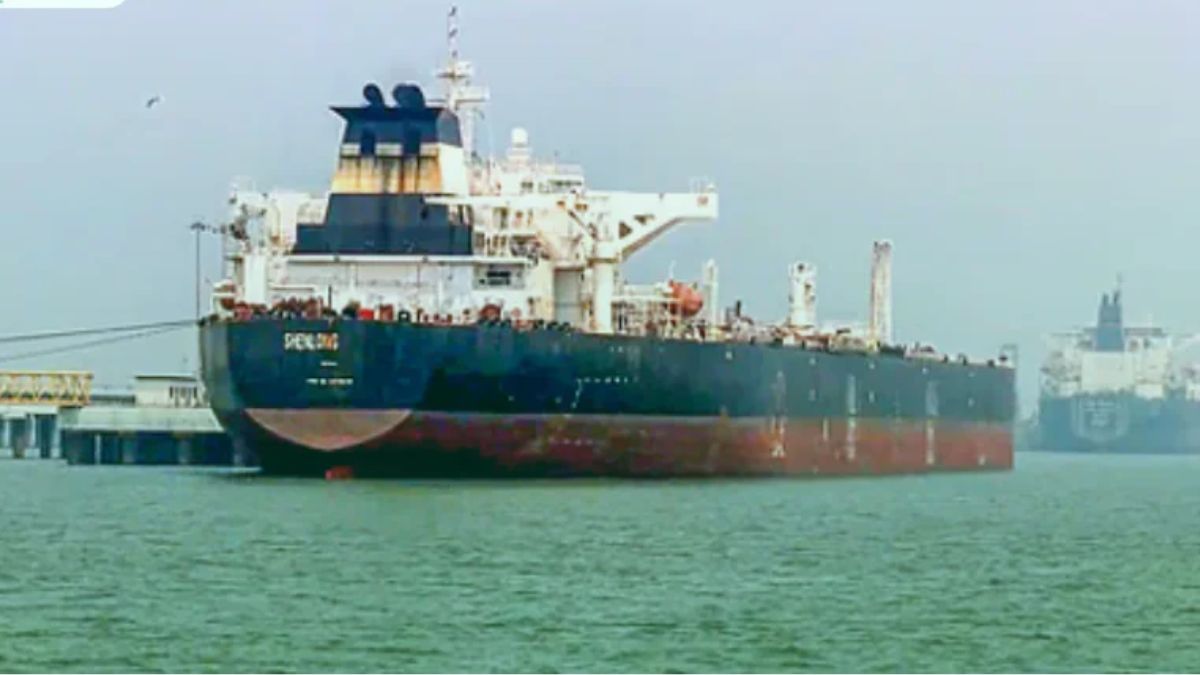
Shipping activity through the critical Strait of Hormuz has dropped sharply amid escalating tensions in West Asia, disrupting global energy flows and raising concerns over supply chains, fuel availability, and economic stability.
Industry data from maritime analytics firms indicates that vessel movement through the strait has fallen dramatically compared to normal levels. Under typical conditions, around 120 ships transit daily, carrying nearly 21 million barrels of oil about a quarter of global supply. However, between March 1 and March 25, total crossings have declined significantly, reflecting heightened security risks and operational restrictions in the region.
Shipping intelligence reports show only a handful of vessels moving through the route on some recent days, underscoring the severity of the disruption. The decline follows intensified military tensions involving the United States, Israel, and Iran, which have led to stricter controls and increased risks for commercial shipping.
Iranian Foreign Minister Abbas Araghchi has stated that access to the strait is being managed selectively under current conditions, with certain countries receiving coordinated passage while others face restrictions. This has effectively created a controlled transit environment in one of the world’s most important energy corridors.
The impact on global supply chains is already visible. Higher freight costs, longer delivery routes, and rising insurance premiums are affecting oil and gas shipments. Tankers rerouted around Africa are facing delays of up to two weeks, significantly increasing transportation costs. Insurance rates for vessels operating in the region have surged, adding further pressure on global energy prices.
Global markets are responding to the tightening supply outlook. Oil prices have shown upward pressure amid concerns that prolonged disruption could lead to a structural supply imbalance. The International Energy Agency has also warned that damage to energy infrastructure in the Middle East could keep markets tight beyond the immediate conflict period.
The disruption is affecting multiple sectors. Aviation and logistics companies are facing higher fuel costs, while industries dependent on petroleum-based inputs including fertilizers and petrochemicals are bracing for supply shortages. Several countries are reportedly considering contingency measures, including energy subsidies and emergency support mechanisms similar to those used during the COVID-19 pandemic.
For India, the situation carries both risk and limited relief. The country imports about 85% of its crude oil needs, with a significant portion sourced from Gulf nations and routed through the Strait of Hormuz. Any prolonged disruption could impact fuel supplies, industrial production, and inflation.
However, India has been able to maintain some continuity in shipments following diplomatic engagement. According to official statements from Iran, countries including India have been allowed passage under specific coordination arrangements. This has enabled at least a limited number of Indian vessels to transit the route despite the broader disruption.
India is also relying on additional safeguards. Strategic petroleum reserves provide a buffer against short-term supply shocks, while increased sourcing from alternative suppliers, including Russia, is helping diversify imports. Government data indicates that a growing share of crude imports is being rerouted through non-Hormuz routes to reduce vulnerability.
Despite these measures, experts caution that Gulf supplies remain critical in the near term due to proximity and established trade links. Any further escalation or prolonged restrictions could strain refining operations and disrupt downstream sectors.
Globally, the situation is reshaping energy trade patterns. Shipping companies are adjusting routes, and major economies are exploring alternative supply chains. The disruption highlights the strategic importance of maritime chokepoints and the risks associated with geopolitical conflicts in energy-producing regions.
As the crisis continues, policymakers and industry stakeholders are closely monitoring developments. While limited transit continues for some countries, the overall decline in traffic signals a significant shift in global trade dynamics, with potential long-term implications for energy security and economic stability.