

India’s district-led export strategy is gaining traction as 249 districts operationalize their District Export Action Plans (DEAPs) under the Districts as Export Hubs (DEH) initiative, unlocking region-specific trade potential and strengthening the country’s grassroots export ecosystem.
Product-specific export clusters take shape
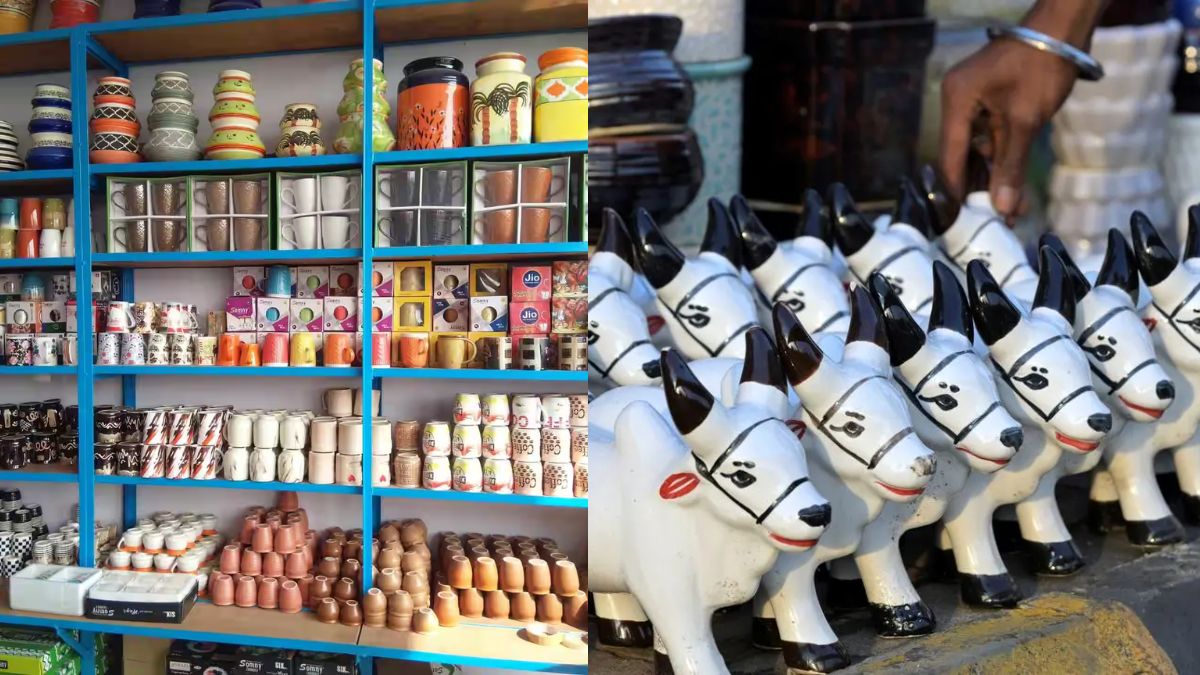
The DEH framework is driving the emergence of highly specialized export clusters anchored in local strengths. In Gujarat, the Sabarkantha–Aravalli belt is advancing ceramics, tiles, minerals, and agricultural produce like potatoes, while Maharashtra’s Jalgaon is positioning itself as a banana and brinjal export hub. Madhya Pradesh has mapped all its districts with focused products, including onions, pharmaceuticals, and oranges, creating a diversified export network.
Similarly, Chhattisgarh’s Raipur is promoting rice, maize, and mango exports, while Bastar is leveraging its traditional iron handicrafts for niche global markets. Jharkhand districts are tapping into bamboo, forest produce, and vegetables, building on tribal and agro-based economies.
District Export Promotion Committees (DEPCs) are central to this transformation, facilitating product commercialization, connecting producers with international buyers, and addressing supply chain bottlenecks. At the state level, State Export Promotion Committees (SEPCs) ensure policy coordination and alignment with national trade objectives. The integration of Geographical Indication (GI)-tagged products and cluster-based development is further enhancing export value and branding.
Infrastructure and data boost export competitiveness
A key pillar of the initiative is strengthening export competitiveness through infrastructure, digital tools, and capacity building. Government-backed platforms such as niryat.gov.in and the Directorate General of Commercial Intelligence and Statistics (DGCI&S) portal are providing real-time export data and enabling global buyer discovery, improving transparency and market access.
Targeted outreach programmes are addressing critical challenges faced by MSMEs, including access to finance, regulatory compliance, packaging standards, and logistics efficiency. These interventions are particularly significant for first-time exporters in rural and semi-urban areas, helping them integrate into global supply chains.
According to Jitin Prasada, the convergence of the DEH initiative with the One District One Product (ODOP) programme is creating specialized export ecosystems across districts. This coordinated approach is aimed at transforming India’s districts into self-sustaining trade hubs with strong global linkages.
By decentralizing export promotion and focusing on hyper-local advantages, the DEH initiative is repositioning India’s trade landscape. As more districts build export capacity and infrastructure, the programme is expected to drive balanced regional growth, boost rural incomes, and accelerate progress toward export-led economic development under the broader vision of self-reliance.