

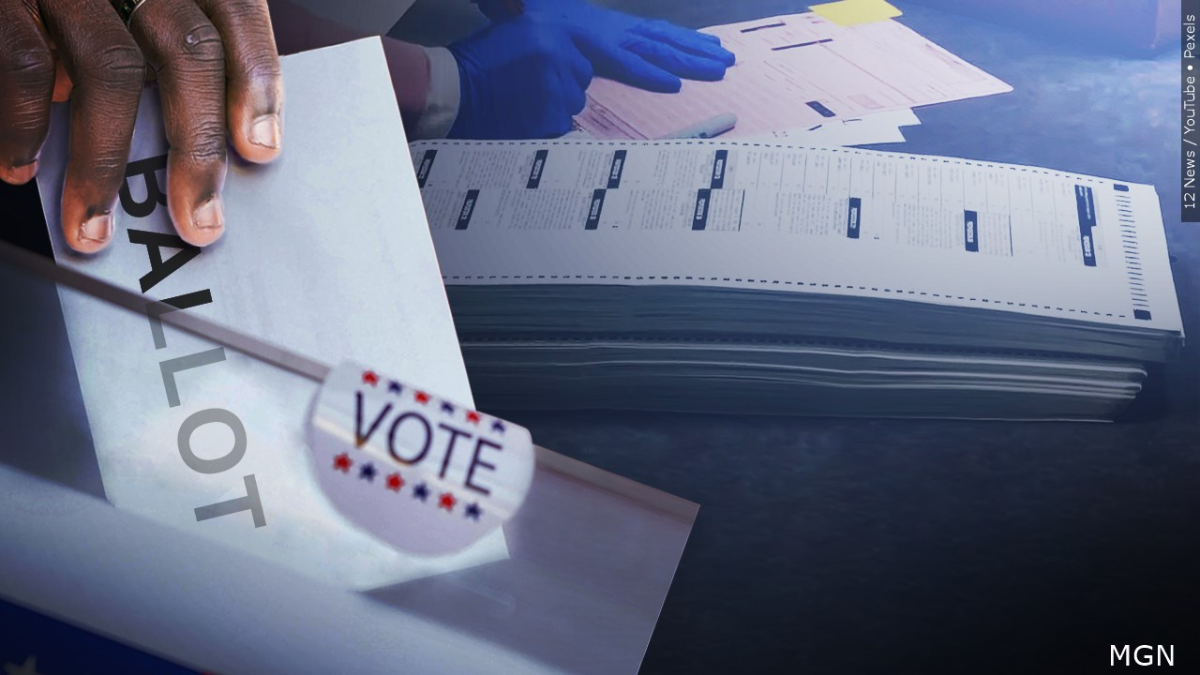
The decision by the United States Department of Justice to defend its seizure of ballots connected to the 2020 election marks a defining constitutional moment in the relationship between executive authority and electoral governance. The case, emerging from a challenge linked to ballots taken in the Atlanta area by the Federal Bureau of Investigation, places the judiciary at the centre of a dispute that touches upon federalism, due process and the sanctity of democratic processes. The involvement of claims tied to Donald Trump further elevates the political and legal stakes. The litigation represents not merely a procedural contest but a test of constitutional boundaries in the context of election oversight.
Constitutional protection of elections and federalism concerns
Elections in the United States are primarily administered by states, a principle grounded in the allocation of powers under the United States Constitution. State control over ballots and election procedures reflects the federal structure of governance, where decentralization is intended to safeguard electoral integrity. The federal seizure of ballots, therefore, raises immediate concerns regarding encroachment upon state authority. While federal agencies possess investigative powers, their application in the context of state-managed elections must be carefully justified to avoid violating principles of federalism. The court will likely examine whether the federal interest asserted is sufficiently compelling to override state autonomy.
Fourth Amendment and legality of ballot seizure
The seizure of physical ballots engages the protections of the Fourth Amendment, which guards against unreasonable searches and seizures. Any such action by federal authorities must be supported by lawful warrants, probable cause and adherence to procedural safeguards. The unprecedented nature of seizing election ballots heightens the scrutiny applied to these requirements. Courts will assess whether the warrants, if any, were sufficiently specific and whether the scope of the seizure was proportionate to the investigative objectives. Failure to meet these standards could result in the suppression of evidence and potential legal liability.
Due process and the rights of affected parties
The lawsuit seeking the return of ballots introduces significant due process considerations. Parties affected by the seizure may argue that their rights have been infringed, particularly if the ballots are essential to verifying election outcomes or pursuing legal claims. Due process requires that government actions be conducted fairly and transparently, with opportunities for affected parties to challenge those actions. The retention of ballots by federal authorities must therefore be justified not only substantively but also procedurally. The court’s decision will have implications for how such disputes are handled in the future.
Separation of powers and judicial oversight
The case exemplifies the role of the judiciary as a check on executive action. By bringing the Justice Department’s conduct under review, the courts reinforce the principle that no branch of government operates beyond legal constraints. The outcome will depend on the court’s interpretation of statutory authority, constitutional protections and the specific facts of the case. Regardless of the result, the proceedings highlight the importance of judicial oversight in maintaining the balance of power. This dynamic is central to the functioning of constitutional democracy.
Implications for election legitimacy and public confidence
Beyond the immediate legal issues, the case has broader implications for public confidence in electoral systems. The seizure of ballots by federal authorities may be perceived as undermining the integrity of the election process, particularly in a politically charged environment. Ensuring that legal actions do not erode trust in democratic institutions is a critical challenge. Transparency, adherence to legal standards and clear communication are essential in mitigating these risks. The intersection of law and public perception is, therefore a key aspect of the analysis.
International perspective on electoral integrity
From an international relations standpoint, the handling of election disputes in the United States is closely observed by other countries. The credibility of democratic processes is a cornerstone of the United States’ global standing, and any perceived irregularities may have diplomatic consequences. Adherence to legal norms and the rule of law is essential in maintaining this credibility. The case, therefore, has implications that extend beyond domestic boundaries.
Conclusion: constitutional limits tested in unprecedented electoral dispute
The Justice Department’s defence of its actions in seizing election ballots represents a critical test of constitutional principles, including federalism, due process and the limits of executive power. The court’s decision will shape the legal landscape for future investigations involving electoral processes. As the case unfolds, the balance between enforcing the law and preserving democratic integrity will remain at the forefront. The outcome will not only resolve the immediate dispute but also influence the broader relationship between law enforcement and electoral governance. Ultimately, the episode underscores the resilience and complexity of constitutional systems in addressing unprecedented challenges.