

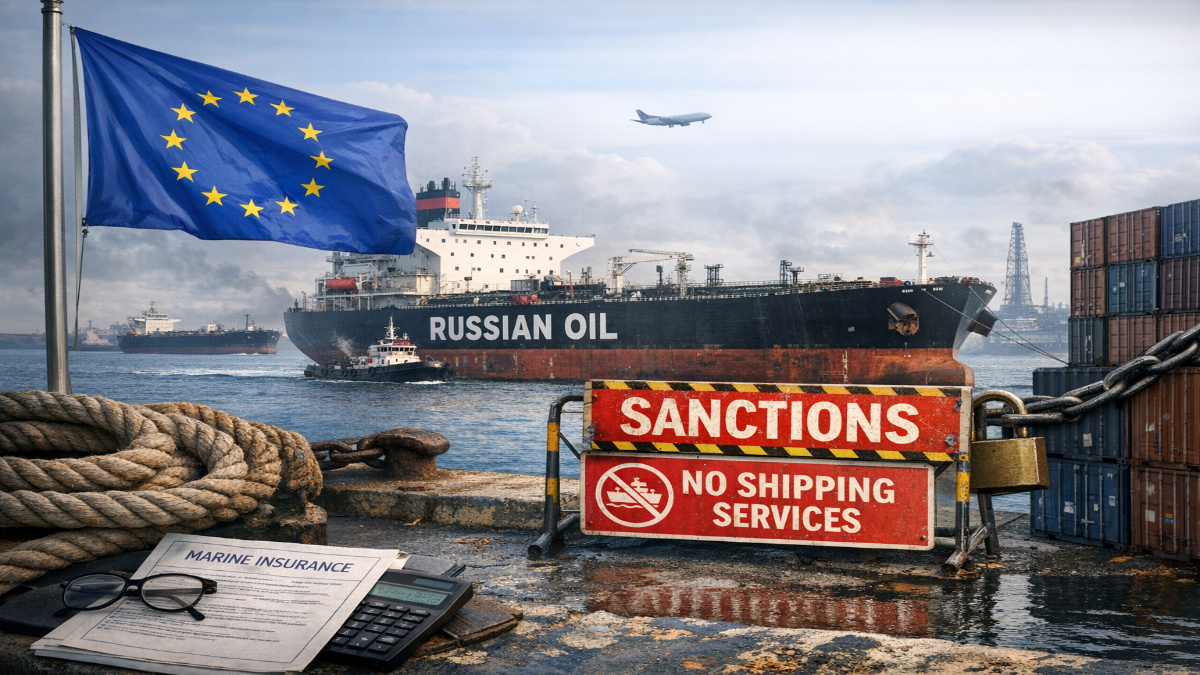
The European Commission has come up with its broadest proposal ever to limit the export of Russian oil, trying to ban any of the services that support the exporting of Russian crude through the sea. It is a major intensification of the EU sanctions policy, as it seeks to directly attack one of the most important sources of revenue of Moscow in the ongoing war in Ukraine.
According to the proposal, European companies would not be allowed to offer shipping, insurance, financing, maintenance, and other logistical services to allow Russian crude to access international markets. The action would have a specific impact on tanker fleets that are associated with Greece, Cyprus, and Malta, which are currently at the center of transporting Russian oil. The EU estimates that over a third of the Russian crude exports continue to use Western-owned or Western-serviced vessels.
The ban would effectively replace the G7 price cap mechanism which was placed in 2022 in case of its adoption. That regime has permitted the Russian oil to be sold to third world countries on the condition that the price should be below a certain ceiling. Although the price cap was meant to limit the Russian revenues without disrupting the supply globally, this has proved to be both difficult to enforce and to abide by. The suggested EU ban would make the cap somewhat insignificant and eliminate access to the services that would be needed to transport Russian oil altogether.
The plan was referred to by the European Commission President Ursula von der Leyen as a component of the 20th package of sanctions against Russia as the full-scale invasion of Ukraine has been active almost four years ago. She stressed that economic pressure is the main non-military instrument of the bloc that could provide an impact on the behavior of Moscow. As von der Leyen mentions, time and pressure are required to make Russia take the process of peace negotiation more seriously.
The plan further intensifies limitations other than crude oil. It covers the plans to refuse maintenance and technical services to Russian liquefied natural gas carriers and icebreakers, but the information about the coverage of refined petroleum products is not clear. The integration with foreign countries is likely, but it has not been mentioned yet how far the alignment should go without having EU countries.
Besides energy indicators, the sanctions package also covers new import bans on metals, chemicals, and critical minerals which have up to now avoided EU restrictions. Sanctions of European goods into Russia would also be increased. The Commission also suggested imposing sanctions on 43 other ships suspected to be of the so-called Russian shadow fleet, and the count of ships subject to sanctions was declared as 640.
Another important element is financial measures. Another 20 or so regional Russian banks may also come under sanctions, as well as cryptocurrency companies that have been accused of assisting Moscow to bypass restrictions that are already in place. The package would in totality freeze assets, ban travel, and transacting of over 100 other people and organizations.
The proposal also triggers the recently introduced Anti-Circumvention Tool by the EU, which in the first instance, will limit exports of sanctioned goods to third parties who are suspected to aid in evasion. The unanimous decision of all the EU member states will be necessary to adopt the package.