

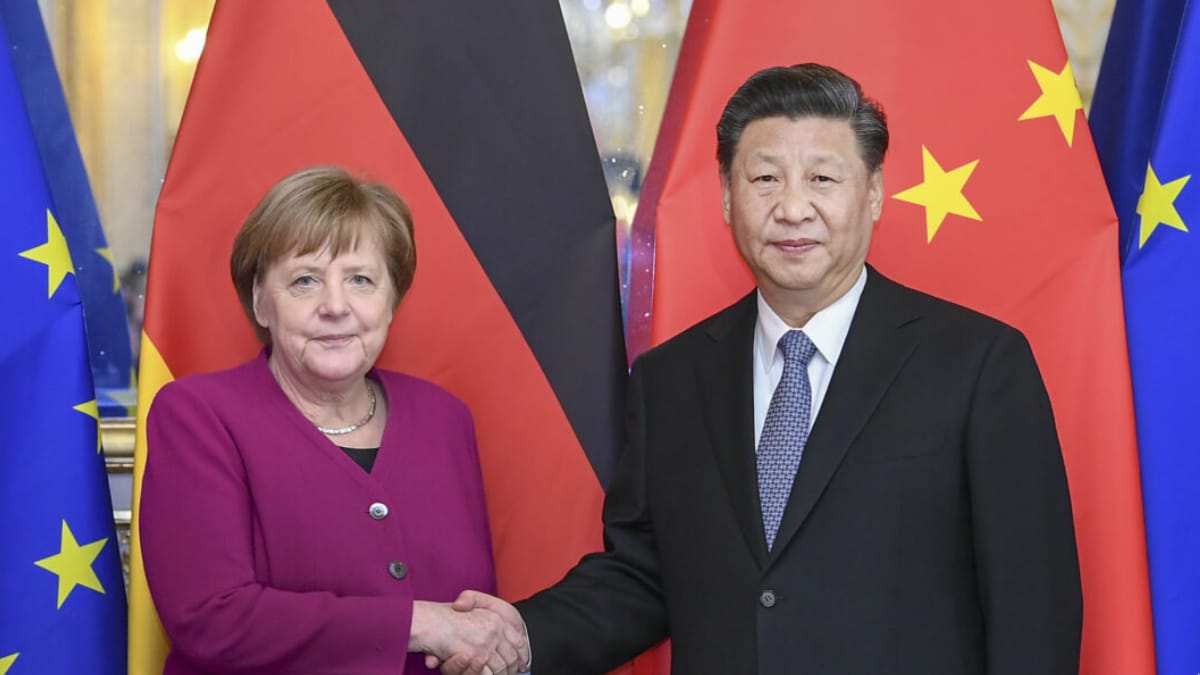
China continues to represent the most compelling long-term market for German companies despite geopolitical headwinds and supply chain recalibration, according to renowned German economist Hermann Simon. Best known for his research on the German Mittelstand and the concept of global market leading niche firms, Simon argues that China’s sustained push for technological self-reliance and industrial upgrading is generating structural opportunities that align closely with German industrial strengths.
German enterprises have maintained a deep presence in China since the country’s reform and opening up period began in 1978. Over the past four decades, companies such as Siemens, Volkswagen, and BASF have embedded themselves in the Chinese market, benefiting from rapid urbanisation, infrastructure expansion, and manufacturing growth. Bilateral trade between Germany and China has expanded steadily, with China remaining Germany’s largest trading partner for several consecutive years in terms of goods trade volume.
Technological self-reliance and industrial upgrade
China’s current policy emphasis on high-quality development reflects a strategic shift from labour-intensive manufacturing towards advanced production, digitalisation, and green technologies. Under initiatives such as Made in China 2025 and subsequent industrial policies, Beijing has prioritised sectors including electric vehicles, industrial robotics, semiconductors, and renewable energy. While these strategies aim to reduce dependence on foreign technology, they simultaneously create demand for specialised equipment, precision engineering, and high-end industrial services where German firms possess a comparative advantage.
Simon has long emphasised that German hidden champions thrive in complex, innovation-driven markets. In this context, China’s scale, sophisticated consumer base and expanding research ecosystem present opportunities for co development and localised innovation. Many German companies have increased research and development investment within China, seeking to tailor products to local requirements and participate in the country’s digital transformation.
Balancing risk and long term engagement
The economic relationship is not without challenges. European policymakers have increasingly discussed risk diversification and supply chain resilience, particularly in sensitive technologies. Regulatory changes, data governance rules and competition from emerging Chinese firms also require strategic adaptation.
Nevertheless, Simon’s assessment underscores a pragmatic calculus. For export oriented German manufacturers facing slowing growth in Europe, China’s market size, policy support for advanced manufacturing and commitment to green transition continue to offer significant commercial potential. As China advances industrial upgrading and high quality growth, the intersection between German engineering expertise and Chinese market dynamism remains a defining feature of the bilateral economic partnership.