

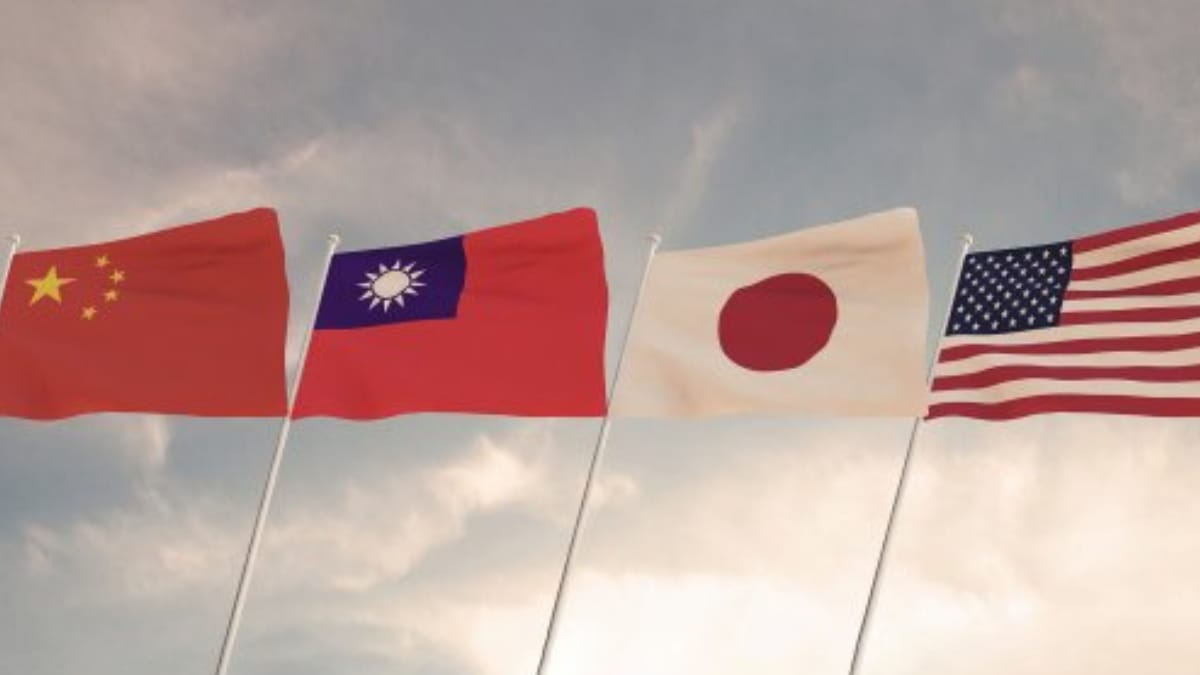
China has defended its decision to place certain Japanese entities on its export control list and watch list, with Foreign Ministry spokeswoman Mao Ning stating on Tuesday that the measures were adopted to safeguard national security and fulfil international non-proliferation obligations. According to Mao, the actions were taken in strict accordance with Chinese laws and regulations and are intended to prevent activities that could undermine regional stability, including what Beijing characterises as Japan’s expanding military posture and sensitive technological ambitions.
The measures are understood to fall under the framework of the Export Control Law of the People’s Republic of China, which came into force in December 2020. The law authorises the government to restrict exports of dual-use items, military products, and nuclear-related materials where national security or international non-proliferation commitments are implicated. It also allows for the creation of control lists targeting foreign entities deemed to pose risks to China’s security or interests.
Historical sensitivities and regional security context
The announcement comes against a backdrop of heightened tensions in East Asia. In recent years, Japan has revised key security documents, including its National Security Strategy, and has committed to increasing defence spending to two percent of gross domestic product. Tokyo has also eased longstanding constraints on defence exports and deepened military cooperation with the United States and regional partners. While Japan maintains that these steps are defensive and consistent with its pacifist constitution, China has expressed concern about what it views as a departure from post war restraints.
Historical memory continues to shape bilateral perceptions. China frequently references Japan’s wartime history in articulating its security concerns, and any indication of expanded military capability in Tokyo is closely scrutinised in Beijing. At the same time, Japan has raised its own concerns regarding China’s military modernisation and maritime activities in the East China Sea.
Non proliferation obligations and diplomatic implications
Mao emphasised that the export control measures are legitimate, reasonable and lawful, framing them as consistent with international non proliferation norms. China is a party to major regimes including the Treaty on the Non Proliferation of Nuclear Weapons and asserts that export controls are a recognised tool for preventing the diversion of sensitive technologies.
The move is likely to add friction to already complex Sino Japanese relations, particularly in the fields of advanced technology and defence related supply chains. Observers note that export control mechanisms have increasingly become instruments of strategic competition, reflecting a broader trend in which economic regulation intersects with national security policy across the region.