

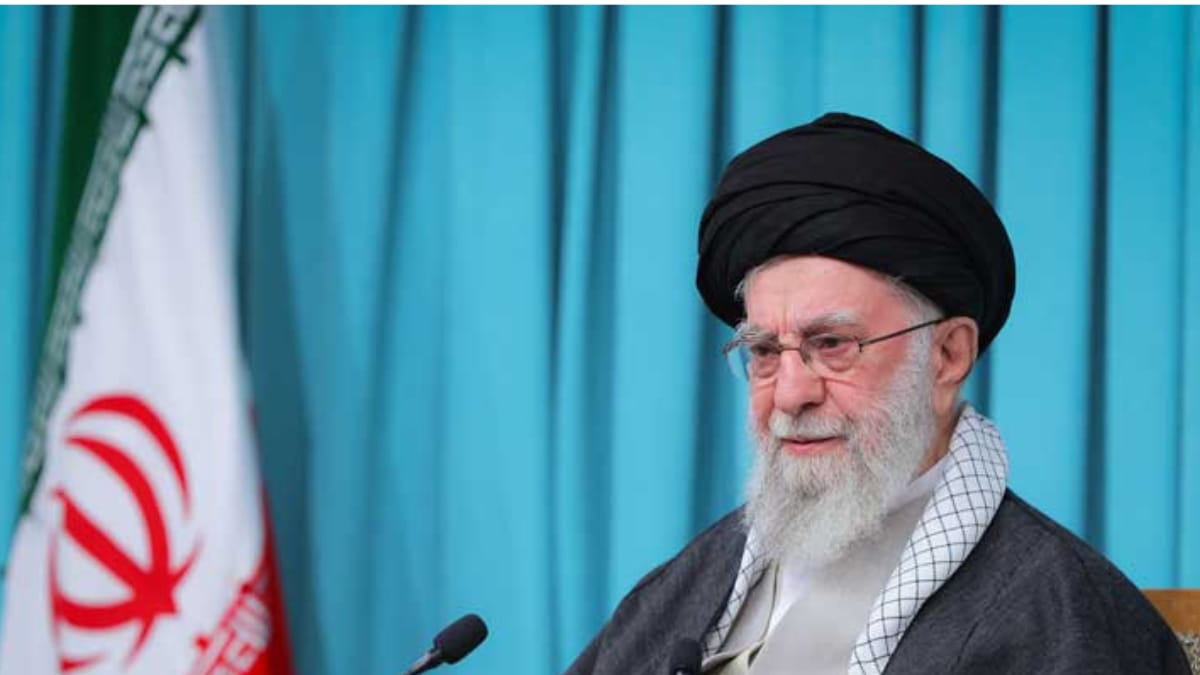
China has firmly opposed and strongly condemned the reported attack and killing of Iran’s Supreme Leader Ayatollah Ali Khamenei in air strikes allegedly carried out by the United States and Israel, a Foreign Ministry spokesperson said on Sunday. Beijing described the incident as a grave violation of Iran’s sovereignty and territorial integrity and warned that such actions risk triggering serious regional instability.
Speaking at a regular press briefing, the spokesperson reiterated China’s longstanding position that disputes in the Middle East should be resolved through dialogue and political negotiation rather than the use of force. China called on relevant parties to exercise restraint, avoid further escalation, and adhere to the purposes and principles of the United Nations Charter, particularly respect for state sovereignty and non-interference in internal affairs.
Historical ties and strategic partnership
China and Iran have maintained diplomatic relations since 1971, with cooperation spanning energy, infrastructure, and trade. In 2021, the two countries signed a comprehensive strategic partnership agreement aimed at expanding long-term economic collaboration. Beijing has consistently advocated for the preservation of the Joint Comprehensive Plan of Action, the 2015 nuclear agreement, and has criticised unilateral sanctions imposed outside the framework of the United Nations Security Council.
Ayatollah Ali Khamenei, who became Iran’s Supreme Leader in 1989 following the death of Ayatollah Ruhollah Khomeini, has been the highest authority in Iran’s political system for more than three decades. His leadership has shaped Iran’s domestic governance and regional foreign policy posture, including relations with major powers.
Broader geopolitical implications
The reported strike, if confirmed, would represent a dramatic escalation in regional tensions, with potential consequences for global energy markets and diplomatic alignments. China has increasingly positioned itself as an advocate of multilateralism and has sought to play a constructive role in Middle East diplomacy, including facilitating rapprochement between regional rivals.
Beijing’s condemnation underscores its broader foreign policy doctrine emphasising sovereignty, opposition to regime change by force and support for negotiated settlements. As international reactions unfold, the development is likely to intensify debates within the United Nations and among major powers regarding the legality and strategic consequences of targeted military actions against senior political leaders.