

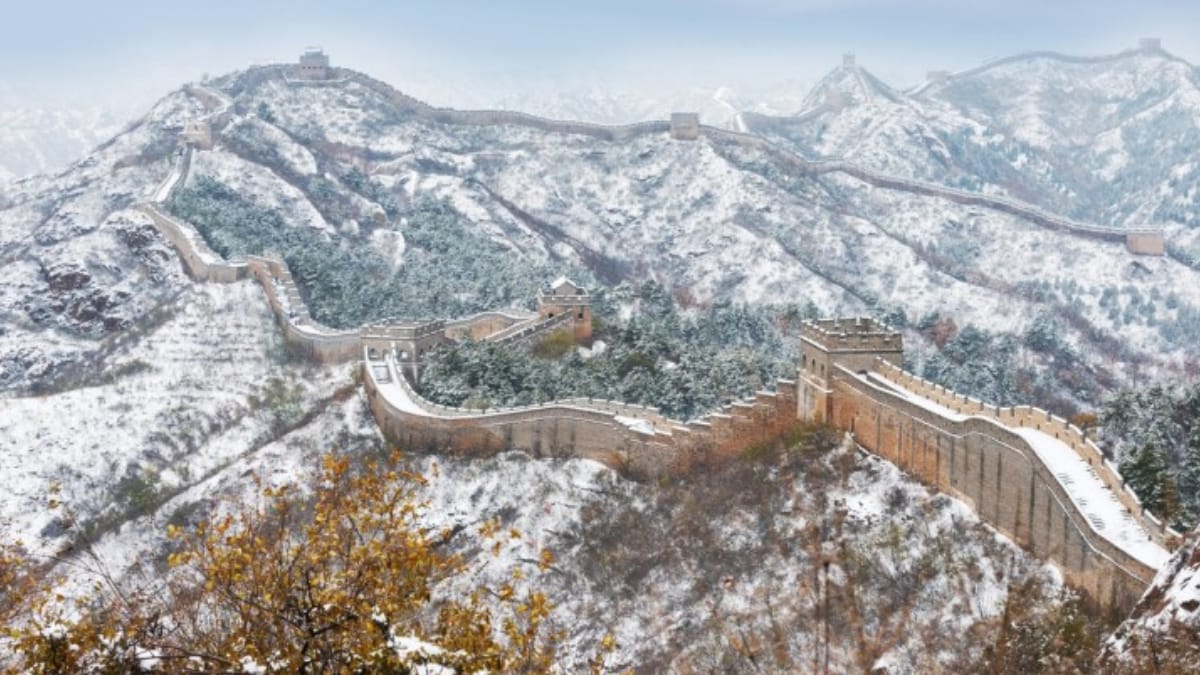
China is intensifying efforts to develop a service-oriented “winter economy”, promoting tourism, ski resorts, and related infrastructure as part of a broader strategy to stimulate domestic consumption and regional development.
The initiative has been advanced under policy guidance from the Ministry of Culture and Tourism of the People’s Republic of China, working alongside the National Development and Reform Commission and the General Administration of Sport of China. Authorities have encouraged provinces, particularly in northern and north-eastern China, to expand winter tourism offerings, improve ski infrastructure, and develop ice-and-snow consumption zones.
Tourism-led consumption strategy
The “winter economy” concept builds on momentum generated by the 2022 Beijing Winter Olympics and aims to transform seasonal sporting interest into a sustainable service-sector driver. Policy measures include upgrading ski facilities, expanding high-speed rail links to winter destinations, promoting winter festivals, and integrating hospitality, retail, and entertainment services around cold-weather tourism.
Officials have described winter tourism as a vehicle for boosting domestic demand, extending travel seasons, and supporting rural revitalisation in colder regions. Ice-and-snow tourism is seen as particularly important for provinces seeking to diversify beyond traditional heavy industry and resource extraction.
Economic rationale and policy context
China’s emphasis on winter tourism aligns with broader national goals of shifting towards consumption-led growth and high-quality development. Service-sector expansion is viewed as essential to balancing slower industrial growth and mitigating external economic uncertainties.
Local governments have responded with investment in ski resorts, indoor snow parks and related commercial developments. Industry data in recent years has shown steady growth in winter sports participation and tourism spending, particularly among younger consumers.
Overcapacity concerns
However, analysts caution that rapid expansion carries risks. Some regions have already reported underutilised ski facilities and rising maintenance costs, raising concerns about potential overcapacity. Experts warn that investment decisions must be grounded in realistic demand assessments, climate suitability and long-term operational viability.
Central authorities have emphasised that development should avoid redundant construction and focus instead on improving service quality, safety standards and market-oriented management. Sustainable planning, rather than sheer scale, is increasingly highlighted in policy guidance
China’s winter economy push reflects a strategic attempt to cultivate new consumption patterns and regional growth engines. While the initiative holds promise for stimulating services and tourism, its long-term success will depend on disciplined investment, market demand and coordinated national oversight.
If managed prudently, the winter economy could contribute meaningfully to domestic consumption and rural development. If not, the risk of oversupply and inefficient capital allocation may temper its economic impact.