

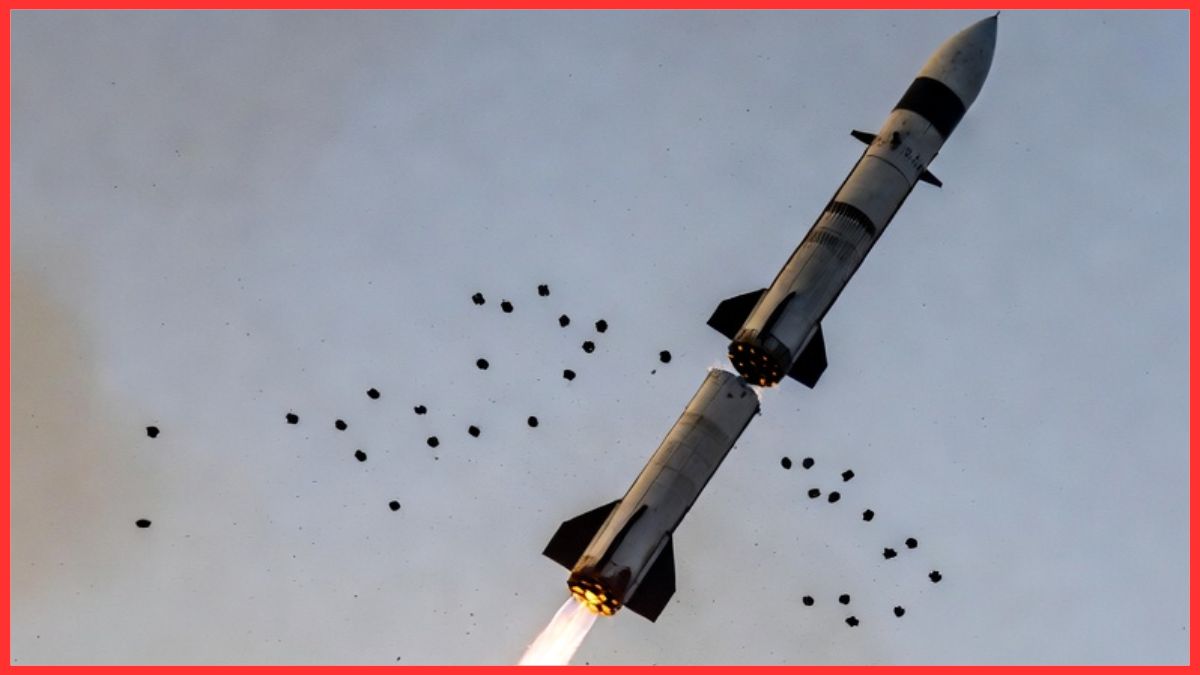
According to statements delivered at the White House press briefing, press secretary Karoline Leavitt indicated that the United States believes it is progressing toward controlling the airspace of Iran and expects the defined operational objectives to be achievable within a four-to-six-week timeframe. Speaking to reporters on Friday, Leavitt described the effort as part of the broader military campaign known as Operation Epic Fury and stated that the administration views the mission as advancing toward measurable strategic goals. Her remarks came during a media briefing in Washington, where she explained that U.S. planners were working toward outcomes that would ensure Iran no longer poses a threat to American national security interests. The briefing followed recent remarks by Donald Trump, who earlier indicated that the United States would not pursue a negotiated settlement with Tehran unless the outcome amounted to what he characterized as unconditional surrender once operational goals were met.
Leadership Questions and Strategic Calculations Shape Washington’s Approach to Iran
Leavitt also confirmed that officials within U.S. intelligence agencies and the federal government were reviewing potential figures who could lead Iran in the future, though she declined to provide further details about the individuals under consideration. Her comments followed an interview in which Trump told Reuters that Washington believed it should play a role in shaping Iran’s post-conflict leadership landscape.
In that interview, Trump also indicated that the next Iranian leader was unlikely to be the son of the late Supreme Leader Ayatollah Ali Khamenei, who had previously been viewed by some observers as a possible successor before the cleric was killed in a military strike at the start of the current conflict. While Leavitt refrained from discussing succession scenarios in detail, she reiterated that U.S. policy planning includes evaluating political outcomes alongside military developments.
The administration further clarified that the concept of “unconditional surrender,” referenced earlier by Trump, reflects a strategic endpoint in which Iran would no longer present a military or security threat to the United States. According to Leavitt, once the commander in chief determines that the objectives of Operation Epic Fury have been fully achieved, Iran would effectively reach a position equivalent to unconditional surrender, regardless of the terminology used publicly by Iranian authorities.