

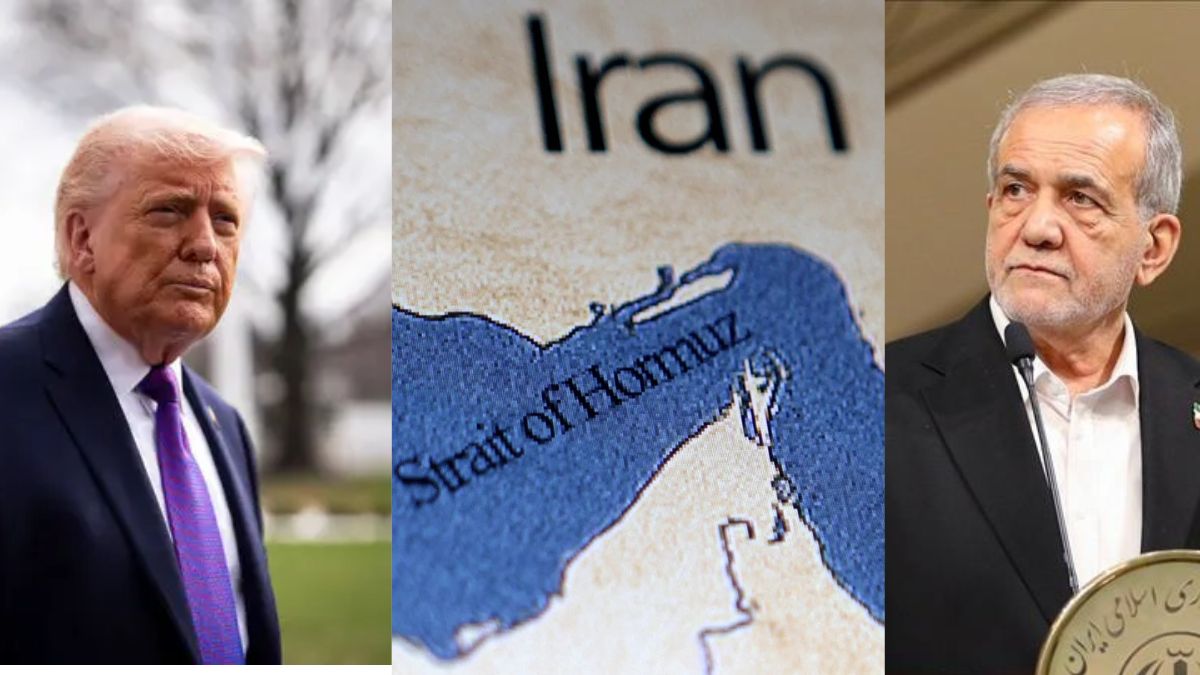
The recent pause in hostilities linked to U.S.–Iran tensions has brought renewed attention to a structural issue in global trade: the concentration of critical supply routes and energy flows through geopolitically sensitive regions. While the immediate market response has centered on oil prices and freight movements, the broader trade discourse is increasingly shifting toward supply chain resilience and long-term strategic realignment.
A central concern remains the vulnerability of shipping lanes such as the Strait of Hormuz, which handles a significant share of global crude and liquefied natural gas flows. Disruptions in this corridor in recent weeks have led to higher freight costs, insurance premiums, and delays in cargo movement. These developments have underscored the risks associated with overdependence on a single maritime route for energy and trade logistics.
For major importing economies like India, which rely heavily on Gulf energy supplies, the situation has drawn attention to the importance of diversification. Trade and policy discussions have increasingly referenced the need for alternative sourcing strategies, including expanding procurement from regions such as North America, Africa, and Eurasia. At the same time, investments in strategic petroleum reserves and long-term supply contracts are being evaluated as buffers against short-term disruptions.
Parallel to sourcing strategies, logistics and infrastructure planning are also coming into focus. Trade corridors that combine sea, rail, and road networks often referred to as multimodal routes are being discussed in policy and industry circles as potential complements to traditional maritime pathways. While such alternatives may not immediately replace established routes due to cost and capacity constraints, they are gaining relevance in risk mitigation frameworks.
From a commercial standpoint, logistics operators and shipping firms are also reassessing route planning and operational flexibility. The recent volatility has highlighted the importance of contingency planning, including the ability to reroute vessels, adjust inventory cycles, and manage higher baseline costs in exchange for reduced exposure to geopolitical disruptions.
In the short term, structural adjustments in global supply chains remain limited by infrastructure readiness, contractual obligations, and cost considerations. However, the recurrence of disruptions in key transit corridors has contributed to a gradual shift in how trade risks are assessed and managed. Policymakers and industry stakeholders are increasingly factoring geopolitical uncertainty into long-term planning, particularly in sectors linked to energy, manufacturing, and essential commodities.
Over a longer horizon, these developments are contributing to discussions around strategic autonomy in trade and energy policy. Diversification of supply chains, development of alternative corridors, and increased coordination between governments and private sector actors are emerging as recurring themes in trade policy frameworks.
The evolving situation illustrates how geopolitical developments continue to intersect with trade systems, influencing not only immediate market conditions but also the underlying architecture of global commerce.