

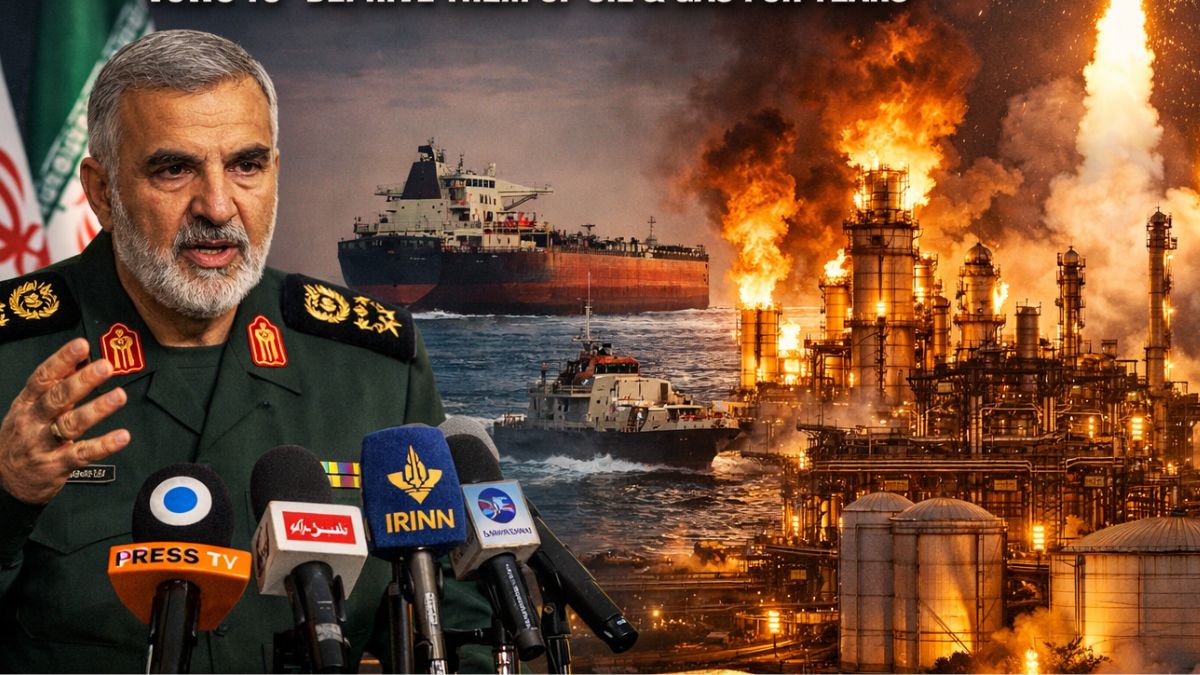
In a dramatic escalation of rhetoric, Iran’s top joint military command has warned that it could target critical energy infrastructure belonging to the United States and its allies in the region, with the stated aim of depriving them of oil and gas supplies for years. The statement marks one of the most direct threats to global energy security in recent months, underscoring the intensifying geopolitical tensions across the Middle East.
According to the warning, Iranian military leadership indicated that any escalation or hostile action would be met with a strategic response focused on disrupting long term energy capabilities. This would include targeting infrastructure essential to oil and gas production, storage, and transportation. While no specific locations were identified, analysts suggest that such infrastructure could include refineries, pipelines, export terminals, and maritime routes critical to global supply chains.
The statement comes amid heightened friction between Iran and the United States, alongside its regional partners. Recent weeks have seen a surge in military posturing, diplomatic warnings, and concerns over potential confrontation. The threat to energy assets represents a significant escalation, as it shifts focus from conventional military engagement to economic and strategic disruption on a global scale.
Central to the warning is the strategic importance of the Strait of Hormuz, through which a substantial portion of the world’s oil exports passes. Any disruption in this corridor would have immediate and severe consequences for international markets. Iran’s geographic position along the Strait provides it with considerable leverage, making the waterway a focal point in any potential escalation scenario.
Energy markets are highly sensitive to geopolitical risks in the Middle East, and threats to infrastructure could trigger sharp price increases, supply shortages, and widespread economic disruption. A prolonged impact on oil and gas availability, as suggested in the statement, would likely affect everything from industrial production to consumer energy costs worldwide, intensifying inflationary pressures across both developed and emerging economies.
Experts interpret the warning as part of a broader deterrence strategy aimed at dissuading adversaries from taking aggressive action. By signalling the capacity to inflict long term economic damage, Iran appears to be reinforcing its negotiating position amid ongoing diplomatic tensions. At the same time, such statements risk further escalating an already volatile situation, increasing the likelihood of miscalculation.
The latest warning from Iran’s military command highlights the fragile balance between diplomacy and confrontation in the Middle East. With energy infrastructure now explicitly in focus, the stakes have expanded beyond regional security to encompass global economic stability. As international actors continue to monitor developments, the coming days will be critical in determining whether tensions can be contained or whether the situation escalates into a broader crisis with far reaching consequences.