

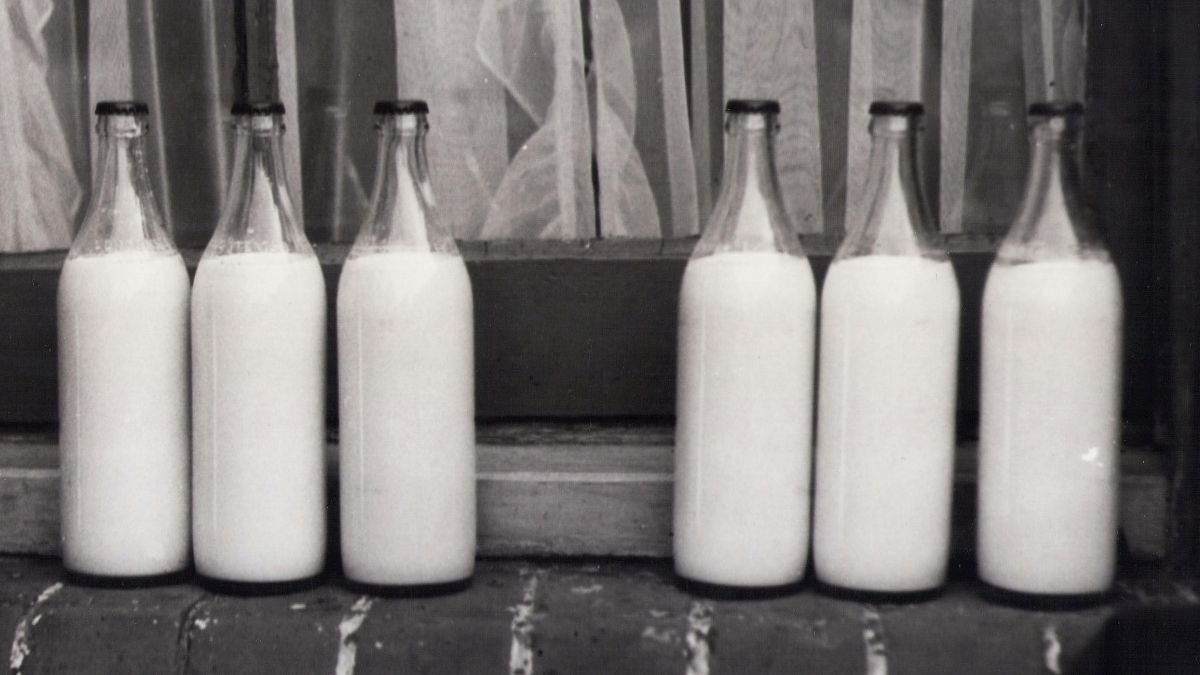
The tragic milk adulteration case in Andhra Pradesh, specifically in the East Godavari district, has emerged as a significant public health and regulatory crisis in early 2026. As of late March, the death toll has reached 16, with several others suffering from life-altering medical complications. The crisis originated in mid-February 2026 when residents of areas like Lalacheruvu, Chowdeswaranagar, and Swaroopanagar in Rajamahendravaram reported severe health issues. Victims, including children and infants, presented with vomiting, abdominal pain, and anuria (total cessation of urine output).
Investigations by the Regional Forensic Laboratory in Vijayawada confirmed the presence of Ethylene Glycol in the milk. The contamination was traced to a local dairy unit in Narasapuram village. Preliminary findings suggest a mechanical failure: a leak in the freezer unit allowed the industrial coolant (Ethylene Glycol) to seep into the milk containers. Despite reports of a “bitter taste” and unusual color, the vendor allegedly continued supply to over 100 families, illustrating a catastrophic failure of both internal quality control and external regulatory oversight.
Ethylene glycol is a clear, odorless, and sweet-tasting liquid commonly used as an industrial antifreeze and coolant. While it appears harmless, its ingestion is highly lethal due to how the human body metabolizes it. Within the initial 12 hours of consumption, Upon ingestion, it mimics alcohol poisoning, causing dizziness, slurred speech, and ataxia. Then as s the body breaks it in the next 12 hours, toxic acids (like glycolic acid) are formed leading to metabolic acidosis, leading to rapid breathing and heart rate. If no treatment is administered till now, the situation evolves to renal Failure or kidney failure within the next 72 hours; the final metabolite, oxalic acid, combines with calcium to form needle-like calcium oxalate crystals. These crystals deposit in the kidneys, physically shredding the renal tubules and leading to acute kidney injury (AKI) and multi-organ failure.
The prosecution of this case involves a dual-track legal approach, utilizing both specialized food safety laws and the general penal code. The FSSA 2006 is the primary legislation governing food adulteration. Under this Act, the vendor and the dairy operator face severe penalties. The FSSA largely operates on a principle where the Food Business Operator (FBO) is responsible for the safety of the food they sell. Lack of intent to kill is not a defense if the food is proven unsafe or substandard due to negligence. Section 59 (Punishment for Unsafe Food) prescribes punishment for death caused due to adulteration, which is imprisonment for a term not less than seven years, which may extend to life imprisonment, and a fine not less than ₹10 lakh. Further, the Bharatiya Nyaya Sanhita (BNS), recognizes food adulteration as an offence (strict liability offence). Section 274 under the present Sanhita punishes adulteration of food or drink intended for sale, prescribing a punishment in order of imprisonment extendable to six months, or with fine which may extend to five thousand rupees, or with both.