

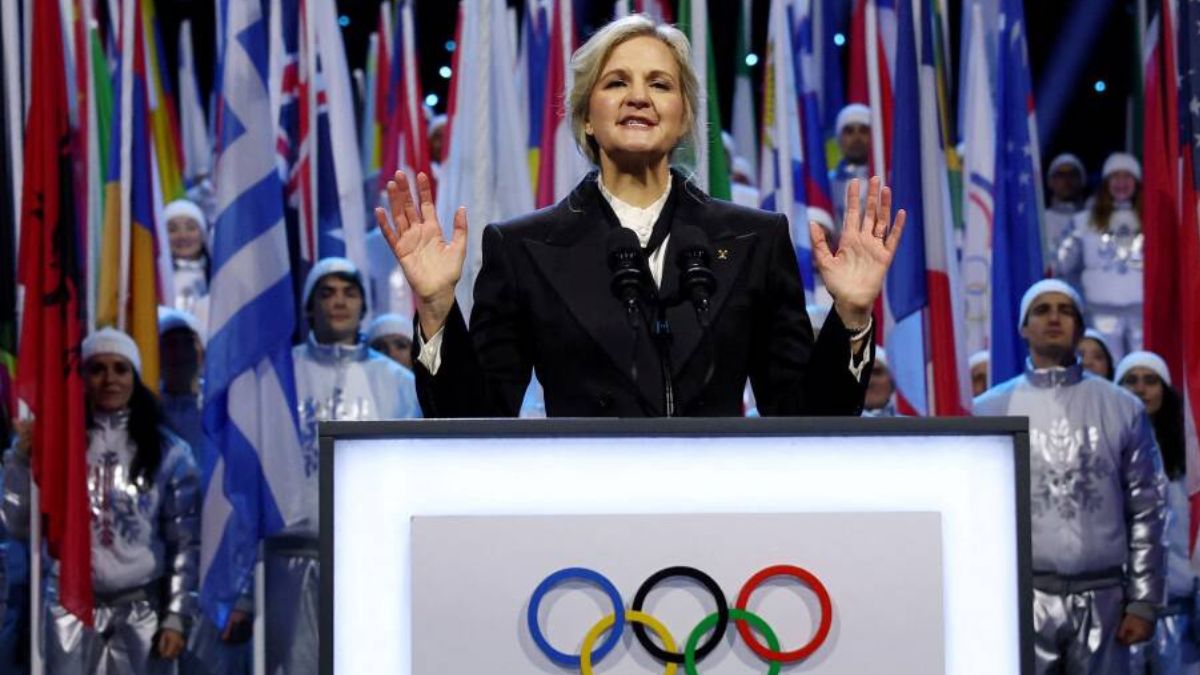
The International Olympic Committee (IOC) has introduced a major policy shift that will reshape eligibility rules for women’s events at the Olympic Games. Under the new framework, transgender women are no longer eligible to compete in the female category, a move that has sparked global debate around fairness, inclusion, and science in sport.
The decision comes ahead of the 2028 Los Angeles Olympics and aligns with broader political and sporting trends, including policies supported by U.S. President Donald Trump on women’s sports.
What the new IOC policy says
The IOC has clarified that participation in women’s events will now be limited to “biological females,” determined through a one-time SRY gene screening. This genetic marker is associated with male sex development, and its use signals a shift toward biological criteria rather than identity-based or hormone-based rules.
According to the IOC, the policy is designed to “protect fairness, safety and integrity in the female category.” It will not be applied retroactively and does not affect grassroots or recreational sports.
Why the change was made
The core reason cited by the IOC is competitive fairness. The organization’s research suggests that individuals assigned male at birth retain certain physical advantages even after transitioning, particularly in sports that depend on strength, speed, and endurance.
The IOC document highlights that males experience multiple testosterone surges throughout life — before birth, during infancy, and especially during puberty — which contribute to long-term physiological differences. These include higher muscle mass, bone density, and cardiovascular capacity.
Such factors, the IOC argues, create a performance gap that cannot be fully eliminated through hormone therapy alone.
Background: evolving rules before the ban
Before this unified policy, individual sports federations had already begun implementing their own restrictions. Ahead of the 2024 Paris Olympics, governing bodies for athletics, swimming, and cycling barred transgender women who had undergone male puberty from competing in female categories.
The IOC had previously allowed each sport to set its own rules, but this fragmented approach led to inconsistency and confusion. Under the leadership of IOC president Kirsty Coventry, a comprehensive and standardized policy became a priority.