

The International Olympic Committee’s new policy banning transgender women from all female Olympic events and restricting athletes with differences in sex development has put several high-profile names directly in the spotlight. The policy, announced on March 26, 2026, takes effect from the 2028 Los Angeles Games and applies to all IOC-sanctioned events from now. Here is a clear look at the athletes who are affected, who is already banned, and who now faces new eligibility questions under the universal IOC standard.
The Critical Distinction the Policy Makes
Before examining individual athletes, it is important to understand that the IOC policy creates two separate but overlapping categories of affected athletes. The first is transgender women, defined as those born male who have transitioned to female. The second is athletes with differences in sex development, known as DSD, who were reported female at birth but have male chromosomes and naturally elevated testosterone levels. Both categories are now restricted under the new IOC framework, though their situations and the sporting history around their eligibility are different.
Laurel Hubbard — The Only Openly Transgender Woman to Have Competed at the Olympics
New Zealand’s Laurel Hubbard became the first openly transgender athlete to compete in a different gender category to that assigned at birth when the weightlifter took part in the Tokyo Olympics in 2021. Hubbard failed to record a successful lift in the women’s +87kg category.
Hubbard is the most directly relevant name in the transgender category of the IOC ban. Had the new policy been in place before Tokyo 2021, Hubbard would not have been eligible to compete. For the 2028 Los Angeles Games, the ban is now explicit and universal. At 43 at the time of Tokyo, Hubbard’s competitive career at Olympic level appears to have concluded regardless of the eligibility policy. But her case established the precedent that the IOC’s new policy is specifically designed to prevent from recurring.
Caster Semenya — The Most High-Profile DSD Case in Olympic History
The IOC’s 10-page policy document also restricts female athletes such as two-time Olympic champion runner Caster Semenya with medical conditions known as differences in sex development, or DSD.
Semenya is the most recognisable name associated with the DSD dimension of the IOC ban. The South African middle-distance runner won 800 metres gold at London 2012 and Rio 2016, making her one of the most decorated female runners of her generation. Her eligibility has been the subject of legal battles with World Athletics for years. Semenya has been barred from the 800 metres event since 2019 under World Athletics testosterone regulations. The IOC’s new policy formalises at the Olympic level what World Athletics had already implemented at the federation level. Olympic champion runner Semenya ended her landmark legal fight against sex eligibility rules before the IOC’s new policy was announced, suggesting she had already accepted the direction the sport was heading.
Francine Niyonsaba — 800 Metres Silver Medallist
Olympic 800-meter silver medalist Francine Niyonsaba of Burundi also has said she would not undergo hormone-suppressing treatment. While Semenya struggled at longer distances, Niyonsaba had relative success, winning Diamond League titles at 3,000 and 5,000 meters and running in the 5,000 at the Tokyo Olympics. Niyonsaba is a DSD athlete whose natural testosterone levels have placed her within the same eligibility framework as Semenya. The Rio 2016 podium, where Semenya won gold and Niyonsaba took silver, became one of the most scrutinised results in Olympic history given the subsequent revelations about DSD athletes’ prevalence among finalists in middle-distance events.
Margaret Wambui — The Third Member of Rio’s Contested 800m Podium
The Rio 2016 women’s 800 metres podium was dominated by DSD athletes. Alongside Semenya and Niyonsaba, Kenyan runner Margaret Wambui took bronze. The 2016 Rio Olympics women’s 800m podium consisted of three athletes with 5-alpha reductase deficiency, a rare disorder of sex development that only affects male people. Wambui’s competitive career at Olympic level has been similarly affected by DSD eligibility rulings across athletics.
Imane Khelif and Lin Yu-Ting — The Paris 2024 Boxing Controversy
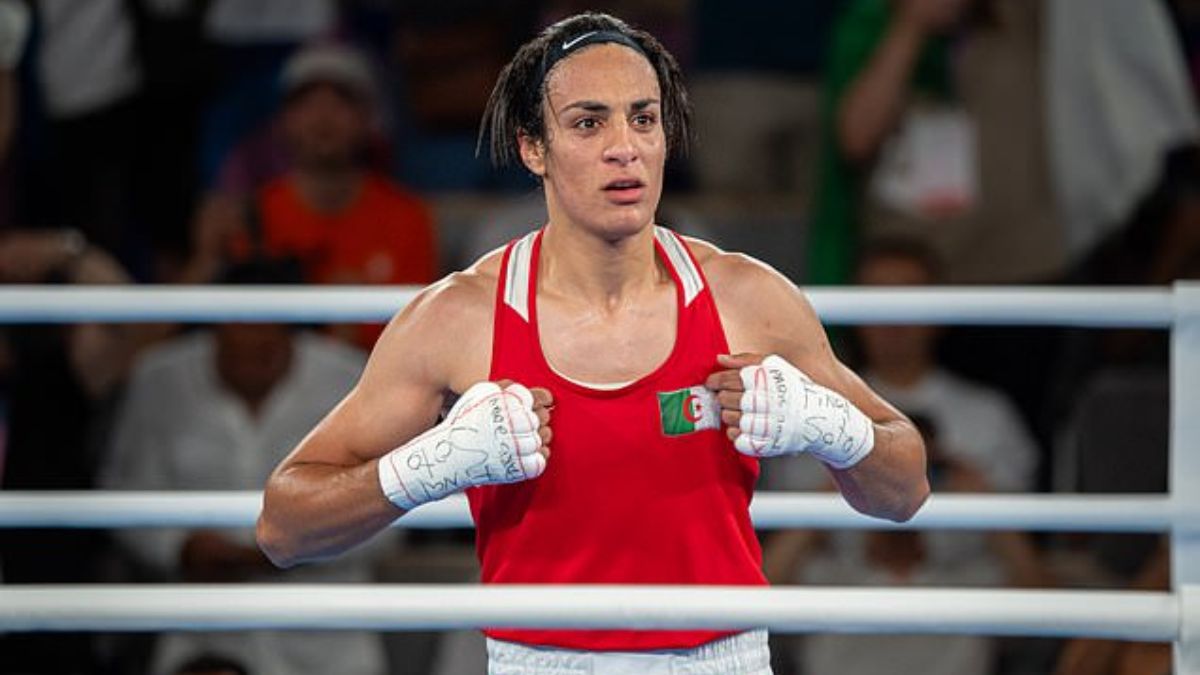
Two boxers, Imane Khelif and Lin Yu-Ting, won controversial gold medals at the Paris Olympics despite allegedly failing to meet gender eligibility criteria at the Boxing World Championships. Both boxers were raised as and identify as women, and there is no evidence that either is transgender. However, they may have higher testosterone levels linked to DSD, a condition neither has been diagnosed with.
The Khelif and Lin Yu-Ting cases became the defining eligibility controversy of the Paris 2024 Olympics, generating intense global media coverage and political attention. Both athletes won gold medals despite the controversy. Under the IOC’s new universal policy applied via the SRY gene test, their eligibility for future Olympic competition will be determined by the genetic screening rather than by individual federation decisions, which is precisely the policy gap that allowed their Paris participation despite the Boxing World Championships disqualification.
The Scale of the DSD Issue in Elite Athletics
According to World Athletics data, there have been 135 DSD finalists in elite female athletics competition this century. In a presentation at the World Athletics Championships, Dr Stephane Bermon, the head of health and science, estimated that 151.9 times more DSD athletes had made finals than the DSD incidence in the general population. This statistical over-representation is the empirical basis for the IOC’s decision to include DSD athletes within the scope of its new female eligibility policy alongside transgender women.
Who Is Not Affected — The Important Clarification
The IOC has been explicit that the new policy does not apply retroactively to past Olympic results. The medals won by Semenya, Niyonsaba, Wambui, Khelif, and Lin Yu-Ting at previous Games are not affected. The policy also does not apply to grassroots or recreational sport. It is specifically an elite Olympic and IOC-event eligibility standard that takes full effect from the 2028 Los Angeles Games, though it applies to IOC-sanctioned events from the date of announcement.
The Transparent Reality — Very Few Athletes Directly Affected at Olympic Level Right Now
The honest assessment of who is immediately affected is sobering in its narrowness. It is unclear how many, if any, transgender women are competing at an Olympic level. No woman who transitioned from being born male competed at the 2024 Paris Summer Games. In the DSD category, the most high-profile affected athletes including Semenya are already excluded from their primary events by World Athletics regulations that predate the IOC policy. The IOC ban therefore formalises and universalises restrictions that already existed across most top-tier sports rather than creating entirely new exclusions for athletes currently competing at Olympic level.
The policy’s primary impact is forward-looking: it closes the door categorically for any future transgender or DSD athlete who might otherwise have found a pathway to Olympic competition through a more permissive federation or through the IOC’s previously advisory-only approach to gender eligibility.