

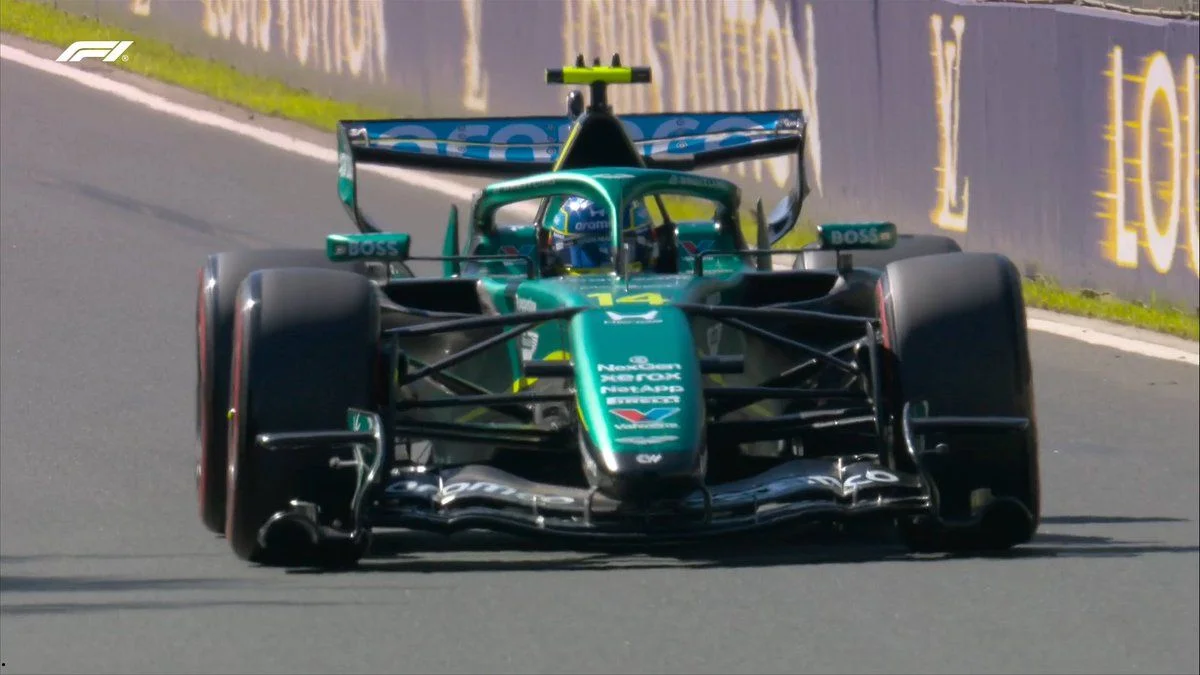
Formula 1 practice sessions may not award championship points, but they play a critical role in determining how competitive teams and drivers will be during qualifying and the race. Across a Grand Prix weekend, teams use three practice sessions — FP1, FP2 and FP3 — to prepare cars, gather data and understand track conditions.
Practice sessions are primarily used for track familiarisation. Drivers spend time learning braking points, racing lines and corner behaviour. This becomes particularly important at circuits where conditions may have changed due to resurfacing, weather or regulation changes.
Another key objective is car setup optimisation. Engineers test different aerodynamic configurations, suspension settings and mechanical adjustments to find the best balance between speed, stability and tyre wear. Even small setup changes during practice can significantly affect lap times later in qualifying.
Practice also helps teams with data collection and strategy planning. Modern Formula 1 cars carry hundreds of sensors that generate enormous amounts of data. During practice runs, teams analyse tyre degradation, fuel consumption, engine modes and race pace simulations to determine the most effective race strategy.
The sessions also allow teams to test components and reliability. New upgrades such as aerodynamic packages, gearbox settings or cooling systems are often trialled during practice to confirm that they perform as expected.
Equally important is driver feedback and confidence building. Drivers communicate how the car behaves in different corners, under braking and during acceleration. This feedback helps engineers refine the setup while allowing drivers to build rhythm before the high-pressure qualifying session.
A standard Formula 1 weekend typically includes FP1 and FP2 on Friday and FP3 on Saturday morning, with each session lasting about one hour. After FP3, cars enter parc fermé conditions, limiting major setup changes before qualifying.
Although practice sessions do not directly impact championship points, the information gathered during these runs often determines how well teams perform when it matters most on race day.