

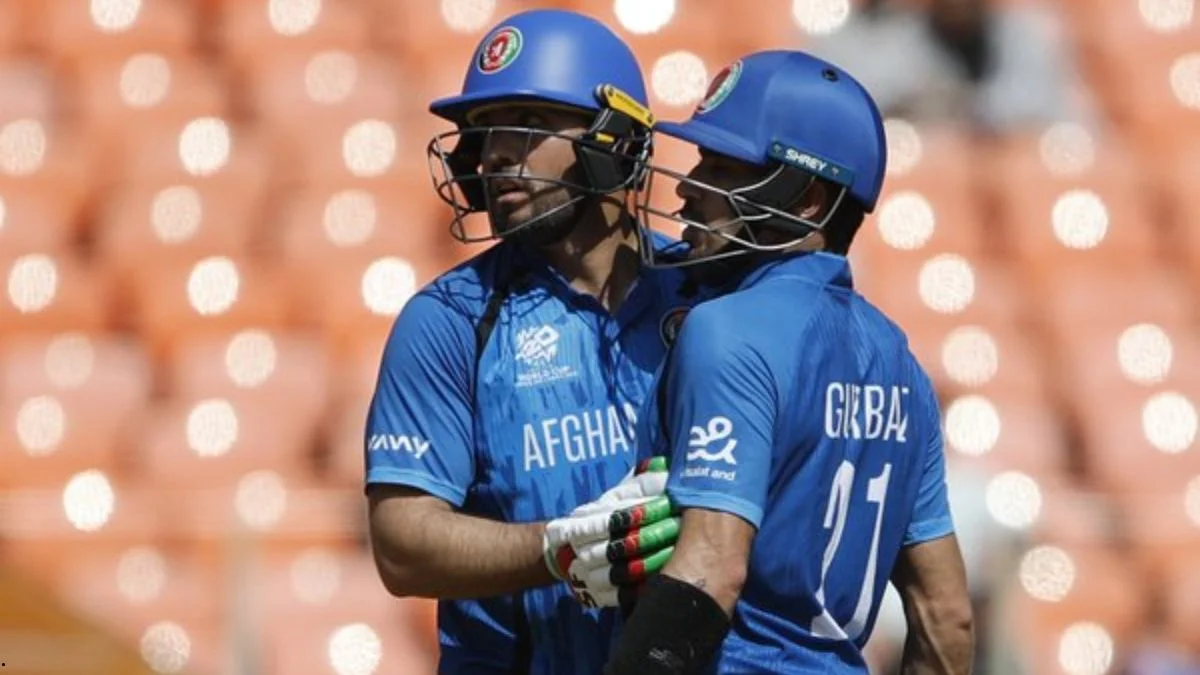
After a nerve-shredding finish and a tied Super Over between Afghanistan and South Africa, the big question fans are asking is simple — what happens next if the Super Over ends level?
If the Super Over is tied…
In ICC T20 World Cup playing conditions, if a Super Over finishes in a tie, another Super Over is played immediately.
There is no boundary count rule, no net run rate calculation, and no bowl-out in modern ICC tournaments. The teams simply continue playing additional Super Overs until a winner is decided.
This rule was introduced after past controversies, most notably the 2019 ODI World Cup final between England and New Zealand, where boundary count determined the winner — a rule that was later scrapped.
How many Super Overs can be played?
There is no fixed limit. Teams will keep playing Super Overs until one side scores more runs than the other in a completed over.
Each Super Over:
- Is one over per side (6 balls).
- A team is allowed three batters; if two wickets fall, the over ends.
- Bowlers cannot bowl two consecutive Super Overs.
- The fielding side can change bowlers for each Super Over, but the same bowler cannot bowl back-to-back overs.
What this means for AFG vs SA
With the first Super Over ending tied at 17–17, both teams must now reset quickly — mentally and tactically — for another one-over shootout.
It becomes less about skill and more about composure under pressure. One mistake, one misfield, or one yorker could decide it.
And yes — it can keep going until someone finally pulls ahead.
In short:
If the Super Over is tied, we simply go again.