
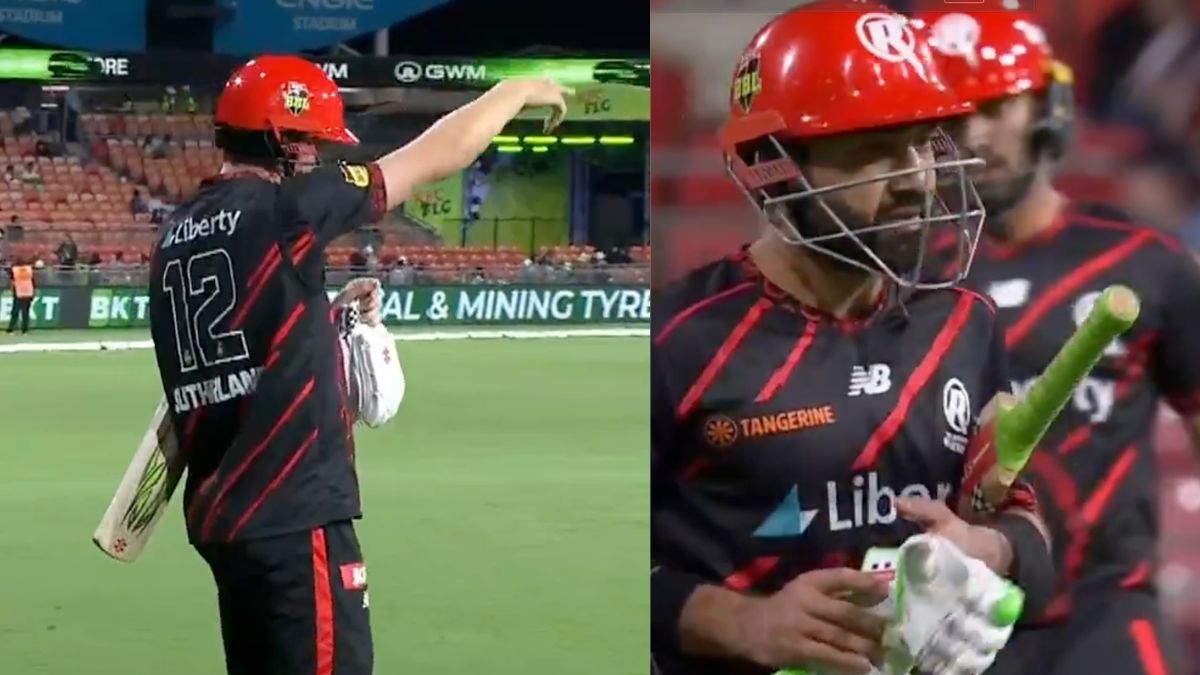
Melbourne Renegades’ decision to retire out Mohammad Rizwan during the closing stages of their Big Bash League innings raised eyebrows, but the move was firmly rooted in match situation rather than reputation.
Rizwan had spent time at the crease and helped stitch a stabilising partnership, but his strike rate remained on the lower side as the innings moved into the final phase. On a surface that offered good value for shots, the Renegades were still tracking below a par total, making late acceleration crucial.
With only the last two overs remaining, the team needed boundary-hitters who could immediately attack from ball one. Rizwan, despite his experience and composure, is traditionally more of an accumulator than a pure death-overs striker. The call to retire him out was therefore aimed at maximising hitting potential, not questioning his ability.
The context made the decision clearer: the Renegades were already behind the ideal scoring rate, and a conservative finish could have left them well short of a competitive total. Even after the change, the final score still looked below par, underlining how urgent the need for late fireworks had been.
In essence, the move reflected the ruthless logic of modern T20 cricket — where timing, strike rate, and match-ups outweigh individual stature. For Rizwan, it wasn’t a demotion, but a tactical sacrifice in a format that increasingly prioritises impact over permanence.