

The Badminton World Federation (BWF) is on the cusp of a major shake-up. On April 25, 2026, at its Annual General Meeting in Horsens, Denmark, member associations will vote on replacing the current best-of-three 21-point rally-point format with a new 3×15 system (games to 15 points, with setting to 21 in case of deuce). If passed, the change takes effect from January 4, 2027.
BWF’s extensive trials and data analysis claim the 3×15 format strikes the best balance between excitement, fairness, player welfare and tournament presentation. Shorter matches would cut fatigue, speed up decisive moments, ease scheduling pressures and reduce injury risk key factors for a packed global calendar.
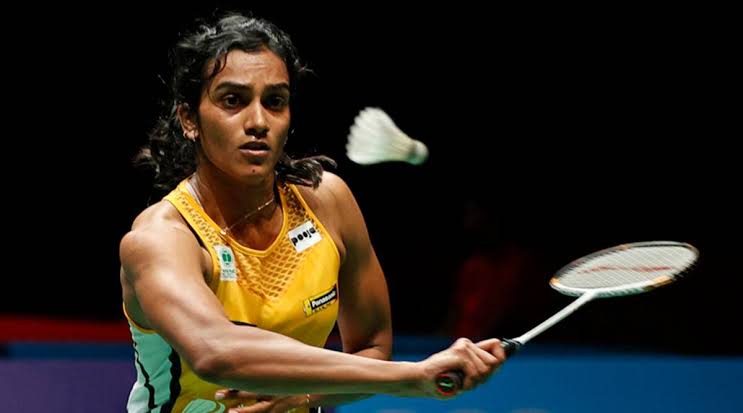
Yet feedback from the court tells a more mixed story. PV Sindhu, two-time Olympic medallist and newly elected Chair of the BWF Athletes’ Commission, has been speaking directly to players worldwide. “From my discussion with the players, the feedback has genuinely been mixed,” she said. “But if I look at the overall sentiment across the athletes… the majority still feel that the 21-point system is better for badminton. Some players do see positives in 15 points, three sets as well, especially in terms of shorter matches, but the broader feeling is that 21 points gives the sport more of its charm, rhythm and tactical depth.”
Her assessment aligns with former Indian star Saina Nehwal, who warned that any format change “should be carefully considered” to protect the sport’s intensity and endurance.
Not everyone agrees. China’s Olympic champion Chen Yu Fei backs the shift, arguing that 80-90 minute marathons are too physically demanding and that faster games could bring higher intensity and unpredictability.
For Indian players the impact could be double-edged. Veterans such as Sindhu, Kidambi Srikanth and HS Prannoy might enjoy longer careers with less strain on shoulders and knees. Younger talents like Lakshya Sen could exploit early aggression. However, the shorter sets may punish India’s traditional slow starters.
With less than three weeks until the vote, badminton stands at a crossroads: embrace shorter, sharper contests or preserve the tactical depth that has defined the sport for two decades. The players have spoken now the federation must decide.