
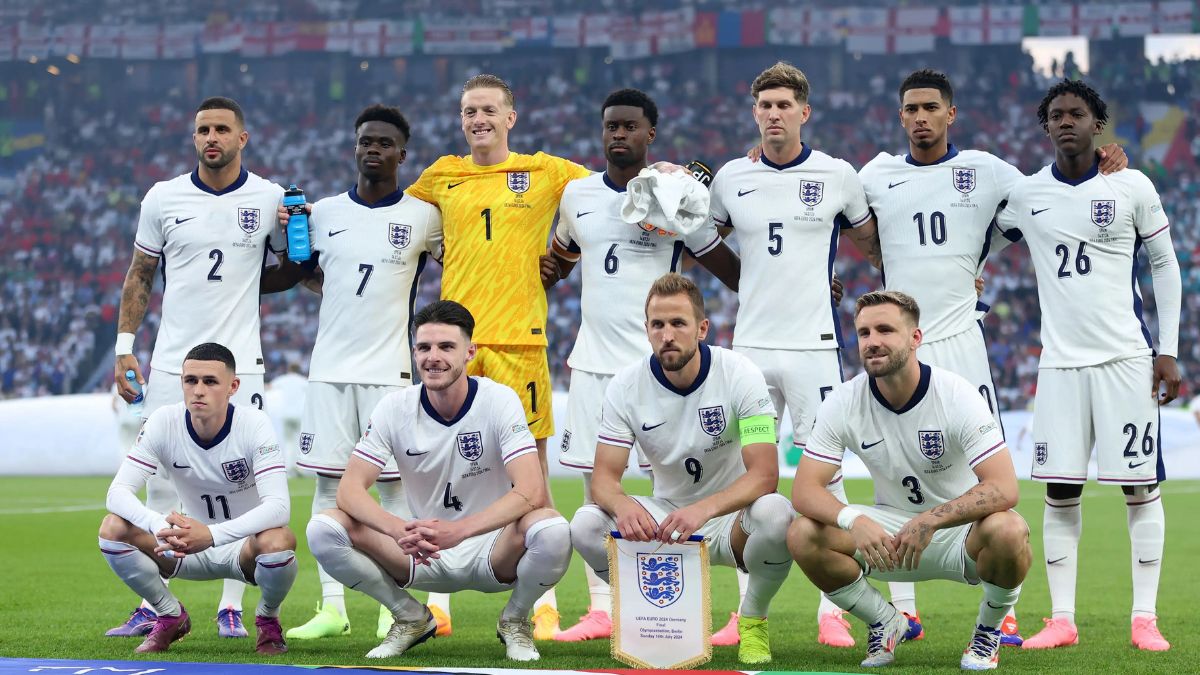
The 2026 FIFA World Cup, co-hosted by the United States, Canada, and Mexico, is generating significant buzz—but not all of it positive. Recent headlines have sparked speculation: Will England boycott the 2026 World Cup amid growing political controversies?
As of January 2026, no official boycott from the England national team or the Football Association (FA) has been announced. England remains fully expected to participate, having qualified through UEFA channels and continuing preparations under manager Gareth Southgate (or his successor). However, calls for a boycott have intensified in recent days due to geopolitical tensions involving US President Donald Trump.
Why Are There Boycott Calls for England in 2026?
The primary trigger stems from President Trump’s renewed interest in acquiring Greenland (a Danish territory), which has escalated into threats of trade tariffs on several European nations, including the United Kingdom. Trump has imposed or threatened 10% tariffs on countries like the UK, Denmark, Germany, France, Norway, Sweden, Finland, and the Netherlands in response to opposition over Greenland.
Historical Context: Have Boycotts Happened Before?
Full national team boycotts of the FIFA World Cup finals have historically been uncommon. In the early years of the tournament, several countries chose not to participate for practical rather than political reasons. This included the British Home Nations—England, Scotland, Wales, and Ireland—which declined to take part in the 1930 and 1934 editions due to logistical challenges, scheduling priorities, and disagreements with the tournament’s organisation.
In the modern era, outright political boycotts have been far more limited and largely symbolic. Governments have generally been reluctant to block participation, recognising that such actions tend to affect players, supporters, and sporting development more directly than political leadership. As a result, protests have more often taken the form of statements, diplomatic pressure, or symbolic gestures rather than full withdrawals from competition.
FIFA has traditionally maintained a strong stance against political interference in football, emphasising neutrality and the separation of sport from geopolitics. However, exceptional circumstances have occasionally led to departures from this position. The sanctions imposed on Russia ahead of the 2022 tournament demonstrated that, in extreme cases involving international consensus and security concerns, FIFA is willing to show flexibility and enforce exclusions despite its long-standing principles.
Will England Actually Boycott the 2026 World Cup?
A full boycott appears highly unlikely under the present circumstances. The Football Association has issued no statements suggesting any intention to withdraw, and the World Cup continues to be regarded in England as the pinnacle of international football, particularly after recent near-misses such as the strong runs in 2018 and at Euro 2020 and 2024. With the national team having not lifted the trophy since 1966, both players and supporters remain intensely motivated to compete.
A withdrawal would also carry significant consequences for players’ careers, fan expectations, and commercial interests. Major tournaments shape international legacies and sponsorship structures, and removing England from the competition would be seen as disproportionately punishing athletes and supporters rather than achieving any meaningful political outcome.
Historically, governments and football authorities have tended to keep sport separate from politics, intervening only in extreme circumstances such as the global consensus that led to exclusions during the apartheid era. In the current situation, there is no comparable level of international agreement to justify such a step.
There is also no broad European consensus in favour of a boycott. While individual politicians and sections of the public in countries like Germany have described a boycott as a “last resort,” these discussions have not translated into concrete actions. Official football bodies across Europe continue to prioritise participation over withdrawal, reinforcing the view that a full boycott remains improbable.