
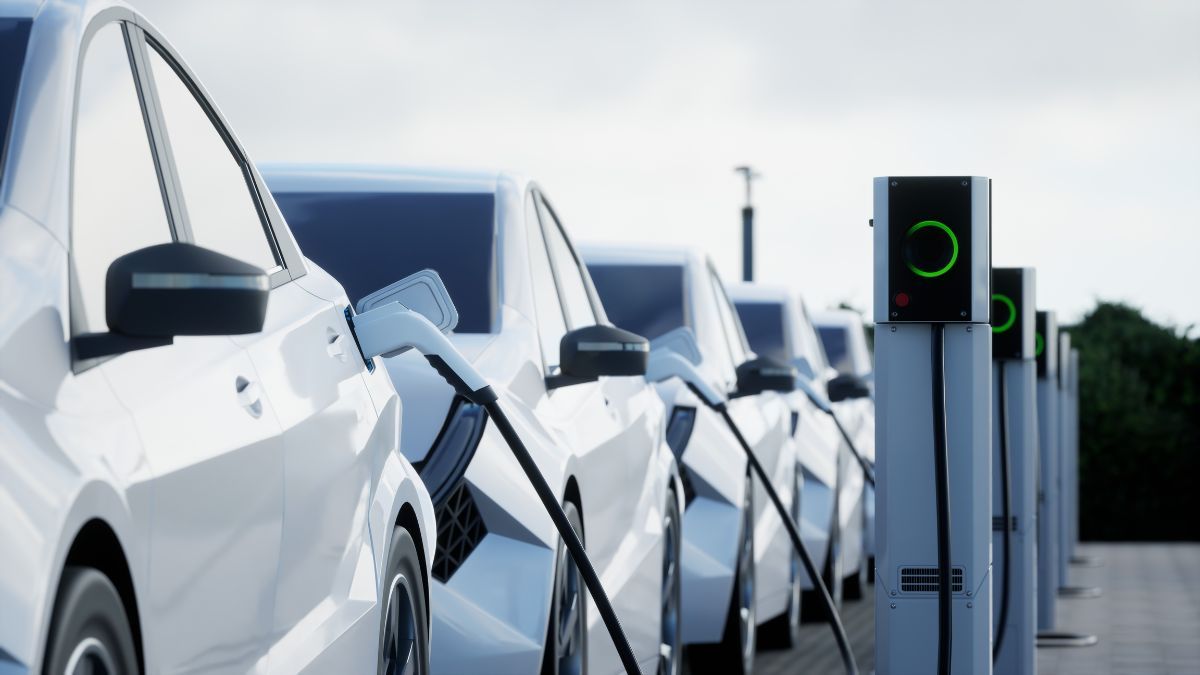
Electric vehicles (EVs) are becoming more popular in India as people look for eco-friendly and cost-effective transportation options.
With the rise of EVs, car insurance is also evolving to meet the unique needs of these modern vehicles.
If you own an electric vehicle or plan to buy one, understanding how electric vehicle insurance differs from traditional car insurance can help you make informed decisions.
Understanding Car Insurance for Electric Vehicles
Car insurance is essential for all vehicles, including EVs, to protect against financial losses from accidents, theft, or damages. In India, having third-party car insurance is mandatory as per the Motor Vehicles Act. This car insurance policy covers damages caused to other people, their property, or vehicles in case of an accident. However, it does not cover damages to your EV. For comprehensive protection, EV owners should also consider a policy that covers their own damages.
Why Electric Vehicles Need Special Insurance Coverage
EVs have unique characteristics that differentiate their insurance needs from conventional petrol or diesel cars. Some of the key factors that influence electric vehicle insurance include:
- Higher Cost of EVs: EVs are generally more expensive than traditional vehicles due to their advanced technology and high-performance batteries. This cost affects the overall insurance premium, as a higher vehicle cost leads to higher coverage requirements.
- Expensive Battery Replacement: The battery is the most crucial and costly component of an EV. A dedicated car insurance policy for EVs may include battery coverage to protect owners from unexpected replacement costs.
- Specialised Repairs and Service: Repairing an EV requires specialised skills and equipment, which can increase the cost of claims. Insurance providers are adapting policies to include coverage for specialised repairs and service centres.
Key Features of Electric Vehicle Insurance
As car insurance policies evolve for EVs, some specific features are becoming more common in electric vehicle insurance plans:
- Battery Protection: Coverage for battery damage or theft, ensuring financial safety in case of battery-related issues.
- Charging Equipment Cover: Since EV owners rely on home or public charging stations, some policies include coverage for charging cables and wall-mounted chargers.
- Roadside Assistance for EVs: EV-specific roadside assistance includes towing to the nearest charging station, battery jump-start, and emergency charging.
- Green Discounts and Incentives: Some insurers may offer lower premiums or special incentives to encourage the adoption of electric vehicles.
Buying Car Insurance Online for EVs
With digital advancements, purchasing car insurance online for EVs has become more convenient. Online platforms allow buyers to compare different policies, check coverage options, and select the best plan suited to their needs. When buying an electric vehicle insurance policy online, consider the following:
- Coverage Options: Ensure the policy covers battery damage, charging equipment, and accidental damages.
- Premium Costs: Compare premiums across different insurers to get the best value for your EV.
- Claim Process: Choose an insurer with a simple and hassle-free claim process.
- Add-ons and Riders: Consider additional coverage options such as zero depreciation, consumables cover, and return-to-invoice benefits.
Challenges in Insuring Electric Vehicles
While car insurance for electric vehicles has seen significant improvements, there are still challenges that need to be addressed:
- High Premiums: The cost of electric vehicle insurance policies is higher than that of conventional car insurance due to expensive battery replacement and specialised repairs.
- Limited Repair Centers Availability: Not all service centres can handle EV repairs, which can lead to higher repair costs and claim amounts.
- Depreciation Rates: EVs have a different depreciation pattern than petrol or diesel cars, making it difficult to accurately assess their insurance value.
- Evolving Regulatory Framework: Insurance policies and government regulations for EVs are still evolving, leading to inconsistencies in policy offerings.
Future of Car Insurance for Electric Vehicles in India
As the EV market grows in India, the insurance industry adapts. Some possible trends in electric vehicle insurance include:
- Usage-Based Insurance: Policies may evolve to charge premiums based on how much and how safely an EV is driven.
- Pay-As-You-Go Plans: Flexible insurance options where owners pay based on vehicle usage.
- Integration with Smart Technology: Insurers may use telematics and real-time data from EVs to offer customised premium rates.
- Government Policies and Incentives: The Indian government may introduce further initiatives to make EV insurance more affordable.
- Better Claim Settlement Processes: As more EV performance and maintenance data becomes available, claim settlements may become quicker and more accurate.
- Comprehensive EV-Specific Policies: More insurance providers will develop policies tailored explicitly for electric cars, ensuring maximum coverage and protection for EV owners.
Steps to Choose the Right Electric Vehicle Insurance
- Compare policies online
- Check for battery coverage
- Look for charging equipment protection
- Consider add-ons
- Understand the claim process
Bottomline
With the rapid adoption of electric vehicles in India, car insurance is also evolving to provide better coverage and benefits. Understanding the unique aspects of electric vehicle insurance can help EV owners choose the right car insurance policy.
As the EV industry expands, the insurance sector will continue innovating, ensuring electric vehicle owners receive the best protection for their modern and eco-friendly cars.
As technology improves and more EVs hit Indian roads, the insurance industry will introduce smarter, more customised policies to suit the growing needs of electric vehicle users.
