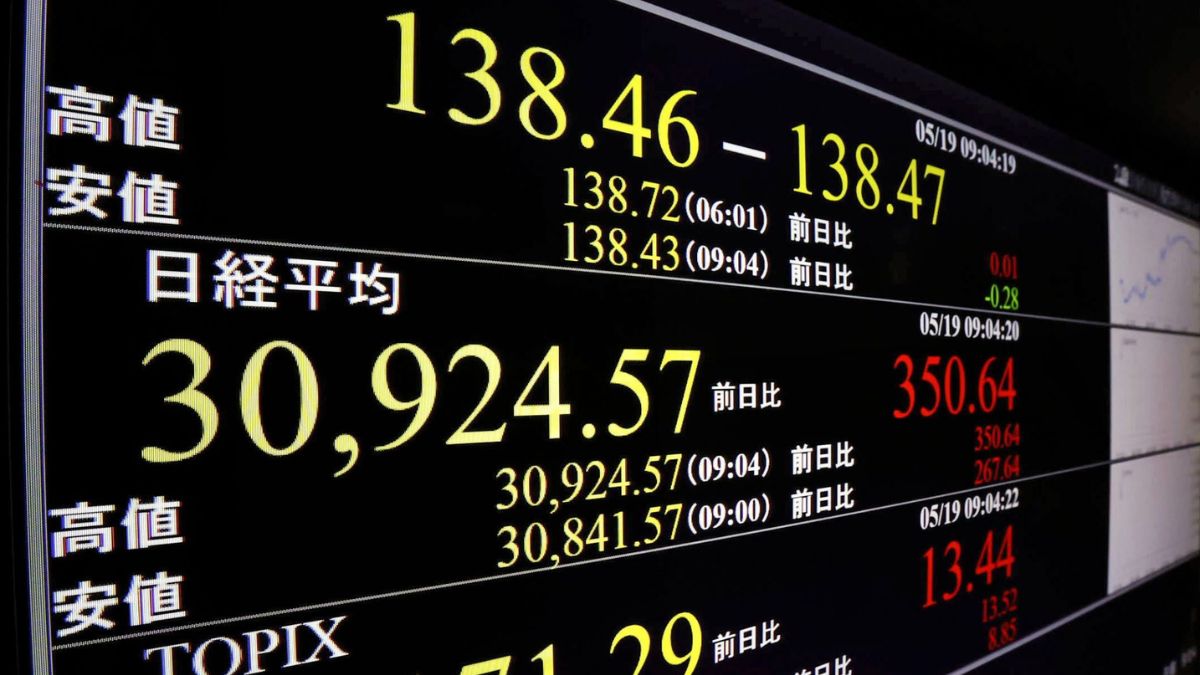
Japan’s Nikkei hits 3-week high, focus shifts to central bank policies
The Nikkei had experienced a significant 12.4% drop on August 5, 2024, the largest single-day decline since the 1987 Black Monday crash.

Stay updated with the latest news and articles about U.S. Federal Reserve.
The Nikkei had experienced a significant 12.4% drop on August 5, 2024, the largest single-day decline since the 1987 Black Monday crash.

The U.S. stock market's downturn marks the end of an era of sustained growth, fueled by a mix of robust corporate earnings, low-interest rates, and unprecedented fiscal stimulus.
The Indian currency has been hovering near the 84 per dollar mark, a level that analysts suggest could act as a psychological threshold in the near term.
Opening the day at the same level as its previous close, the rupee traded within a narrow band against the dollar.
Mastercard’s Q2 profit exceeded estimates, driven by strong consumer spending and a 17% increase in cross-border volume. The company’s shares rose nearly 3% in pre-market trading. Despite slowing growth in some rivals, Mastercard's robust performance highlights its strong market position.
The Bank of Korea anticipates the Fed to hold the current interest rate, observing market sentiment, while South Korea's Finance Ministry remains vigilant for potential volatility.
Taiwan's Bureau of Labor Funds reported a surge, attributing gains to global market rallies. Labour funds' cumulative gains reached NT$494.96 billion in Q1, with strong performances in overseas investments.
As record-high prices cast a shadow, gold stands resilient, retaining its allure as a beacon of stability amidst the approaching year of elections in Asia. The precious metal gleams undiminished, a symbol of enduring value in uncertain times.
Hong Kong faces economic challenges, including disrupted property markets, geopolitical tensions impacting trade, demographic shifts, and scepticism over infrastructure projects, prompting concerns about its economic sustainability.
The country is prepared to take necessary measures to address excessive currency market fluctuations, according to the country's chief currency official. Kanda, voiced his apprehension about the swift depreciation of the yen against the U.S. dollar, emphasizing Japan's vigilance in the matter.