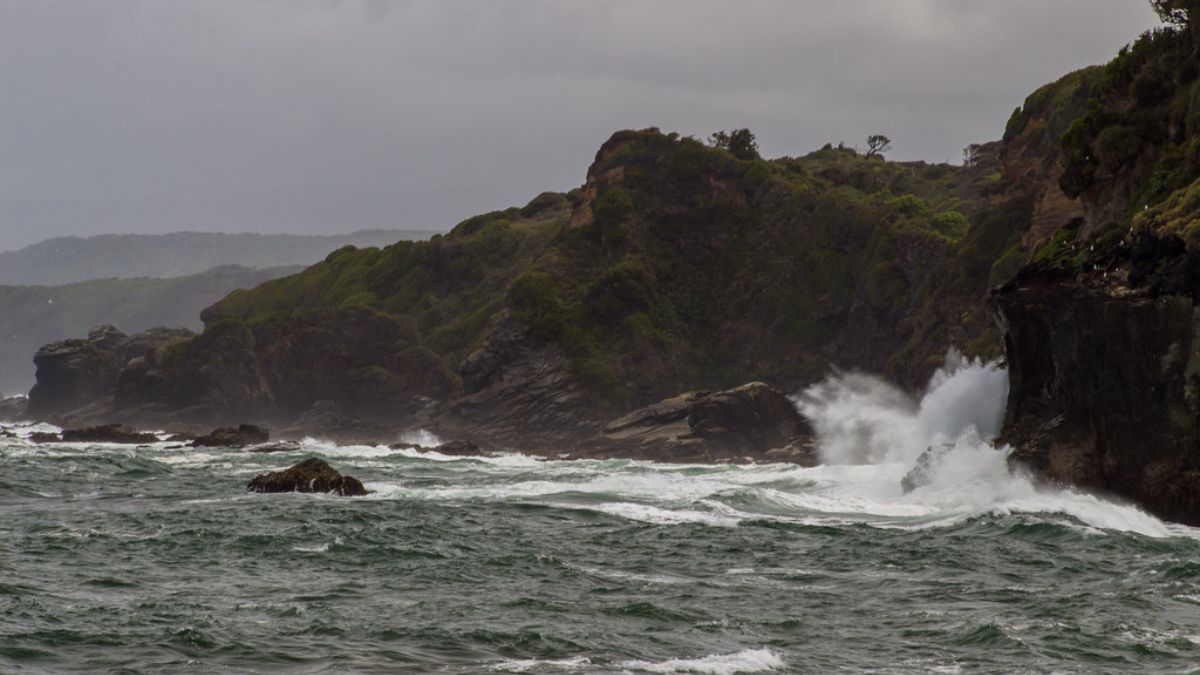
Typhoon Bebinca set to make landfall in Southwestern Japan, prompting widespread alerts
Currently classified as a Category 2 typhoon, Bebinca is expected to intensify as it moves northward, with winds reaching speeds of up to 160 km/h (100 mph).

Stay updated with the latest news and articles about Natural Disaster.
Currently classified as a Category 2 typhoon, Bebinca is expected to intensify as it moves northward, with winds reaching speeds of up to 160 km/h (100 mph).

Typhoon Haiyan, known locally as Yolanda, made landfall in Vietnam after sweeping through the Philippines with unprecedented force. The typhoon brought with it torrential rain, ferocious winds, and flooding, which have devastated large swathes of northern and central Vietnam. Entire communities have been submerged, infrastructure has been severely damaged, and thousands have been displaced. The scale of the destruction has prompted an urgent humanitarian response, with international aid agencies mobilizing to provide relief and support to those affected.
The allocation follows significant disruption from extreme weather events, including heavy rains, flooding, and storm surges, which have caused widespread damage across both provinces.
This new system will use state-of-the-art satellite data and modeling techniques to provide more accurate and timely forecasts of volcanic ash dispersion.
The screenings are viewed as critical by the government, which has underscored the importance of promptly diagnosing and treating any potential health threats.
The committee’s preliminary findings indicate that the floodgate openings at the Supung Dam, operated by both North Korea and China, were mishandled, leading to the sudden swelling of the Yalu River.
According to the Korea Meteorological Administration, the typhoon is forecast to pass over waters southwest of Jeju Island around 9 a.m. before moving northward along the western coast.
More than 18,000 people in Mobara have been told to evacuate, while additional evacuation orders have been enforced in Fukushima Prefecture.
Despite the scale of the disaster, Kim has rejected offers of international aid from countries such as China and Russia, opting instead to emphasize the regime’s principle of self-reliance.
Amid the disaster, reports emerged of North Koreans risking their lives to save portraits of the country’s former leaders, Kim Il Sung and Kim Jong Il, as they fled their inundated homes.
Showing 10 of 13 articles