
Latest Articles

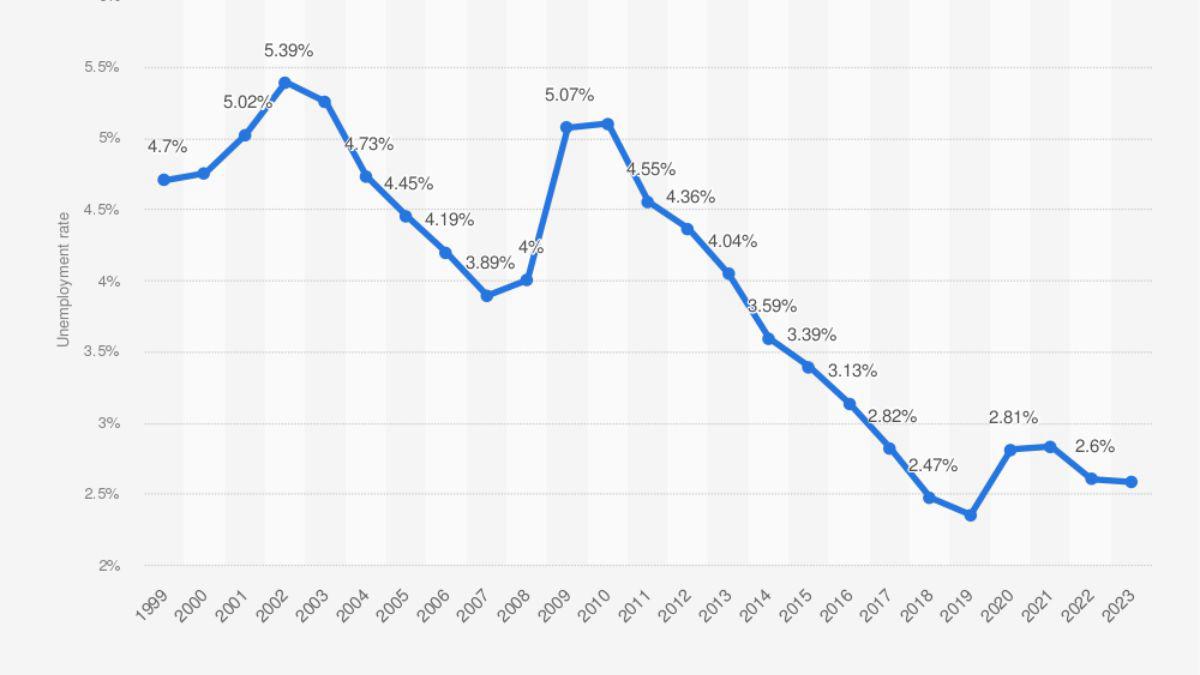
Japan’s employment rate: A snapshot of economic resilience

The employment landscape in Japan is shaped significantly by its aging population, with a growing percentage of the workforce approaching retirement age. This demographic shift poses unique challenges, particularly in maintaining a robust labor pool. To counteract these issues, the government has been actively promoting policies aimed at encouraging higher participation rates among women and older workers. Recent initiatives, such as enhancing childcare support and improving working conditions for seniors, have been introduced to bolster employment rates in these demographics.

blank

Dollar weakens ahead of FOMC meeting amid market uncertainty

The yen maintained its strength against other major currencies, with the euro dropping from 158 yen to 157 yen. Analysts suggest that this uptick in yen buying may represent a strategic position adjustment in anticipation of the FOMC meeting. Market sentiment remains highly focused on the outcomes of the meeting, which could shape future currency movements.

blank

Stocks decline as yen strengthens; bonds rise amid economic uncertainty

On September 16, while the Japanese market was closed, the yen briefly surpassed the 140 yen mark, hitting 139.58 per dollar. This surge was driven by speculation that the Federal Open Market Committee (FOMC) would implement a 50 basis point interest rate cut, double the usual amount. Meanwhile, expectations are that the Bank of Japan (BOJ) may reinforce its stance on monetary easing at its upcoming meeting on September 19-20, should its economic outlook persist.

blank

Nikkei Index drops sharply amid yen strength concerns

The yen’s strength intensified as the US Federal Reserve is anticipated to announce a 0.5% rate cut at the ongoing Federal Open Market Committee (FOMC) meeting. This expected reduction would narrow the interest rate differential between Japan and the US, pushing the yen to a high of 139 per dollar—its strongest level in over a year. Although the yen has recently settled in the high 140s per dollar, the threat of further appreciation remains, prompting heavy selling of export-driven stocks like Toyota. The impact of a stronger yen is feared to erode profitability for exporters, exacerbating market volatility.

blank

Yen hits 1-year high against dollar amid fed rate cut speculation

The yen’s appreciation reflects market expectations that the Fed will reduce rates, potentially narrowing the interest rate differential between Japan and the US. This sentiment is driven by speculation that the Fed might implement a larger-than-expected rate cut. Analysts anticipate that the Fed will ease rates for the first time in over four years, with the prevailing prediction being a standard 0.25% reduction. However, a recent report by the Wall Street Journal on September 12 heightened expectations for a more substantial 0.5% cut, double the usual amount.

blank

Yen strengthens 1% against dollar amid shifts in interest rate expectations

Market sentiment has been shifting as traders anticipate the outcome of the upcoming Federal Open Market Committee (FOMC) meeting, scheduled for September 17th and 18th. There is considerable debate over whether the Federal Reserve will implement a 25 basis point (bp) or a more substantial 50 bp rate cut. Currently, the market is pricing in a rate cut of approximately 34 bp, up from 26 bp on September 11th, reflecting heightened expectations of a more aggressive reduction.

blank

Yen strength stabilizes as markets anticipate policy decisions

During the second week, the yen appreciated amid expectations of a domestic interest rate hike, which led to a decline in Japanese stocks. The Tokyo Stock Price Index (TOPIX) fell by 1% over the week. Market participants are expected to remain cautious in the first half of the third week as they monitor currency fluctuations.

blank

Yen weakens as U.S. rate cut expectations fade

The yen briefly weakened to approximately 143.03 yen per dollar around 4:30 p.m. on the same day. This depreciation occurred against the backdrop of a rebound in the Tokyo stock market, with the Nikkei average rising over 1,200 yen. This uptick in stock prices was fueled by gains in U.S. tech stocks, fostering a risk-on sentiment among investors, which further pressured the yen.

blank

Investor miscalculation: 30% of Bank of Japan interest rate hike predictions prove overestimated

The BoJ, under growing pressure to address inflationary pressures and stimulate economic growth, had earlier implemented a series of interest rate hikes. Many market participants anticipated a continued tightening cycle, expecting the central bank to sustain its aggressive monetary policy stance for an extended period. However, recent indications from the BoJ suggest that the rate hikes might not be as extensive or enduring as previously forecasted.

Showing 10 of 28 articles