
Latest Articles

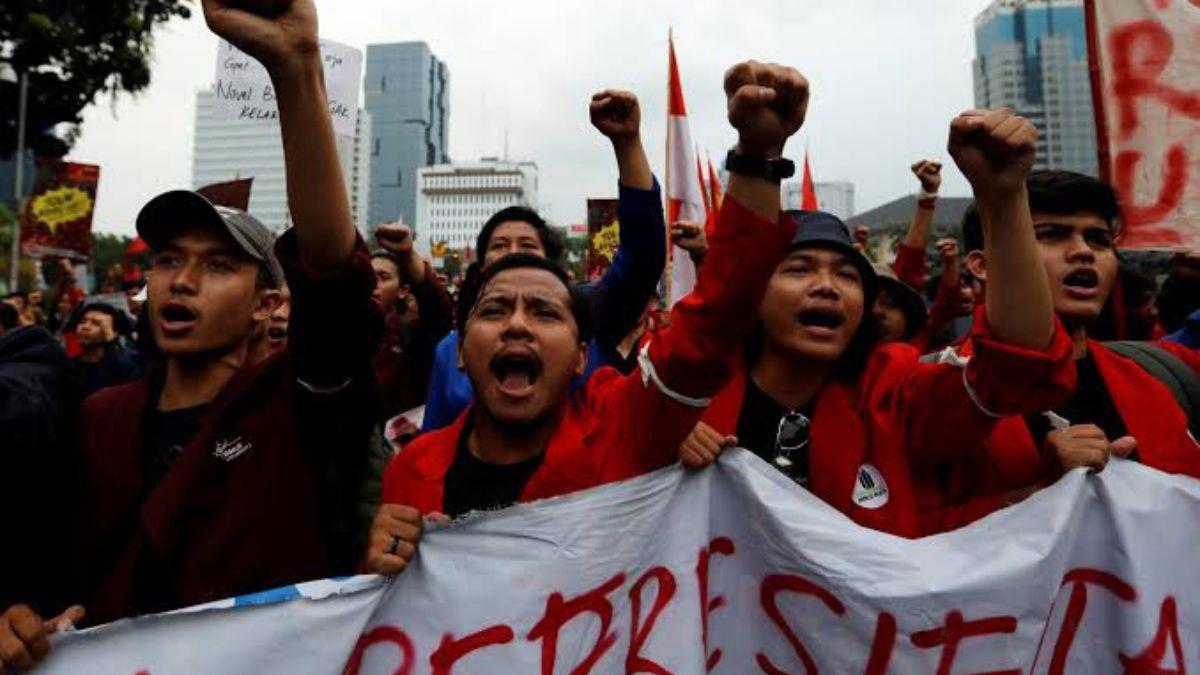
Violence erupts in Jakarta as protests escalate over Indonesia’s Constitutional law reversal

A scheduled vote on the fast-tracked legislation was delayed on Thursday due to insufficient parliamentary attendance. If passed, the legislation would reinstate the previous requirements, which favor the ruling coalition and potentially render many local elections uncontested. Notably, it would prevent prominent government critic Anies Baswedan from running for Jakarta governor and sideline the presidential son, Kaesang Pangarep, from regional elections due to his age.

blank

Jokowi increases bonuses for KPU officials ahead of regional head elections

The bonus increase is seen as a strategic move to motivate KPU officials and enhance their performance during what is expected to be a complex and high-stakes election cycle. By bolstering financial incentives, Jokowi aims to ensure that the commission, responsible for overseeing the integrity and administration of elections, is well-equipped and committed to managing the process effectively.

blank

BKPM requests extended tax breaks for 18 industries: implications for Indonesia’s economic strategy

The BKPM’s request focuses on extending tax breaks that are crucial for stimulating investment in sectors deemed vital for the nation’s economic development. These industries, which span various sectors including manufacturing, technology, and infrastructure, are considered pivotal for driving growth, creating jobs, and enhancing Indonesia’s global competitiveness.

blank

Indonesian auto financing declines 15% in July amid slump in new car sales

The decrease in auto financing reflects broader economic trends impacting consumer confidence and spending. As new car sales falter, financing activities—which are often a key indicator of consumer sentiment and economic health—also show signs of distress. This trend suggests a tightening of household budgets and potentially decreased consumer willingness or ability to make large purchases, such as new vehicles.

blank

Surge in local hotel demand ahead of Independence Day highlights economic resilience in Nusantara

Hotels across Nusantara, the country’s new administrative capital and surrounding areas, are reporting unprecedented occupancy rates as Indonesians prepare to celebrate the nation's 79th Independence Day. The increased demand is attributed to a combination of factors, including a strong sense of national pride, easing pandemic restrictions, and a rebound in leisure and travel activities. Local residents are seizing the opportunity to participate in Independence Day festivities, driving up bookings in the region’s hospitality sector.

blank

Indonesian government commits to boosting marine tourism with support for shipping industry

The shipping industry plays a pivotal role in marine tourism, providing essential links between Indonesia's thousands of islands and facilitating access to some of the country’s most sought-after destinations. Improved shipping services are expected to enhance the overall tourist experience, making it easier and more appealing for visitors to explore Indonesia’s diverse maritime attractions, from pristine beaches to vibrant coral reefs.

blank

Charting the future: strengthening Indonesia-Africa ties amid shifting geopolitical dynamics

The initiative reflects Indonesia’s broader strategy to diversify its international alliances and expand its economic engagements beyond traditional partners. As Africa emerges as a continent of growing strategic importance due to its natural resources, burgeoning markets, and geopolitical significance, Indonesia seeks to capitalize on these opportunities to bolster its global standing and economic prospects

blank

Indonesia faces skilled worker drain as talent flocks to foreign oil and gas projects

According to recent reports, the growing allure of higher salaries and better working conditions offered by international oil and gas companies has led to a noticeable exodus of Indonesia’s skilled workforce. The situation is particularly concerning as these sectors play a crucial role in the nation’s economy, which heavily relies on energy production and infrastructure development.