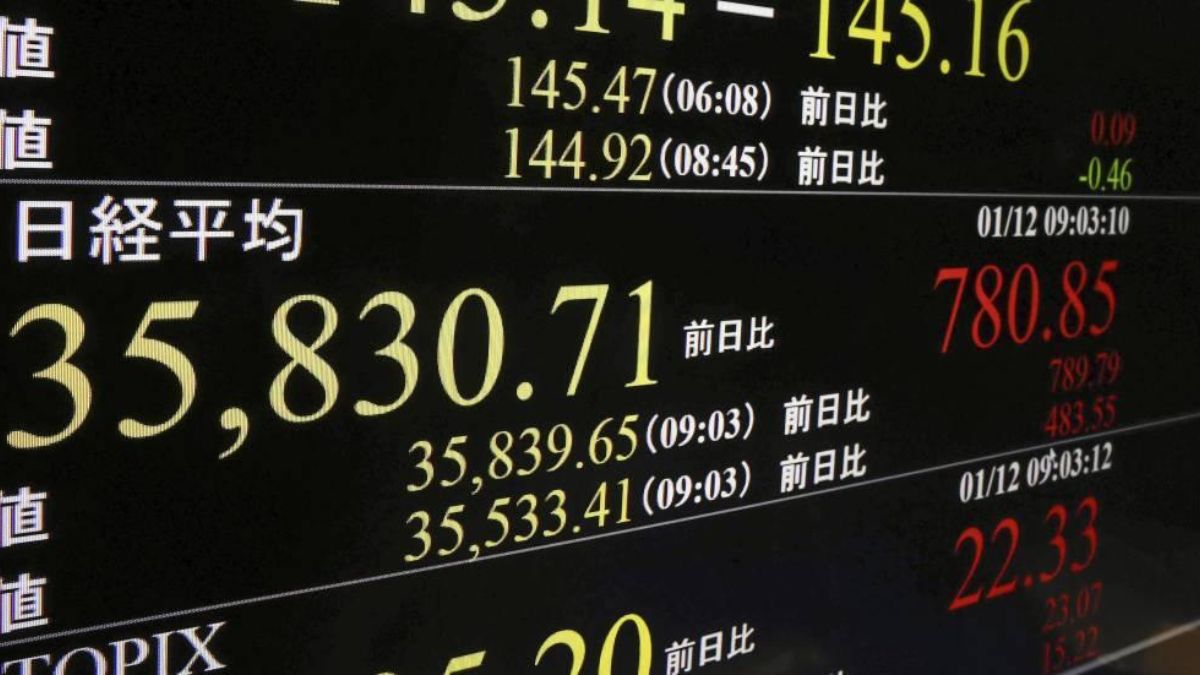
Japan’s Nikkei rises amid softer stance from Bank of Japan chief
The session began with a hawkish tone from Ueda during parliamentary testimony, where he hinted at possible future interest rate hikes if inflation continues to rise.

Stay updated with the latest news and articles about Bank of Japan.
The session began with a hawkish tone from Ueda during parliamentary testimony, where he hinted at possible future interest rate hikes if inflation continues to rise.

Economists believe that Japan's inflation figures are largely driven by external factors, such as the yen's depreciation and high global energy prices, rather than domestic demand.
Ueda's comments were delivered during a session of the Diet, which is currently out of session, to clarify the BOJ’s response to recent market fluctuations. The policy adjustment led to heightened volatility in both the stock and currency markets, with the Nikkei Stock Average witnessing its largest-ever single-day drop, followed by a notable recovery. Concurrently, the yen experienced fluctuations, briefly strengthening to the ¥141 range against the dollar before stabilizing.
The drop below the 2% threshold, a key indicator closely watched by the BOJ, underscores the persistent struggle Japan faces in achieving sustained inflation.
In a recent statement, Ueda emphasized the BOJ’s commitment to maintaining its accommodative stance, which has been instrumental in supporting Japan’s economy.
The Nikkei had experienced a significant 12.4% drop on August 5, 2024, the largest single-day decline since the 1987 Black Monday crash.
Market analysts attribute the rally to a combination of factors, chief among them the prospect of the yen stabilizing after weeks of rapid gains against the U.S. dollar.
Sumitomo Mitsui Financial Group (SMFG) remains an appealing investment despite recent market volatility, with potential upside from rate increases and strategic equity sales. The bank's strong profit growth and improved return on equity make it a contender to watch as Japanese financial markets recover.
Historical patterns suggest that after periods of yen-buying interventions, the BOJ has occasionally turned to yen-selling interventions to counteract excessive appreciation. Nomura, Japan’s largest brokerage, recently highlighted this possibility, noting that while it isn’t yet their primary scenario, future Ministry of Finance (MOF) interventions to curb yen strength could be on the table.
The Bank of Japan (BOJ) is adjusting its monetary policy in response to these fiscal pressures. The central bank has embarked on an interest rate hike cycle and plans to reduce its purchasing of government bonds, part of its extensive monetary stimulus program initiated over the past decade. This shift is aimed at achieving a 2 percent inflation target but is expected to lead to higher borrowing costs for households and businesses, as well as increased debt-servicing expenses for the government
Showing 20 of 41 articles