

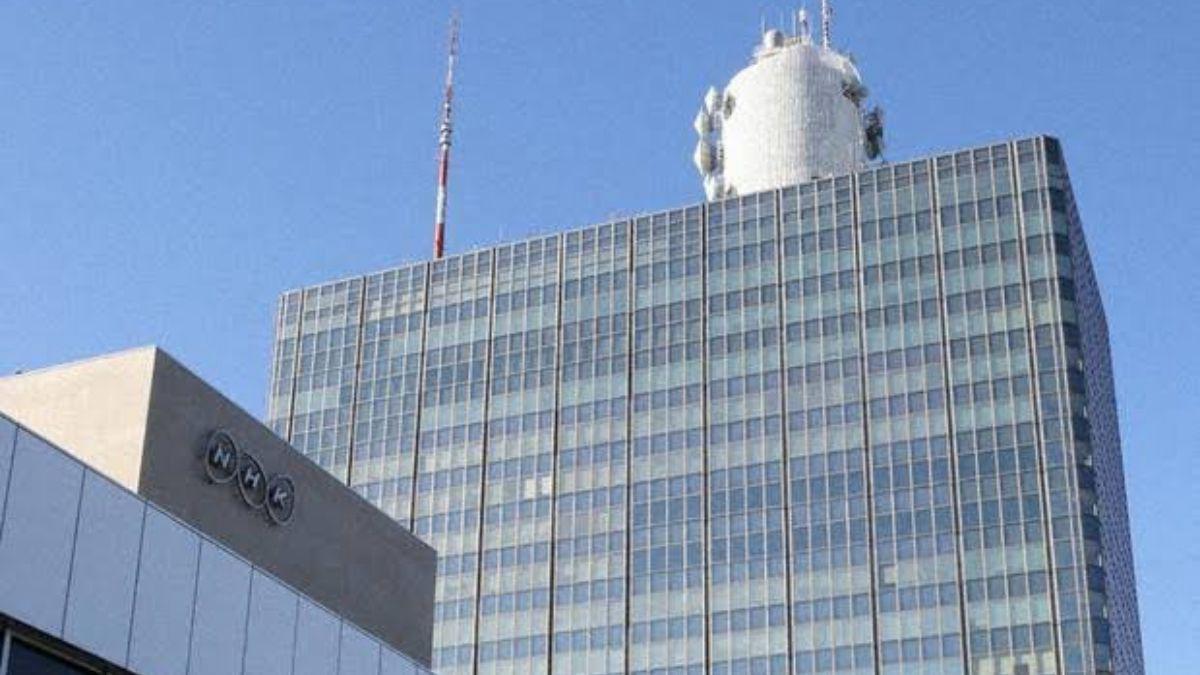
NHK Chairman Hiroshi Yoshioka has voluntarily decided to return a portion of his salary following a scandal involving the broadcaster’s international radio services. This decision comes as a response to mounting criticism and a growing outcry over the handling of the scandal, which has raised significant concerns about NHK’s management and operational oversight.
The controversy centers around allegations of misconduct and mismanagement related to NHK’s international radio broadcasting operations. Reports have surfaced accusing the organization of failing to adhere to established protocols, leading to a series of operational lapses and credibility issues on the international stage. The scandal has not only tainted NHK’s reputation but has also prompted calls for accountability within the organization.
In a separate but related development, NHK’s Executive Director responsible for international broadcasting, Akira Yamamoto, has announced his resignation. Yamamoto’s departure underscores the seriousness of the scandal and the need for a thorough reassessment of the broadcaster’s international operations. His resignation marks a significant shift in leadership, reflecting the pressure on NHK to address the fallout and restore trust among its stakeholders and the public.
The decision by Chairman Yoshioka to return his salary is seen as a symbolic gesture aimed at demonstrating accountability and responsibility. While it does not directly address the core issues raised by the scandal, it serves as a preliminary step in NHK’s efforts to navigate the crisis and begin the process of rebuilding its image. The broadcaster has pledged to conduct a comprehensive internal review to rectify the issues and prevent future occurrences of similar missteps.
The scandal has ignited a broader discussion about governance and transparency within public broadcasting institutions. As NHK grapples with the repercussions of this controversy, the focus will inevitably shift to the measures being taken to address the underlying problems and restore public confidence in its operations.
The unfolding situation serves as a stark reminder of the challenges faced by public broadcasters in maintaining operational integrity and public trust. NHK’s response to the scandal will be closely watched as it seeks to mitigate the damage and implement reforms to safeguard its future.