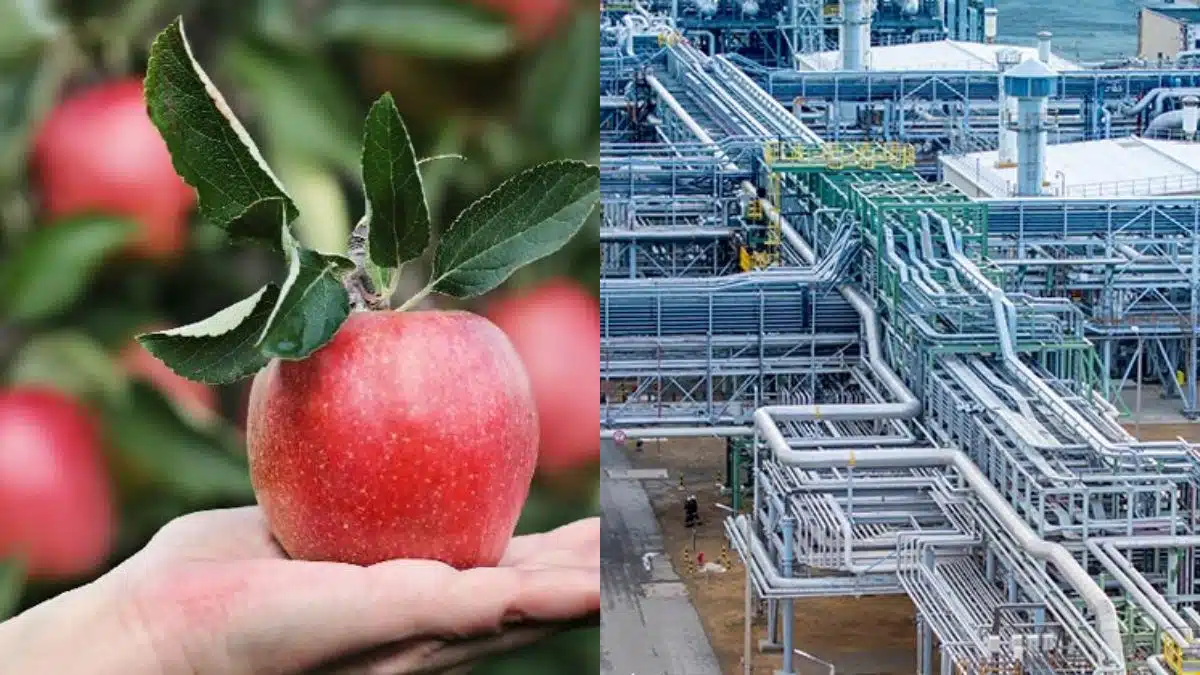
Agriculture: Kazakhstan thrives as an agricultural powerhouse, particularly in wheat production, ranking 14th globally. With approximately 1.41 million people engaged in agriculture, the country promotes the sector through various agribusiness schemes. Notably, Almaty apples, recognized globally, contribute to significant exports across Asian markets. This sector’s resilience lies in sustainable crop practices and strategic government support, making it a cornerstone of the nation’s economy.
Retail & Wholesale Trade Sector: Boasting rapid growth, the retail and wholesale trade sector in Kazakhstan employs around 1.35 million people. From Convenience Stores and Hypermarkets to Traditional Grocery Retailers, the workforce contributes to the flourishing trade of both food and non-food items, reflecting the dynamism of the industry. A surge in trade, including non-food items, reflects consumer vibrancy. This growth is propelled by the sector’s adaptability to evolving market trends.
Manufacturing Sector: As the third-largest employer in the country with 1.1 million workers, Kazakhstan’s manufacturing sector is pivotal for economic growth. Prime Minister Alikhan Smailov’s ambitious plans include launching 170 projects spanning the food industry, construction, machine building, and metallurgy, further propelling the nation’s industrial prowess. The sector’s contribution to the economy is underscored by key players in oil refining and mining.
Education: High demand for teaching positions underscores Kazakhstan’s focus on education. The centralized education sector emphasizes the development of quick, critical skills. The integration of cyber technology during the pandemic received acclaim, with opportunities arising in training services for management soft skills, English language proficiency, and technical expertise, particularly in the oil and banking sectors.
Construction: Valued at $20.8 billion in 2022, Kazakhstan’s construction market anticipates over 5% growth from 2024 to 2027. Fueled by government investments in infrastructure, residential, and renewable energy projects, the construction sector employs 620 thousand individuals. Hilti and Saint Gobain are prominent players contributing to the sector’s dynamism. Notably, men constitute 17% of the workforce in agriculture, while women, at 16%, predominantly contribute to the trade sector.