

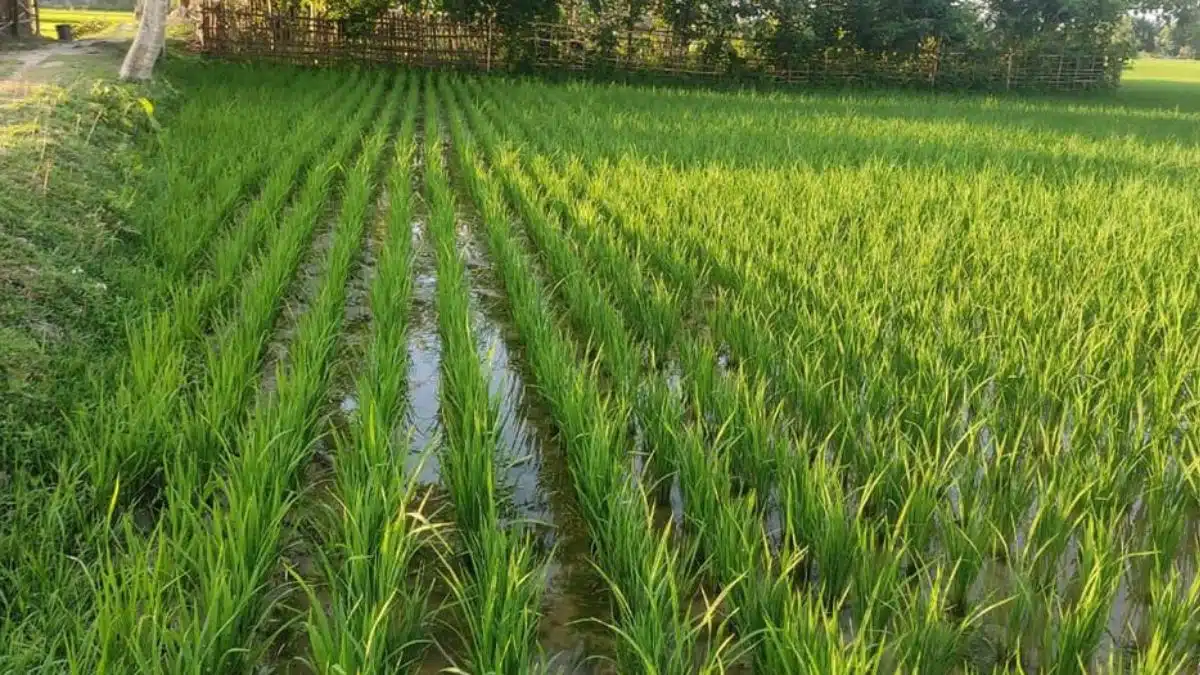
Paddy transplantation in Kanakhá has resumed following the allocation of new irrigation water resources, marking a significant boost for local agriculture. This development comes as a relief to farmers in the region, who have faced challenges due to water shortages affecting their planting schedules.
The resumption of paddy transplantation was made possible by the recent enhancement of the local irrigation infrastructure. The new water supply, directed to the Kanakhá area, addresses the previous deficit that hindered agricultural activities. This improvement is expected to stabilize crop production and support the livelihoods of numerous farmers who depend on paddy cultivation.
The irrigation project, which includes the construction of new canals and the upgrading of existing systems, aims to provide a more reliable and consistent water supply for the region. Local authorities and agricultural officials have been actively involved in implementing these measures to ensure that water distribution is efficient and meets the needs of the farming community.
The introduction of additional water resources is timely, as the paddy planting season is crucial for ensuring a successful harvest. With the availability of adequate irrigation, farmers are now able to proceed with their planting activities without the previous constraints, which were exacerbated by seasonal water shortages.
The new irrigation system is anticipated to support existing agricultural endeavours while also improving the general productivity and sustainability of farming methods in Kanakhá. Improvements in water management are anticipated to reduce the risk of crop failure and contribute to better yield outcomes.
The local agricultural sector has welcomed this development, viewing it as a vital step towards achieving greater food security and economic stability in the region. The resumption of paddy transplantation not only benefits individual farmers but also has broader implications for the local economy and food supply chain.
As the new irrigation system continues to support agricultural activities, authorities will monitor its effectiveness and make necessary adjustments to ensure optimal performance. The successful implementation of this project highlights the importance of investing in infrastructure to support and sustain agricultural productivity.